Ag Spray Drones Get Reshuffled: FCC Ban, EU Reopening, and the Global Fleet Reset
Two regulatory shocks are pulling ag-drone markets in opposite directions: the US closes to Chinese sprayers while the EU opens carve-outs. Map the operator, agronomy and OEM consequences.
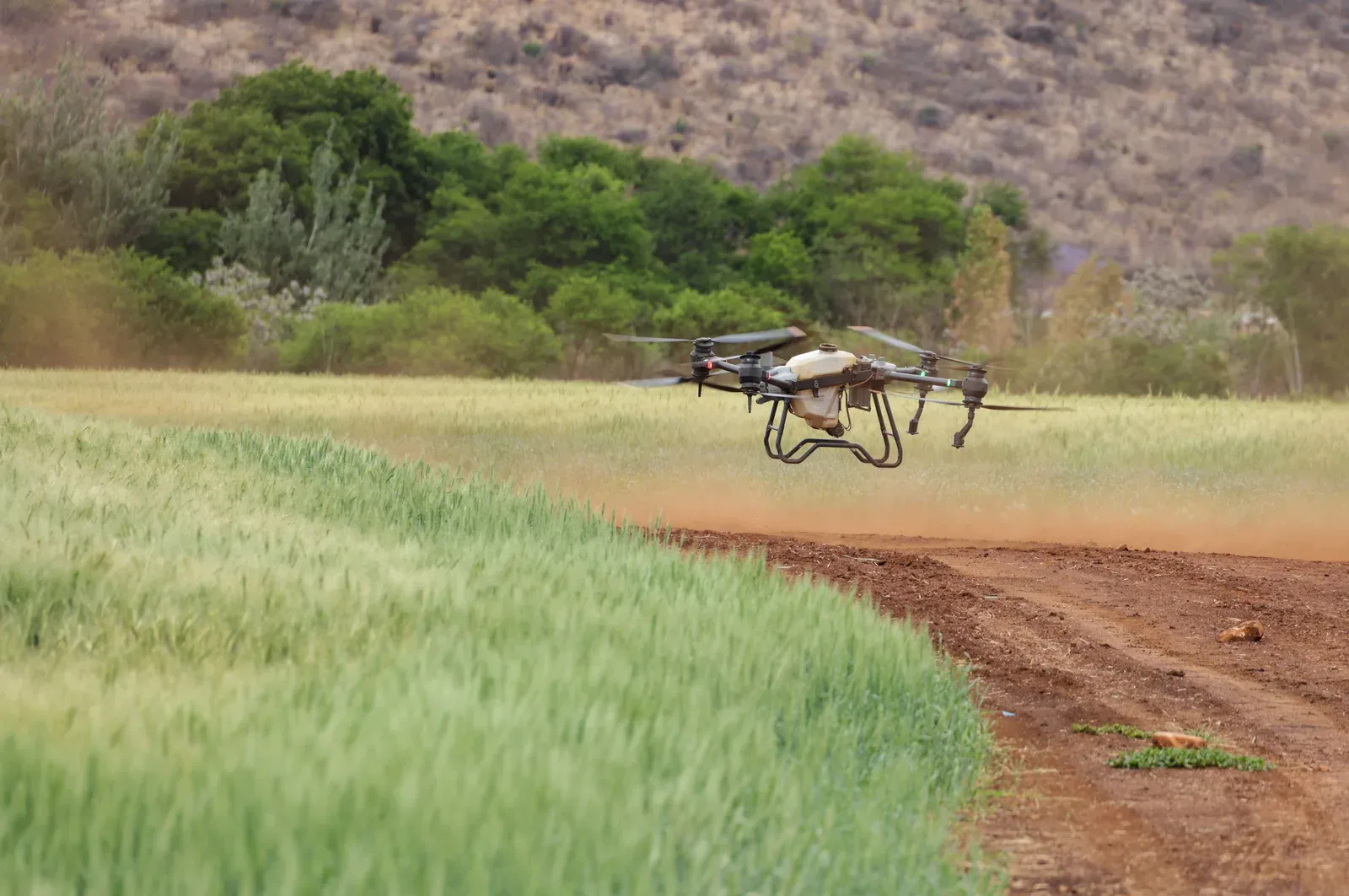
On November 12, 2024, the FCC's Covered List quietly included DJI and Autel. Three months later, the EU released a draft act. This act allows professional aerial use. It separates this from general machinery rules. These were two big events. They moved in opposite directions. The global fleet of agricultural spray drones is changing fast. Experts estimate 500,000 units exist today. This is based on 2024 shipments from XAG and DJI. No one at last year's Agritechnica saw these changes coming.
Operators have one main question. What should I fly next season? Which rules apply? This article answers these questions. It helps pilots in Iowa and cooperatives in Andalucía. It also helps manufacturers. These groups manage markets on two continents. We will look at the rules, the costs, and the technology of agricultural spray drones.
What are agricultural spray drones? Why do regulators care?
Agricultural spray drones are multirotor UAVs. They usually weigh 40 to 70 kg. These drones have tanks that hold 10 to 50 liters. They use special nozzles to spray liquids. Flight controllers use RTK to fly set paths. They fly 2 to 4 meters above crops. Their speed is 4 to 7 meters per second. They apply pesticides, fungicides, and fertilizers. Application rates are 5 to 30 liters per hectare. Top models in 2025 include the DJI Agras T50, XAG P150, and Hylio AG-272. These are all examples of advanced agricultural spray drones.
Why is there more focus on these agricultural spray drones? There are two reasons. First, many more people use them now. Brazil's ANAC registered over 5,000 sprayer UAVs by late 2024. This is a big jump from 900 in 2021. Second, old rules do not fit these drones. Old rules were for planes and backpack sprayers. Issues like drift and cybersecurity are new. This makes new regulations for agricultural spray drones necessary. Regulators want to ensure safety. They also want to protect data and the environment.
The FCC ban: Impact on US operators
The FCC action does not stop existing DJI drones from flying. But it stops new approvals for this equipment. This means future models will not have an FCC ID. This affects sales, warranty, and software updates. It creates a lot of uncertainty for the agricultural spray drones industry.
There are also FAA rules and state bans in Florida and Arkansas. This creates a strange market. An agricultural spray drone bought in late 2024 still flies well. But a new model for 2026 may never reach US stores. Operators in some areas are buying many spare parts now. This is a smart move. They want to keep their fleets of agricultural spray drones running as long as possible.
US companies like Hylio and Guardian Agriculture might benefit. But Hylio's AG-272 costs about $69,000. A DJI T50 kit is only $22,000. This price gap is very important. US companies cannot yet match Chinese prices for agricultural spray drones. This makes it hard for small farms to switch. They need affordable tools to stay competitive.
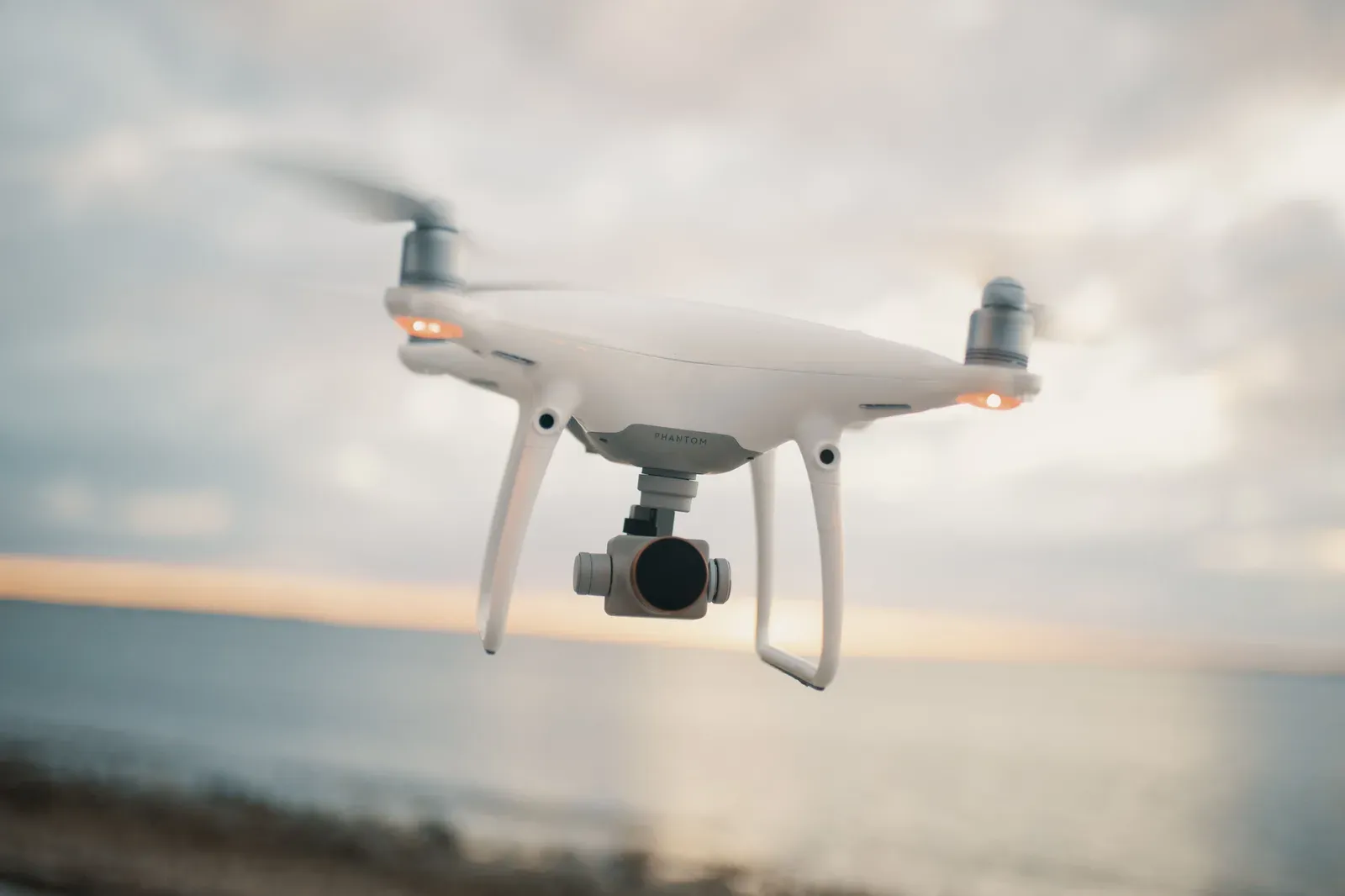
Foto: Josh Sorenson
Checklist for US operators of agricultural spray drones
•Check your agricultural spray drone's FCC IDs and software before 2026. Make sure everything is legal.
•Buy spare parts now. Some dealer networks are getting smaller. You do not want to wait for a part during the busy season.
•Check your Part 137 certificate. Remote ID rules are mandatory. Do not skip this step.
•Look at the cost of switching to US brands. It makes sense if you spray many acres. Calculate your return on investment carefully for your agricultural spray drones.
New EU rules for agricultural spray drones
Europe once banned aerial spraying. For fifteen years, no drones could be used. Rules did not see the difference between a small drone and a large plane. Now, a new draft rule in Brussels offers an exception. It is for drones that meet safety and precision standards. This opens the door for agricultural spray drones in Europe. It is a major shift in policy.
Countries like Spain and Italy have already done tests. These tests were in vineyards on steep hills. In these areas, ground machines are dangerous. They can tip over and hurt workers. Tests in the Douro Valley showed good results. Agricultural spray drones reduced drift by 40% to 60%. This data is helping to change the rules. It shows that agricultural spray drones are safer and better for the environment.
The EU will likely not allow all drones at once. Rules will be for specific crops and hills. This is good. Agricultural spray drones work best in vineyards and orchards. For flat fields, ground machines are still cheaper. They can cover more area in less time. But for specialized work, agricultural spray drones are the winners.
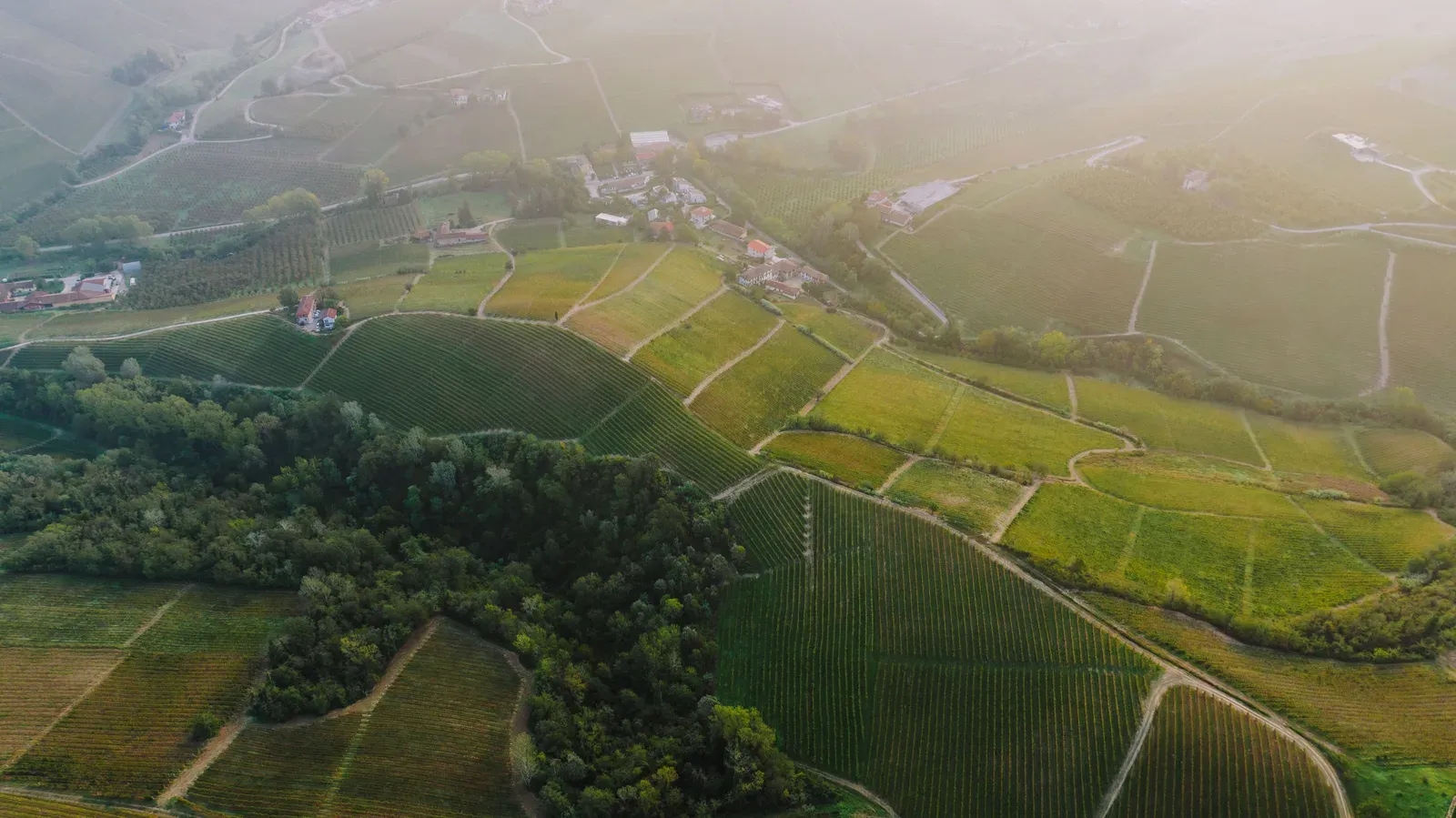
Foto: K
Effects on manufacturers of agricultural spray drones
Media often misses a key point. DJI and XAG might lose the US market. But the US was never their biggest market. China, Brazil, and Southeast Asia are much larger. New sales in Europe will likely replace what they lose in the US. They are looking for growth in new places for their agricultural spray drones.
The real losers are US manufacturers who expected a closed market. They have a market, but it is small and price-sensitive. Most buyers will not pay $70,000. Hylio needs a $40,000 machine to compete. Guardian also faces this challenge. They must find ways to lower their costs. This might mean using different materials or new designs for their agricultural spray drones.
Brazil's market is still open for Chinese drones. Cooperatives there are buying many units. Companies in Brazil rebrand and set up these drones. This model works because FCC rules do not apply there. Brazil is becoming a hub for agricultural spray drone innovation. They have the space and the need for this technology.
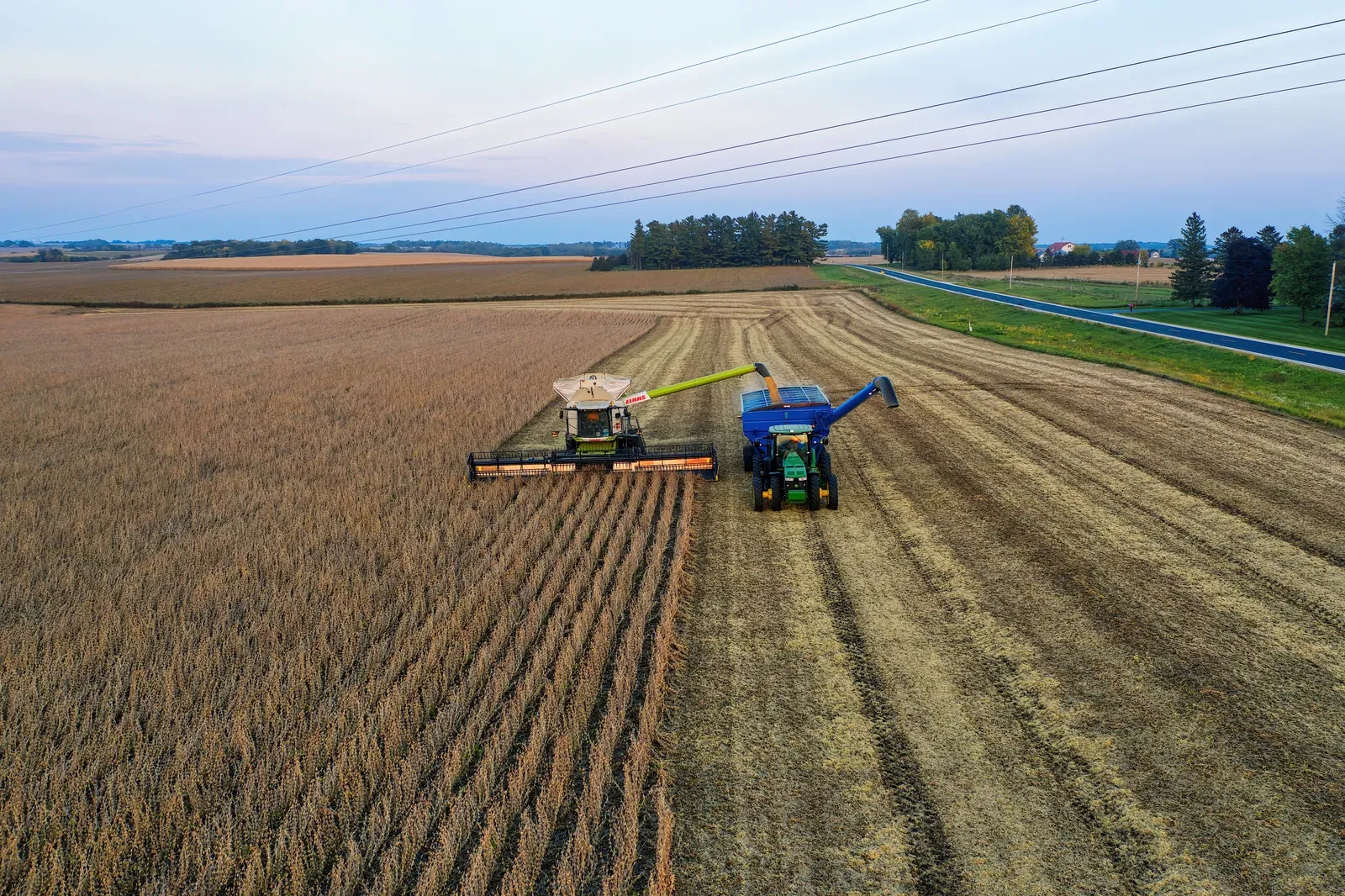
Foto: Tom Fisk
The role of agronomy with agricultural spray drones
Agronomy stays the same despite new rules. Agricultural spray drones are best for spot work. They are good for late-season work when ground machines might damage crops. They are also good for variable-rate spraying. This means applying the right amount of chemical in the right place. It saves money and protects the soil.
Agricultural spray drones are not as good for high-volume work on flat fields. This is due to tank size and costs. A large ground sprayer can carry much more liquid. It can also spray a wider path. Drones have to land and refill often. This takes time.
Some operators bought drones expecting them to replace large sprayers. Many of them sold their drones after two years. They realized agricultural spray drones were not a direct replacement. But operators who use drones to reach hard areas are happy. They are now on their third or fourth agricultural spray drone. They use drones as a complement to their other tools.
Future trends in agricultural spray drone technology
What will the next five years look like for agricultural spray drones? We expect to see larger drones. Some might carry 100 liters or more. We will also see better battery technology. This will allow agricultural spray drones to fly longer. Automation will also improve. Drones will be able to fly in swarms. One operator will manage several agricultural spray drones at once.
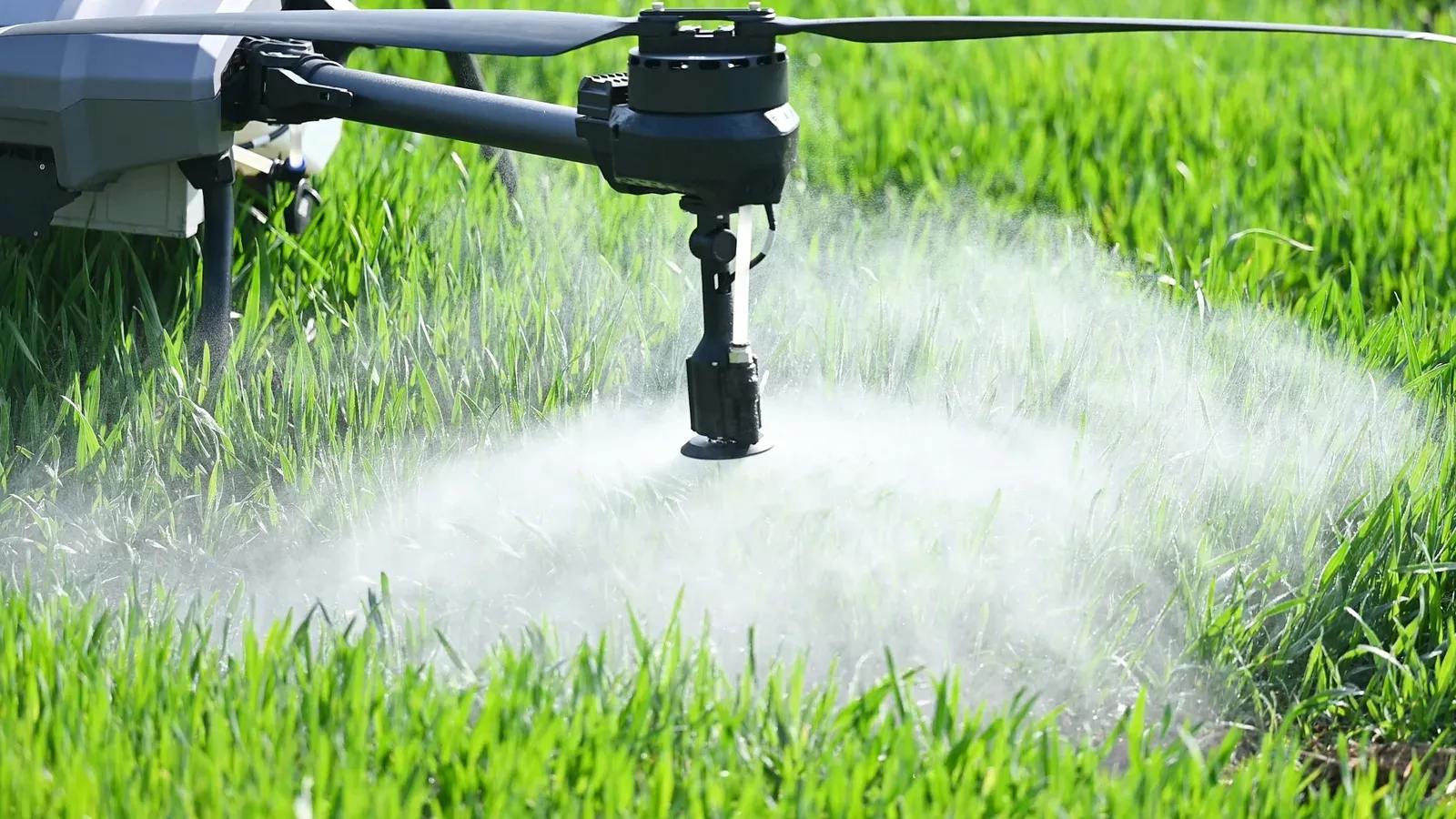
Foto: DRONE EFT
AI will also play a big role. Agricultural spray drones will use sensors to detect pests in real-time. They will only spray where it is needed. This will reduce chemical use even more. It is a very exciting time for the agricultural spray drone industry.
Key takeaways for 2026 regarding agricultural spray drones
•The FCC action is about sales and software. Plan for a slow fleet change. Do not panic and sell everything.
•EU rules will come crop by crop. Vineyards will be first. Watch the news from Brussels closely.
•US companies must lower their prices to gain market share. This is the only way to compete with global brands.
•Brazil is the top market for new ideas. It has many fields and open rules. If you want to see the future, look at Brazil.
•If you buy an agricultural spray drone soon, buy it for the job you have now. Do not guess what the rules will be. Rules change, but physics does not. A 40-liter tank will always have its limits.
In conclusion, the world of agricultural spray drones is in flux. Rules are changing in the US and Europe. Markets are shifting to South America and Asia. But the core value of the technology remains. Agricultural spray drones provide precision and safety. They help farmers manage their crops better. As the industry matures, we will see even more benefits. Stay informed and stay flexible. The future of farming is in the air. This is the future of farming with agricultural spray drones.
Continue Reading
Brazil's RBAC-E 94 Rewrite
Learn how ANAC's upcoming drone regulations could affect operators, BVLOS flights, and Remote ID requirements.
Part 108 in Limbo
See how delays to the FAA's BVLOS framework could influence drone regulations and commercial operations worldwide.