Inside the iFood-Speedbird Drone Delivery Route: How Brazil's Alphaville Corridor Actually Works
An operational look at Brazil's most-watched drone delivery route: payload, flight envelope, human courier integration, and what ANAC demanded before urban flights got the green light.
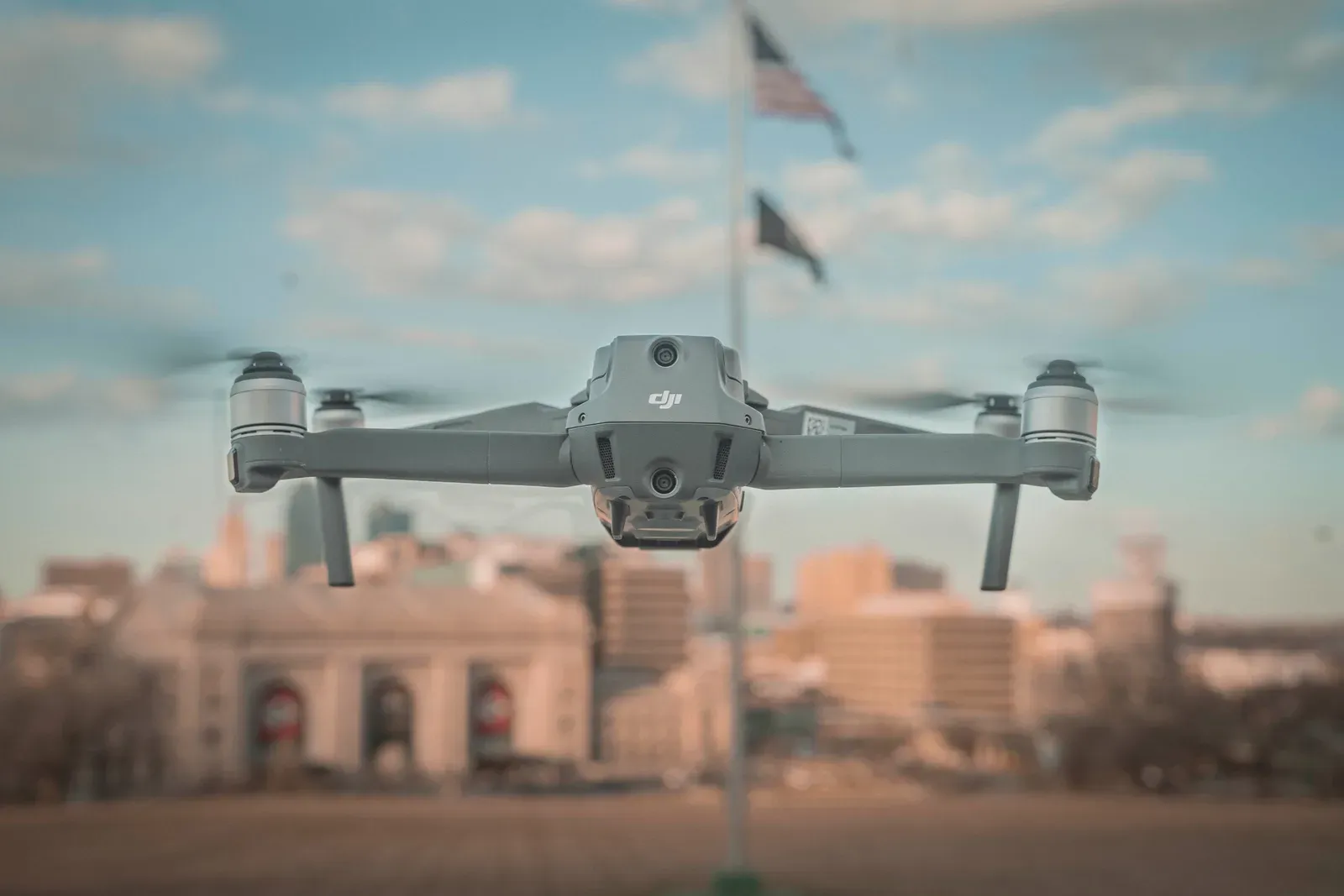
On the ground, iFood drone delivery runs as a multimodal system. The order leaves the restaurant with a bike or motorcycle courier who carries it to the droneport — the takeoff base. From there, the drone flies autonomously to a landing pad on the other side of the urban stretch. A second courier picks up the package and finishes the trip to the customer. The drone never lands on anyone's balcony. It touches down at a fixed, certified base. So the automation covers the middle of the journey, not the ends.
That distinction is tedious but it matters. A lot of the public still pictures a drone descending onto an apartment balcony. It doesn't. This is an aerial middle-mile that replaces the slowest slice of the road trip.
Payload, Flight Envelope, and the Aircraft on the Route
The certified aircraft for the route is the DLV-2, Speedbird Aero's in-house design — an electric multirotor with a tightly defined operating envelope. The numbers the company has confirmed publicly, including in its DroneShow 2024 presentations:
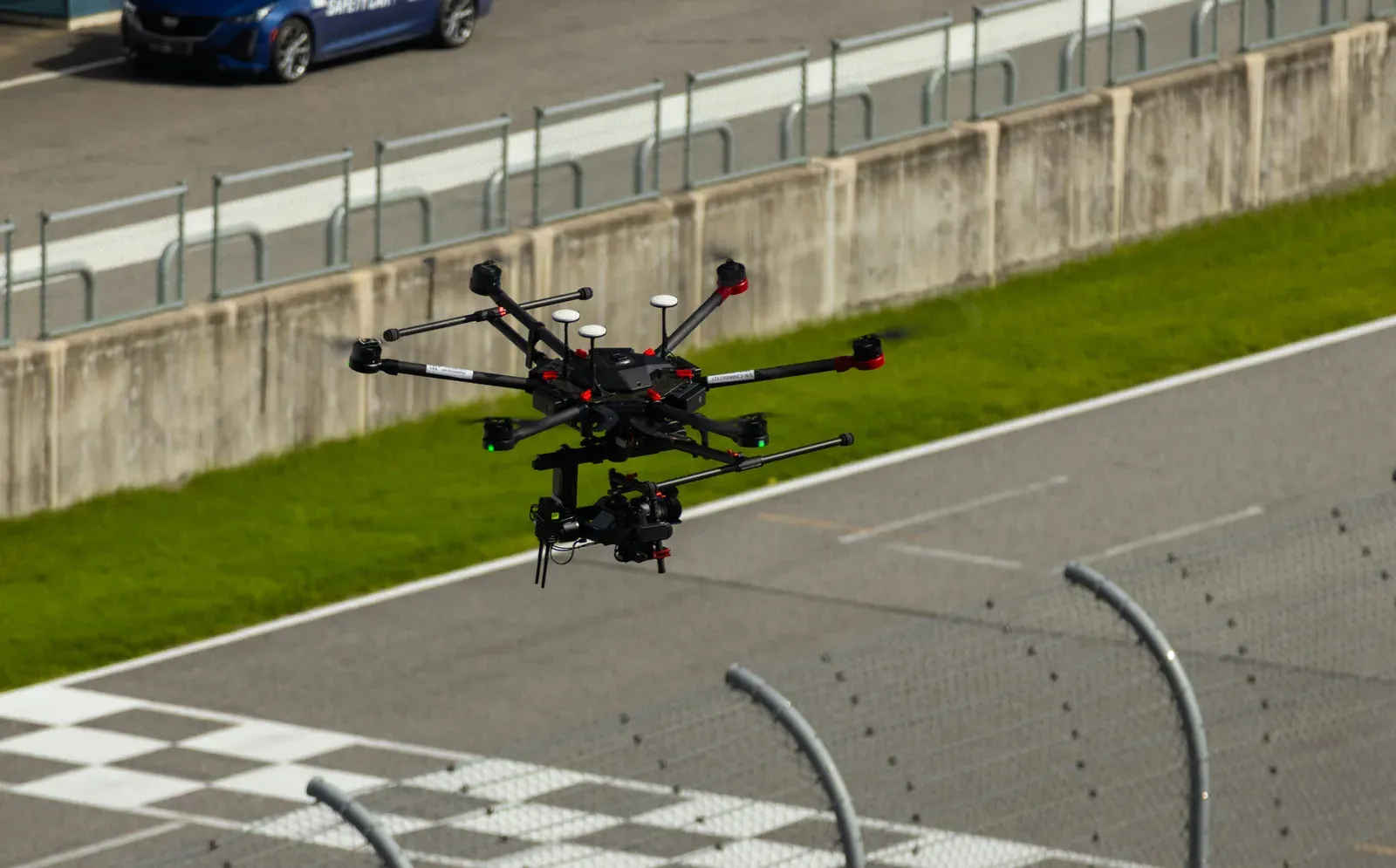
- Maximum payload: 2.5 kg (in practice, it flies with 2 kg for margin)
- Operating range: up to 3 km per leg, with reserve battery for return
- Typical cruise altitude: 60 to 120 meters AGL
- Cruise speed: ~60 km/h
- Battery swap time at the droneport: under 2 minutes
The envelope is deliberately modest. Nobody is trying to cross São Paulo's Marginal Tietê at 400 meters carrying two kilos of sushi. And that restraint is exactly what helped unlock the conversation with the regulator.
What ANAC Required Before Approving Urban Flight
Approval didn't come easily or quickly. Before securing the CAVE (Experimental Flight Authorization Certificate) for the Alphaville route in real urban conditions, Speedbird had been operating in controlled environments shopping malls and gated communities since 2020. The process involved ANAC (Brazil's civil aviation authority), DECEA (airspace control), and ANATEL (radio link and telemetry oversight).
The points the regulator pushed hardest on, based on public process documents and comments from Speedbird CEO Manuel Coelho at industry panels:
- A complete SORA (Specific Operations Risk Assessment) — the framework ANAC uses to evaluate operational risk for this kind of application, covering ground and air risks and defining mitigation measures.
- A pre-defined, geofenced air corridor that avoids overflying crowds and heavy traffic — the path deliberately steers clear of the Castello Branco highway.
- An onboard ballistic parachute system, autonomously triggered in case of propulsion failure.
- Redundant command links (4G cellular plus dedicated radio) and visual observers at critical points during the first operational cycles.
- Landings only at dedicated, fenced bases with access control — no public-area drops.

Honestly, Brazil's model is more permissive than the equivalent EASA specific-category framework in Europe, and more paperwork-heavy than the US FAA Part 135 pathway for commercial BVLOS. It sits in a middle ground that, ironically, is working.
Human Courier Integration: The Most Underrated Piece
Here's the part almost nobody covers. The drone doesn't replace the courier — it changes the job. In the iFood-Speedbird model, the courier who brings the package to the droneport is paid per short run (typically 500 m to 1.5 km), with much faster turnover. Same story on the other side. In practice, a single courier can knock out four or five short runs in the time it would take to cross from Alphaville to Aldeia da Serra once.
That's pitched as a win for the courier. It depends. Short runs pay less per unit, and the math only works if the volume is consistent — which, at peak hours, it is. Off-peak, less so. The model is still being calibrated.
On the restaurant side, integration runs through iFood's API, the same stack as any regular order. The algorithm decides whether a trip goes by drone or by motorcycle based on aircraft availability, weather (winds above 40 km/h or heavy rain cancel the flight), and the SLA promised to the customer.
The Numbers That Matter — and the Ones They Don't Publish
In the Sergipe operation, iFood says more than 5,000 orders have been completed since launch. In 2026, the company expanded the model to Barueri, in Greater São Paulo, with a new 3.6-kilometer aerial route between the Shopping Iguatemi Alphaville and a droneport installed inside a residential condominium.
Speedbird also runs routes for Coca-Cola FEMSA in Aracaju and hospital missions in the interior of São Paulo, moving lab samples. Still, some numbers never show up in the press releases: unit cost per flight, cancellation rates due to weather (especially relevant in metropolitan São Paulo between November and March), and the payback horizon on droneport infrastructure.
My guess, based on off-the-record conversations across the industry: the operation doesn't yet close positive on pure unit economics. It closes as an investment in the regulatory learning curve and brand — which, for iFood heading into another cycle of logistics-efficiency debate, has real value. Not charity. But not operational profit either.
What to Watch Over the Next 12 Months
Brazilian drone regulation entered a new phase in 2026 with ANAC's RBAC 100, which replaces the older weight-based logic with an approach proportional to operational risk. For BVLOS operations, the new framework sets specific requirements for risk assessment, design authorization, and operating conditions.
Final Thoughts on iFood Drone Delivery
The Alphaville route is not the future of every urban delivery in Brazil. It's the present of a very specific niche: 2- to 5-km stretches with physical barriers — highways, rivers, hills — that punish ground transport. Outside that profile, the motorcycle is still unbeatable on cost.
Anyone expecting drones to be dropping pizzas in São Paulo's Itaim neighborhood in 2026 is going to be disappointed. Anyone watching the route as a regulatory laboratory — which is how it should be watched — will understand why Speedbird and iFood keep pushing this case even without clear profit. It's positioning. And underneath, a bet that when BVLOS regulation finally opens up, whoever has already flown 5,000 times will start ahead of whoever has only flown on a slide deck.