Counter-Drone Is Now a Military Discipline: What Ukraine Taught the World in 2025
Western coverage fixates on strike headlines, but the real story is Ukraine's layered C-UAS doctrine — acoustic sensors, electronic warfare, FPV interceptors — now being studied by NATO and Israel.

Ukraine's counter-drone doctrine has become a key reference point for anyone trying to understand how modern militaries are coping with the flood of unmanned aircraft on the battlefield. What Kyiv has built is not a single gadget but a stack several layers of defense working together. And that distinction matters. The Ukrainian experience is not a plug-and-play export model, nor does it prove that cheap sensors and improvised interceptors can replace conventional air defense. The real lesson runs deeper: counter-drone work has to be integrated, adaptive, and organized in layers.
What Ukraine's Counter-Drone Doctrine Actually Looks Like
The term doesn't describe one piece of equipment or a single procedure. It refers to an architecture combining detection, identification, command and control, electronic warfare, kinetic interception, and conventional air defense. Studies from the Royal United Services Institute (RUSI) have been blunt on this point: no single technique works on its own against the range of drones now in use.
That conclusion matters because a lot of the public debate takes isolated episodes and turns them into supposed universal formulas. In reality, an acoustic sensor can help spot a low-flying drone, but it also struggles with ambient noise, terrain, weather, and false positives. Electronic warfare can jam certain data links or GNSS systems, but it doesn't neutralize every threat. The right response depends on the target, the environment, and the level of protection required.

Foto: Fernando Narvaez / Pexels
Acoustic Sensors: The Distributed Ear
Ukraine has built out networks of acoustic sensors to help detect low-flying drones and cruise missiles. It is one of the most talked-about layers of the doctrine. The network known as Sky Fortress was described by Defense One, drawing on remarks from General James Hecker, then commander of U.S. Air Forces in Europe and Africa. According to that account, distributed sensors feed data to mobile defense teams.
UNITED24 Media has also documented the evolution of Ukrainian acoustic systems, including early improvisations using repurposed phones and off-the-shelf components before dedicated hardware appeared. These sources confirm the approach exists and matters operationally — but they don't justify treating every figure circulating in secondary reporting as gospel. Sensor counts, coverage, and performance vary by period, region, and the type of attack under way.
The value of this layer is complementarity. Acoustic sensors extend situational awareness without emitting the kind of signals an active radar broadcasts. Even so, their data has to be fused with radar, electro-optical sensors, and command systems. RUSI itself recommends a mix of active and passive sensors rather than reliance on any one technology.
Interceptors and Electronic Warfare: What Is Actually Verifiable

Foto: Carlos Santos / Pexels
Interceptor drones increasingly dominate the C-UAS conversation. But claims about kill rates, cost-per-shootdown, and effectiveness against specific models typically come from briefings, manufacturers, or sources close to the fighting. Without independent data series, those numbers should be treated as indicative — not as consolidated metrics.
Electronic warfare is essential too, and it is anything but static. Navigation systems, command links, and anti-jam techniques evolve constantly. That creates a race of adaptation: a countermeasure that works against one configuration can lose its edge the moment the opponent tweaks firmware, changes the RF link, or adjusts the mission profile. Ukraine's doctrine cannot be reduced to "jam the signal" or "shoot down the cheap drone."
Interceptors exist to complement the other layers. They help when a target is hard to engage with conventional means, or when defenders need to conserve longer-range munitions for more dangerous threats. But they still require reliable sensors, airspace coordination, safety rules, and mechanisms to prevent fratricide.
What NATO Is Really Learning
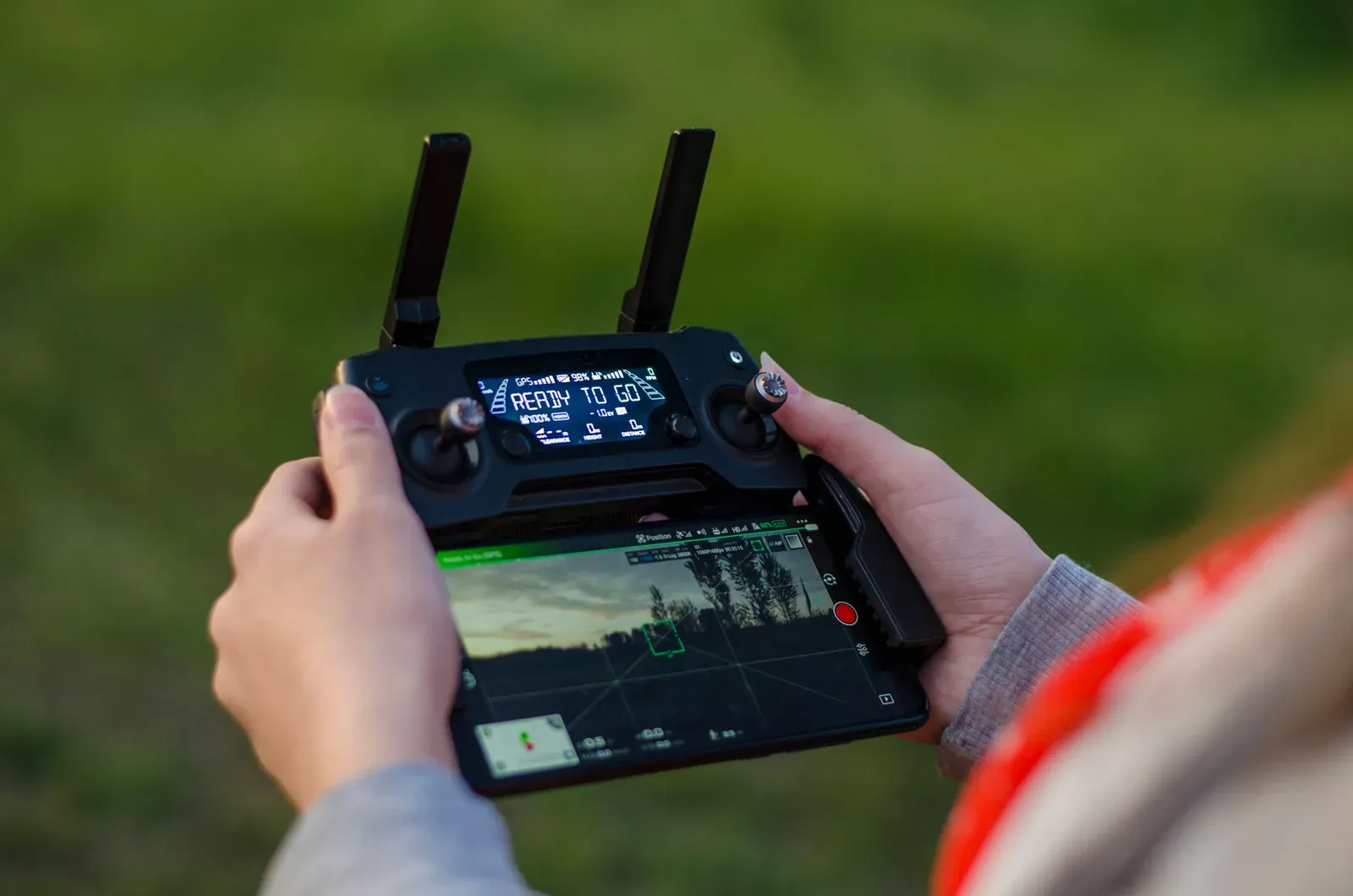
Foto: Dr Failov / Pexels
There is public evidence that NATO is studying and applying lessons from Ukraine through analysis cells, training programs, and cooperation with Kyiv. Western studies are also pushing for a distributed C-UAS posture with distinct responsibilities at the tactical, operational, and strategic levels.
That is not the same as saying NATO has formally adopted Sky Fortress as a standard, or that Israel, South Korea, and the United Kingdom have wholesale copied Ukrainian doctrine. Those claims would need specific official documentation. Absent that, the more accurate framing is that several countries are actively interested in acoustic sensors, interceptor drones, and layered defense architectures.
The main institutional lesson is speed. Equipment, software, and training have to be updated quickly. Systems procured through long acquisition contracts risk becoming obsolete before they're fully fielded. Counter-drone defense therefore needs a mix of procurement, experimentation, testing, and continuous doctrinal review.
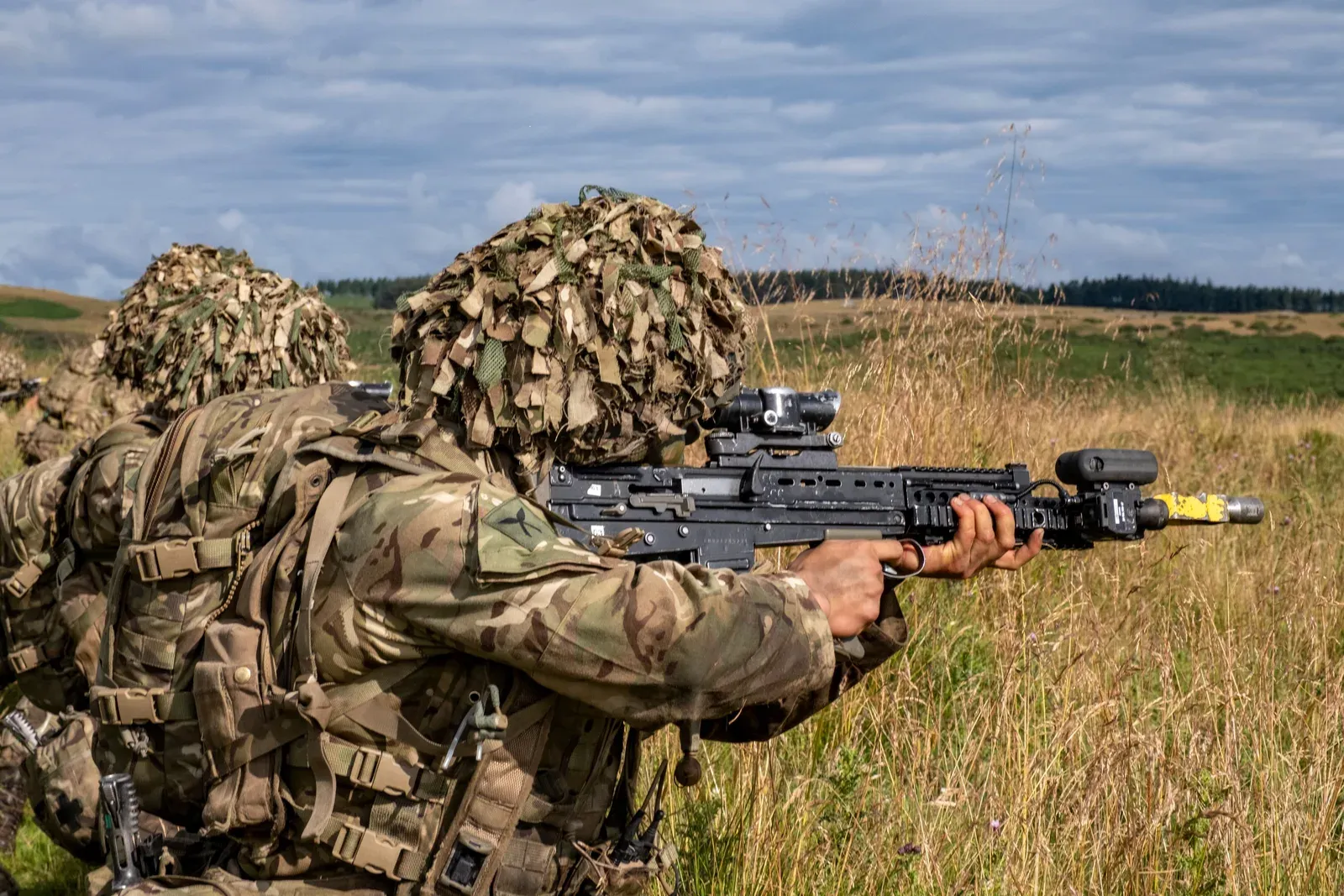
Foto: Mick Latter / Pexels
Limits of Exporting the Ukrainian Model
The Ukrainian experience cannot be copy-pasted onto other countries. Operating environments differ, as do the threats, the military organization, airspace regulation, and the relationship between armed forces, public security agencies, and civil operators.
A C-UAS architecture also carries legal and safety risks. Using electromagnetic interference, sensors in urban areas, and kinetic effectors requires authorization, coordination, and strict control. The right starting point for most countries is a threat assessment, protection of critical infrastructure, and interoperability between institutions — not the impulse purchase of a system marketed as a universal solution.
It's also worth separating documented fact from unverified reports. Claims about criminal organizations using commercial drones, for example, deserve official documentation and context before they become the basis of public policy. The concern may be legitimate. It still isn't evidence.
Final Thoughts
Ukraine's counter-drone doctrine teaches that effective defense comes from complementary layers, not a single technology. Acoustic sensors extend detection; electronic warfare degrades certain systems; interceptors fill gaps; and conventional air defense remains indispensable against larger, faster threats.
The most important takeaway is methodological. Ukraine shows how operational pressure compresses innovation cycles — and it also exposes the limits of extrapolating wartime experience to peacetime militaries. For NATO and for countries watching from the sidelines, the safest bet is to invest in integration, testing, training, governance, and independent evaluation. Without that, any promise of cheap, universal drone defense is likely to be just marketing.