Autonomous Swarms in Ukraine: From Hand-Flown FPV to Onboard AI
Mainstream coverage treats 'swarm' as a marketing label. Let's break down the actual technical stack — computer vision, mesh radio, terminal guidance — and what's already reaching civil markets.
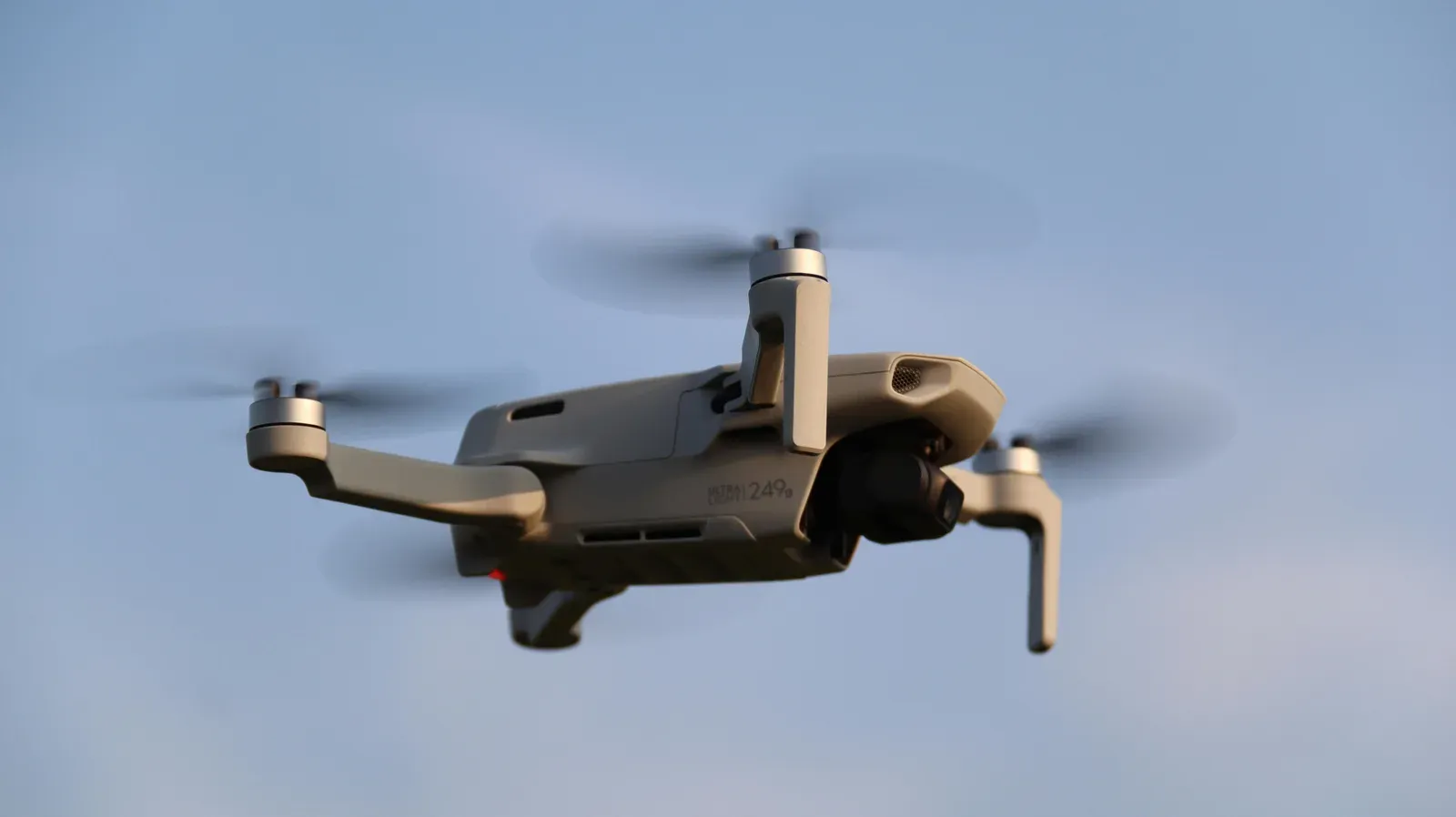
In August 2025, a video released by Ukraine's Khartia battalion showed six quadcopters taking off together, splitting a section of Russian trench into quadrants and engaging different targets without a human operator picking each one by hand. It was the clearest public record so far of an AI drone swarm operating in actual combat. From that point on, the concept stopped being trade-show language and became a concrete operational doctrine.
Parts of the press framed the episode as science fiction. It isn't. The breakthrough came from combining three already-familiar technologies: onboard computer vision, low-latency mesh radios, and terminal navigation systems that keep working under heavy electronic warfare. The edge isn't some futuristic AI. It's in how those pieces were stitched together into a swarm that is functional, cheap and scalable.
What an AI Drone Swarm Actually Is
An AI drone swarm is a group of unmanned aircraft that share perception, navigation and decision-making through mesh networks and onboard computer-vision models. Instead of one pilot flying each aircraft, the operator defines a mission and the drones distribute tasks among themselves.
In practice, a single operator can supervise several drones simultaneously. If one drone loses its link, the rest carry on. Unlike traditional FPV, a swarm doesn't depend on a continuous link to the pilot to finish the job.
There are different levels of autonomy. Some operations rely on basic coordination between aircraft. Others already run with high autonomy after takeoff. Ukraine is currently working in the middle of that spectrum: partial autonomy with reduced human supervision. There is no Skynet here. There's relatively affordable commercial hardware running visual-detection models tuned for swarm operations.
Inside the Technical Architecture
When engineers tear down the platforms used in the Ukrainian conflict, a pattern shows up quickly. The modern AI drone swarm usually rests on three pillars.
Onboard Computer Vision

Processing typically runs on boards like the NVIDIA Jetson Orin Nano or the Rockchip RK3588. These modules execute neural networks trained to identify military vehicles, people, structures and obstacles in real time.
The most important point is economic. The hardware required to run a swarm now costs a small fraction of what it did just a few years ago. What once required military labs now fits on relatively cheap commercial boards.
Resilient Mesh Radio
Mesh communication lets every drone act as a network repeater. If one unit goes down, another picks up the slack automatically.
In intense electronic-warfare environments, that's decisive. The swarm doesn't lean on a single central controller. Adaptive frequencies and jam-resistant protocols help keep the mission alive even under heavy interference.
Autonomous Terminal Guidance
In the last meters of the mission, the drone locks onto the target visually and reduces its dependence on the radio link. That matters because jamming usually intensifies close to the target.
In practice, the operator stops flying the aircraft directly. The onboard system handles the final trajectory adjustments. This pattern already shows up across several experimental platforms and should become standard in coordinated swarm operations.
Why Traditional FPV Hit a Wall
Classic FPV reshaped the conflict between 2022 and 2024. It was cheap, simple and reasonably effective. But it ran into clear limits.
The first problem is human scale. Each drone needs a dedicated pilot. Producing millions of drones is easier than training millions of operators.
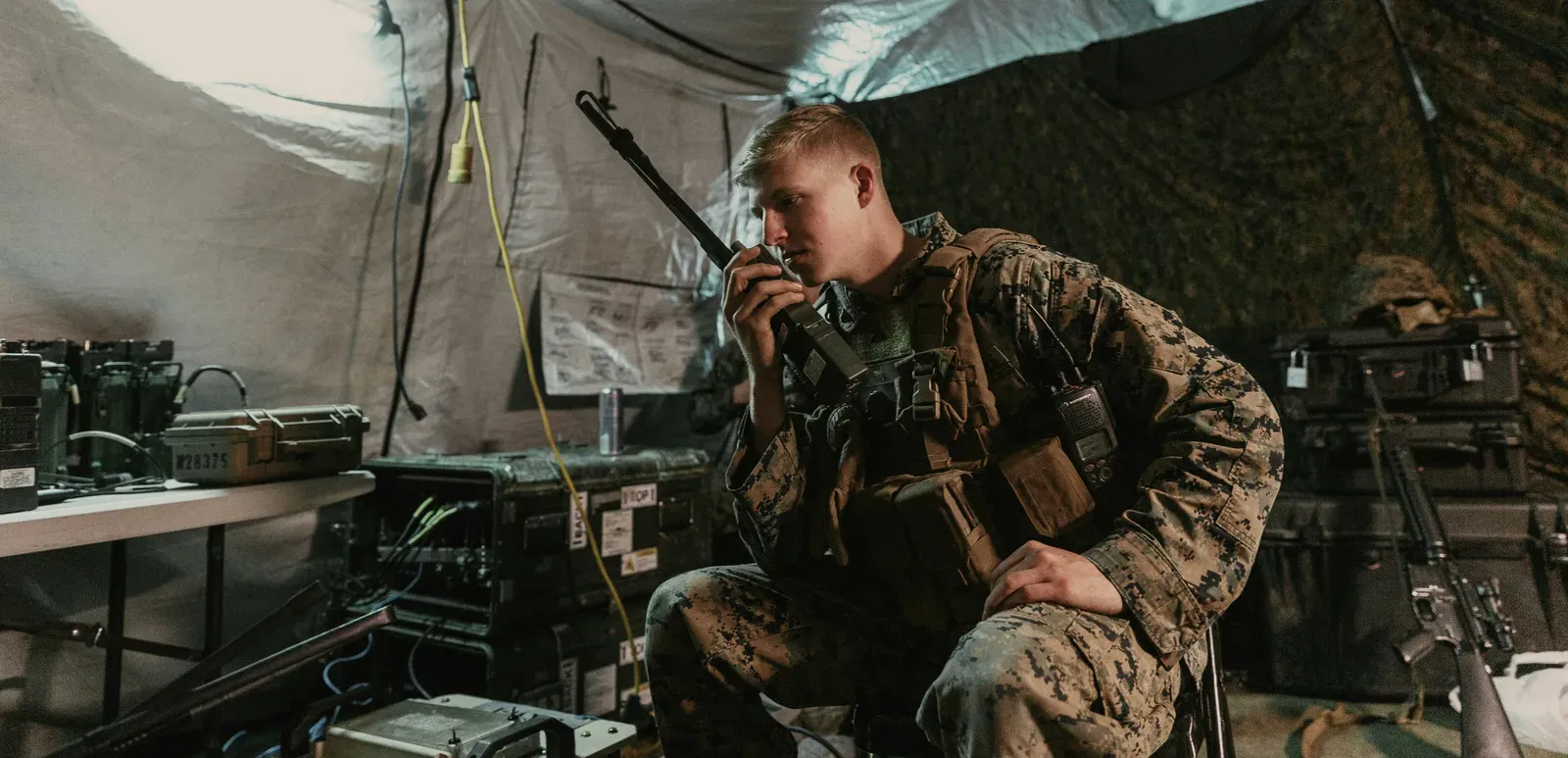
The second is jamming. No signal, no mission.
The third is operator fatigue. After hours of continuous flying, human error rates climb fast.
An AI drone swarm chips away at all three at once. One operator supervises multiple aircraft. The system keeps going even when communication is partially lost. And a big share of the cognitive load shifts away from the human pilot.
That's why Ukrainian startups focused on multi-drone autonomy attracted aggressive investment in 2025. The market figured out that "one operator, many drones" rewrites the operational economics entirely.
How the Technology Is Already Reaching the Civil Sector
The most relevant part for commercial operators is that this architecture has already started migrating into civil applications.
Infrastructure Inspection
BVLOS inspection companies caught on quickly. Instead of one pilot following a single aircraft across dozens of kilometers, several coordinated drones can split transmission corridors, railways or pipelines between them.
Firms like Skydio and Percepto already run solutions close to this model in industrial environments. Swarm coordination shrinks operating time and widens coverage.
Precision Agriculture
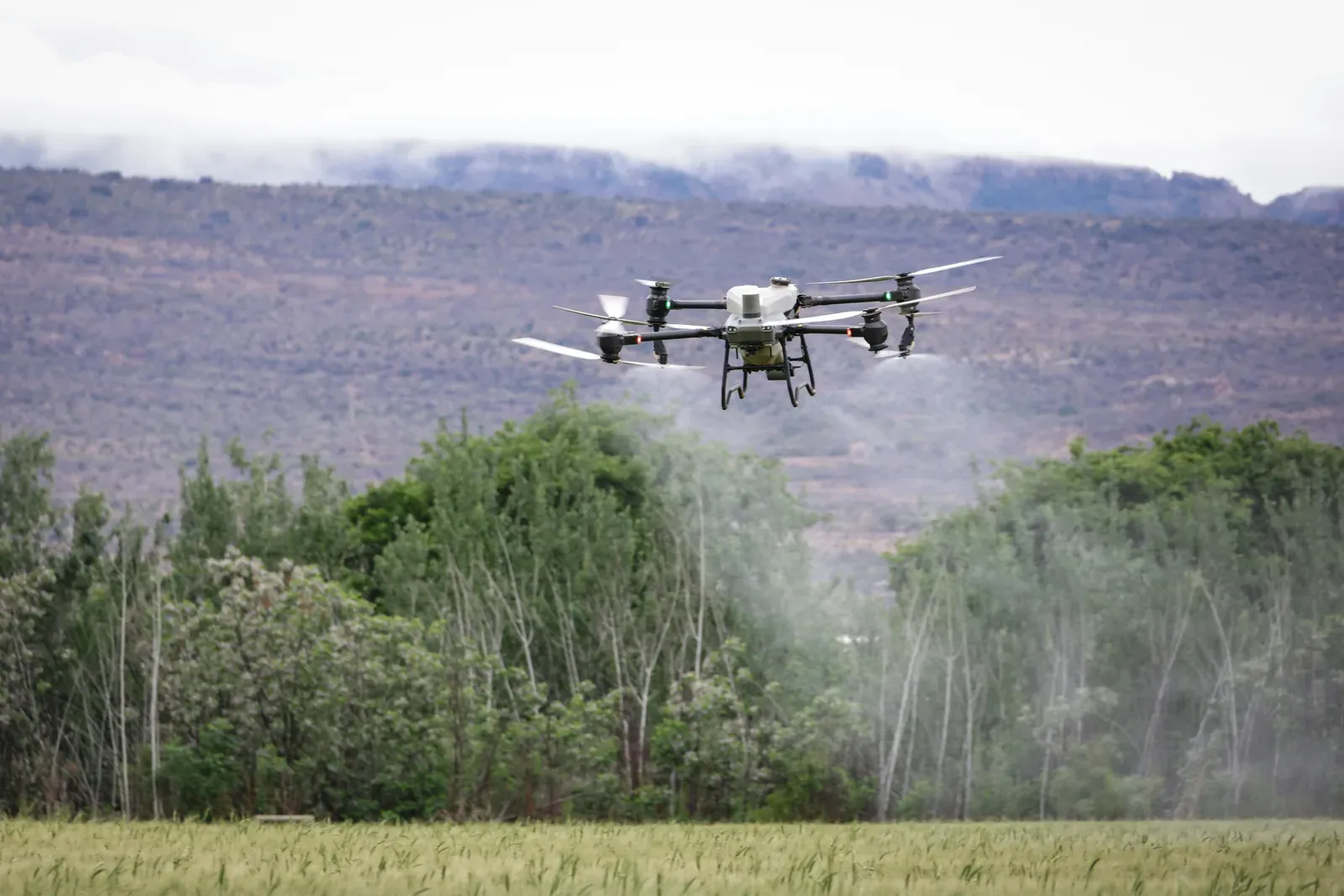
Agriculture may be the sector with the biggest immediate upside for swarm autonomy.
DJI and XAG agricultural models already fly coordinated spraying missions. The logical next step is letting several drones cover large fields simultaneously with reduced supervision.
Technically, this is already feasible. The main bottleneck remains regulatory for commercial swarm operations.
Search, Rescue and Monitoring
Emergency operations also gain efficiency with multi-drone coordination. In flood, wildfire or missing-person scenarios, a swarm drastically cuts the time needed to cover large areas.
The ability to automatically split search sectors changes the operational math entirely.
The Limits Still Holding Things Back
Despite the enthusiasm, swarm autonomy still faces serious limits.
False Positives
Computer-vision models still make mistakes. In civil use, that can produce false alarms, misidentified objects or navigation failures. In military settings, the consequences can be far worse.
Dependence on Specific Data
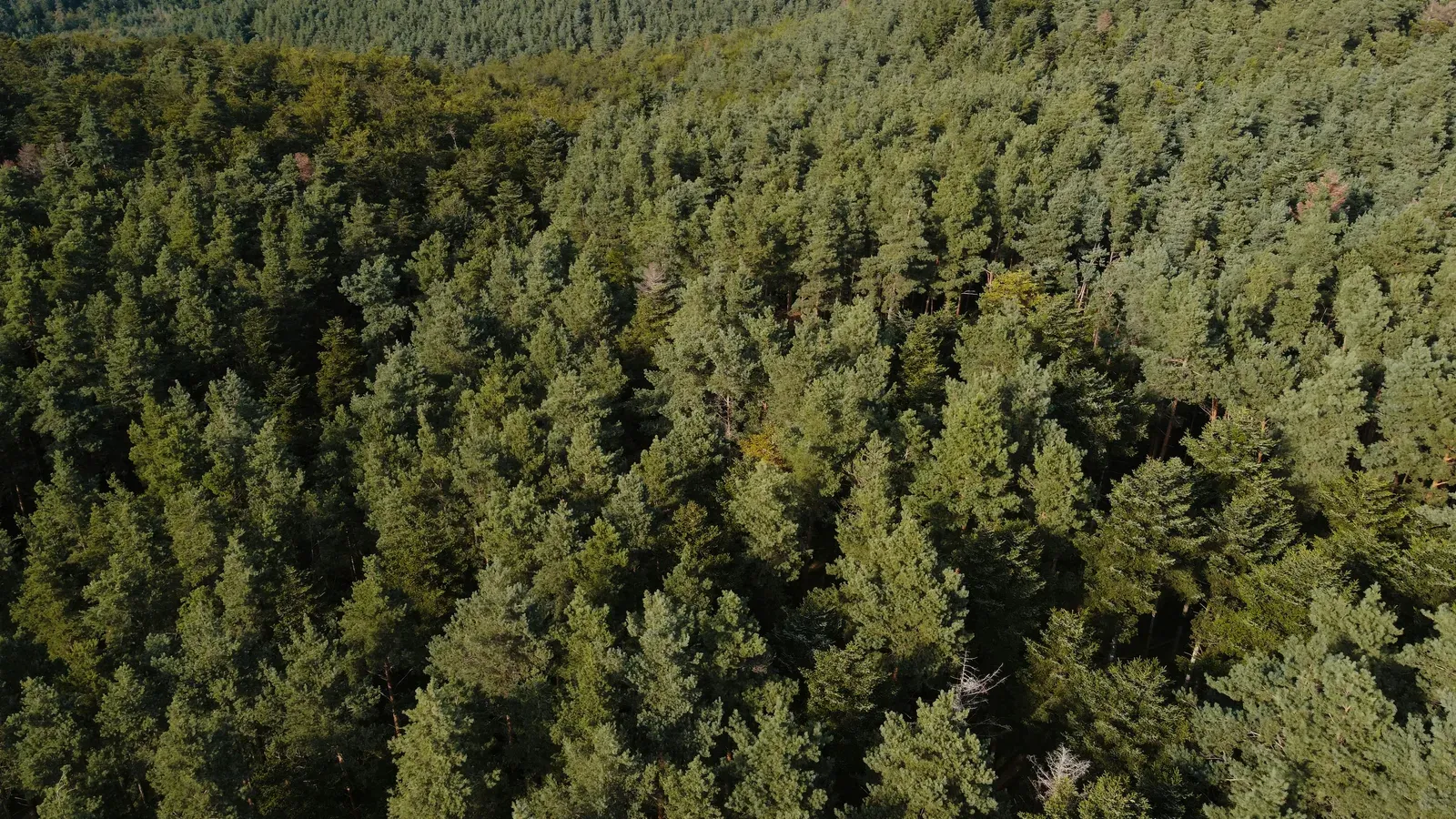
Models trained in one environment tend to lose accuracy in others. A system trained on open terrain can struggle in dense forests or complex urban environments.
Generalization remains one of the biggest open challenges for AI applied to aerial autonomy.
Regulation Lagging Behind
Legislation still trails the technology. The FAA, EASA and ANAC (Brazil's aviation authority) remain focused mostly on individual BVLOS, Remote ID and basic airspace integration.
Broad civil operations using coordinated swarms still depend on experimental waivers or controlled environments.
What to Expect Over the Next Few Years
The trajectory looks clear. Knowledge accumulated in actual combat should accelerate the commercial development of coordinated platforms.
Companies focused on aerial autonomy will likely turn originally military technology into products for inspection, agriculture, logistics and asset security.
Costs should fall quickly too. Swarm systems that today run in the tens of thousands of dollars should be significantly more accessible by 2027.
For markets like Brazil, the main risk remains regulatory. Global capability is moving faster than local rulemaking. Operators who start studying mesh networks, multi-aircraft coordination and computer vision now will hold a real edge once the rules catch up.
Final Thoughts
The AI drone swarm is no longer an experimental concept. It's already operating in real combat and starting to cross into civil applications with serious operational value.
The combination of onboard computer vision, mesh communication and terminal autonomy rewrites the economics of unmanned aerial operations. One operator supervises several aircraft at once, cutting costs and expanding scale.
The biggest bottleneck now isn't technical. It's regulatory, operational and ethical. Whoever grasps the potential early will be best positioned when coordinated civil autonomy finally hits its stride.