Drone Swarms in Ukraine: What the War Actually Teaches Us
Separating marketing from reality in Ukraine's so-called drone swarms: mission coordination, onboard computer vision, and how these battlefield advances are bleeding into civilian inspection, agriculture, and search and rescue.
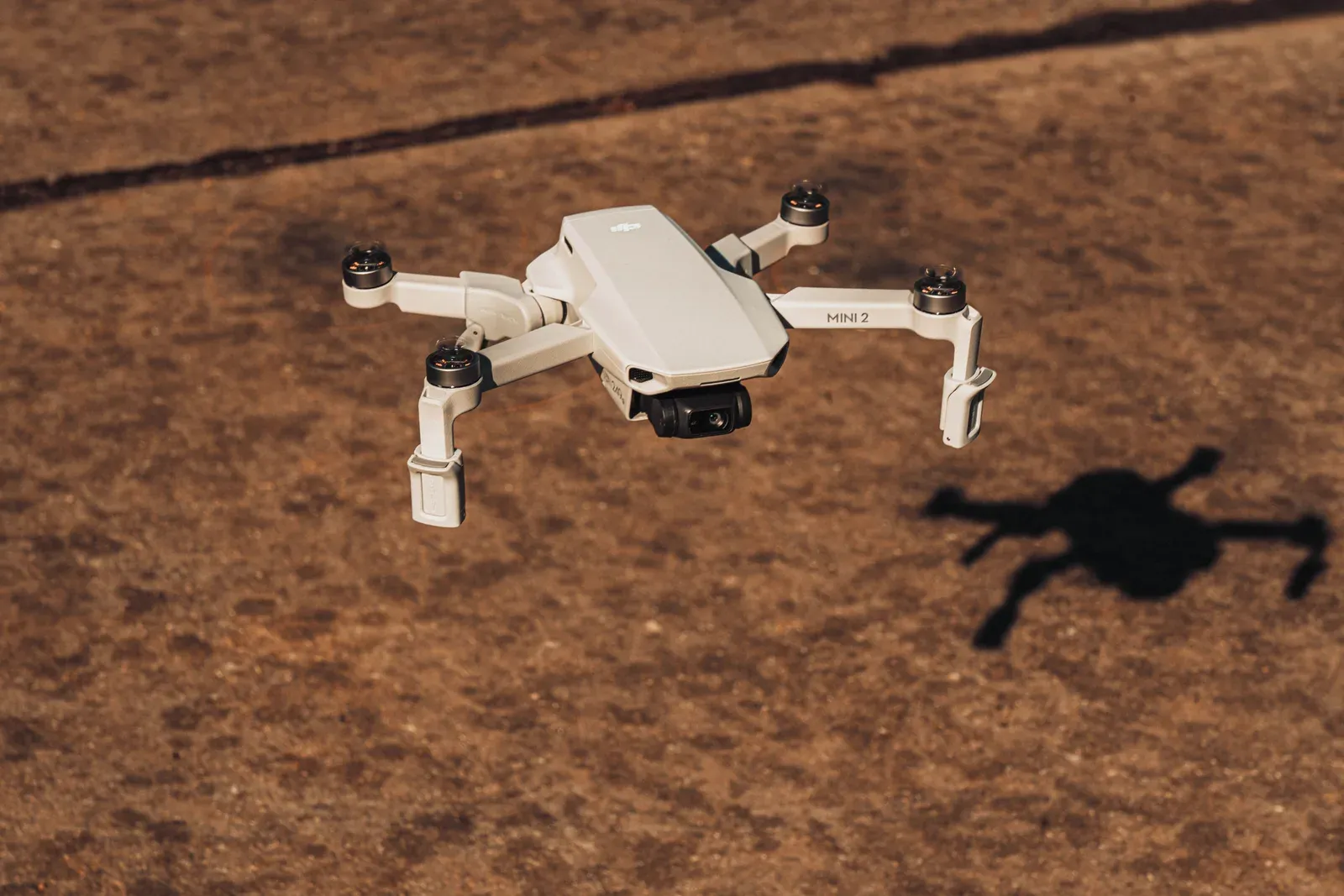
In July 2025, a video released by Ukraine's Ministry of Defense showed four FPV drones striking a Russian column near Pokrovsk in coordinated sequence. The official caption used the magic word: swarm. Western media ran with it. But look at the footage carefully and that isn't quite what happened. The episode still pushed drone swarms to the center of the debate on military autonomy, even though the operation on screen depended on human coordination.
The drone swarms Ukraine is popularizing rarely meet the academic definition — multiple autonomous agents coordinating without central control, making local decisions that produce global behavior. What you actually see is a spectrum. And understanding that spectrum matters, because it's where the next generation of civilian inspection, agriculture, and logistics drones is coming from.
This piece separates the marketing from what actually exists — mission coordination, onboard computer vision, terminal guidance — and traces how that tech is spilling into civilian work.
Drone swarms: a straight definition for readers in a hurry
A drone swarm is a group of unmanned aerial vehicles operating in coordination, sharing mission data and — in varying degrees — making autonomous decisions about navigation, targeting, or task allocation. A true swarm self-organizes: if one agent goes down, the others redistribute roles without human intervention. In the military practice of 2024–2025, most so-called swarms still require one human operator per drone — what NATO classifies as swarming behavior, not an autonomous swarm.
The three levels Ukraine operates today
The Ukrainian experience shows drone swarms aren't a single category. They vary by degree of autonomy, communication architecture, and how many decisions the system makes without a human in the loop.
- Level 1 — Networked human coordination: several pilots, one target, comms over Discord or radio. This is the standard for modified FPV Mavic/Autel rigs.
- Level 2 — Coordinated mission with terminal autonomy: the operator designates the area, the drone finishes the last 1–2 km using onboard computer vision. Ukraine's Saker Scout is the canonical example.
- Level 3 — Machine-to-machine swarm coordination: still experimental. Companies like Kyiv-based Swarmer have demonstrated groups of 7–10 drones splitting targets by consensus. Rare in actual combat.
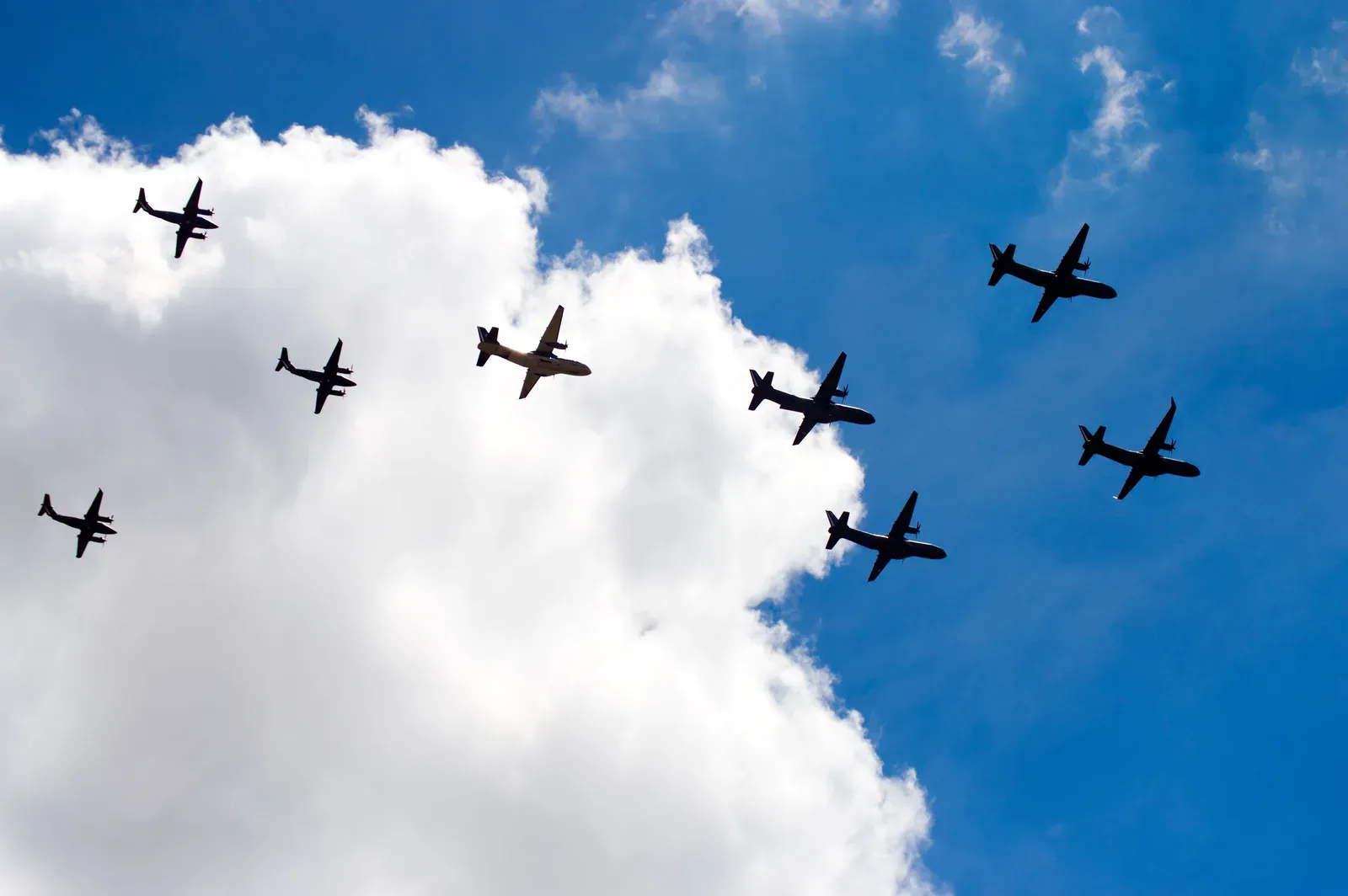
Foto: Miguel Á. Padriñán / Pexels
The real trick isn't the swarm — it's onboard computer vision
The genuine technical breakthrough of the last 18 months isn't in coordination. It's in the chip.
Low-cost Ukrainian drones (US$400 to US$2,000 per unit) now carry modules like the NVIDIA Jetson Orin Nano, the Raspberry Pi 5 with Hailo-8 accelerators, and more recently Chinese Rockchip SoCs. They run customized YOLO models that identify T-72 tanks, BMP armored vehicles, and logistics trucks even after Russian jamming has killed the video link. That's the innovation changing the game — not the number of drones flying together.
Why does it matter? Because electronic warfare has turned brutal. A RUSI report from May 2025 found that more than 60% of Ukrainian FPVs lose their link before impact. Without terminal autonomy via computer vision, they'd be flying scrap. With it, the drone finishes the mission blind to RF, guided only by the camera. That is useful autonomy, even if narrow.
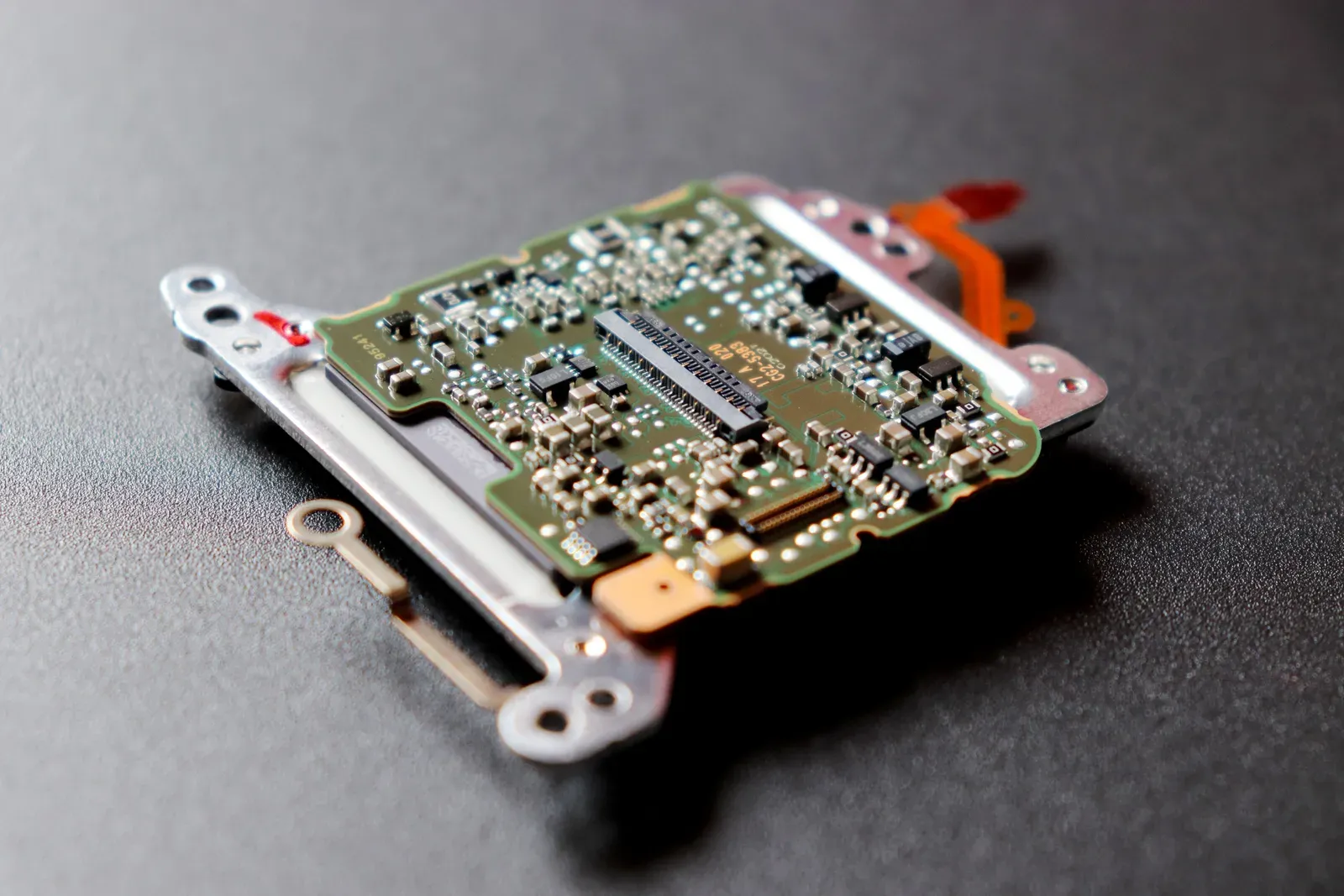
Foto: Sharath G. / Pexels
Frankly, calling this "military AI" sells more coverage than the technical reality warrants. It's object recognition running on US$80 embedded hardware. Impressive for its scale and price — not the sophistication of the algorithm.
Who's building what: a map of the manufacturers
Ukraine's ecosystem now has more than 500 drone companies registered under the Brave1 program. A few names worth tracking:
- Swarmer — a software platform that orchestrates drones from different manufacturers. Signed a contract with the British Army in February 2025.
- Saker — the Saker Scout reconnaissance drone with autonomous target ID was one of the first to enter confirmed operational use, in October 2023.
- Auterion — the Swiss-American company supplied 33,000 AI-enabled Skynode S units to Kyiv in 2025, per Reuters.
- General Atomics + Shield AI — on the American side, testing real swarming with the V-BAT during US Navy exercises in 2024.
How this bleeds into the civilian world — and already is
Every big war pushes dual-use tech forward. Ukraine's is no different — except the pace is on a different scale. Firmware iteration cycles in combat units run two to three weeks. No civilian company operates at that tempo.
Three civilian applications are already benefiting directly:
Industrial inspection and mining
Detection models originally trained to identify military vehicles have been retrained to spot cracks in wind turbines, corrosion in pipelines, and wear on conveyor belts. Skydio was already heading this way with the X10, but what you see now is a wave of Eastern European startups offering the same thing at a quarter of the price. Vale, Anglo American, and ArcelorMittal are running pilots.
Precision agriculture in coordinated fleets
XAG and DJI Agras have flown multiple drones coordinated by a single operator since 2022. The post-Ukraine novelty is fault tolerance: if one drone in the fleet crashes or loses GPS, the others redistribute the remaining area without stopping the mission. On soy in Mato Grosso, cooperatives reported a 22% reduction in spraying time using five-unit fleets in 2024/2025 trials.
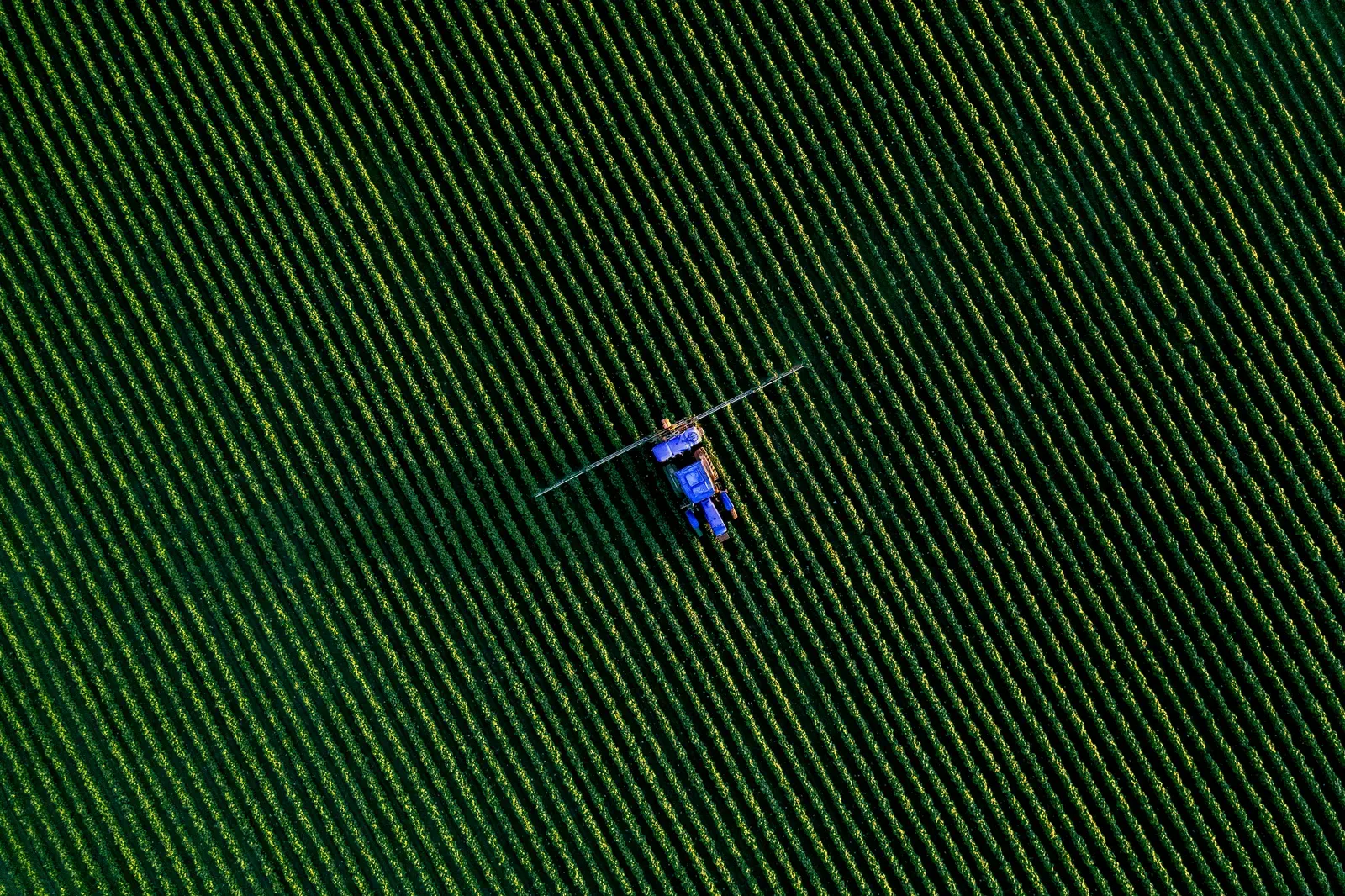
Foto: Marios Gkortsilas / Unsplash
Search and rescue
Here the transfer is almost direct. A YOLO model that recognizes a soldier in forest cover recognizes a buried mountaineer with a bit of fine-tuning. Bavaria's fire service integrated three autonomous drones into its alpine rescue protocol in 2025, using software derived from Ukrainian architectures.
The regulatory problem nobody wants to talk about
Here's the uncomfortable truth: most of what gets called a "civilian swarm" is unapproved BVLOS. EASA published its Special Condition for multi-UAS operations in 2024, and the FAA is still spinning its wheels on swarm regulation beyond visual line of sight. In Brazil, ANAC (the national aviation authority) still treats each aircraft individually — there is no formal "swarm" category.
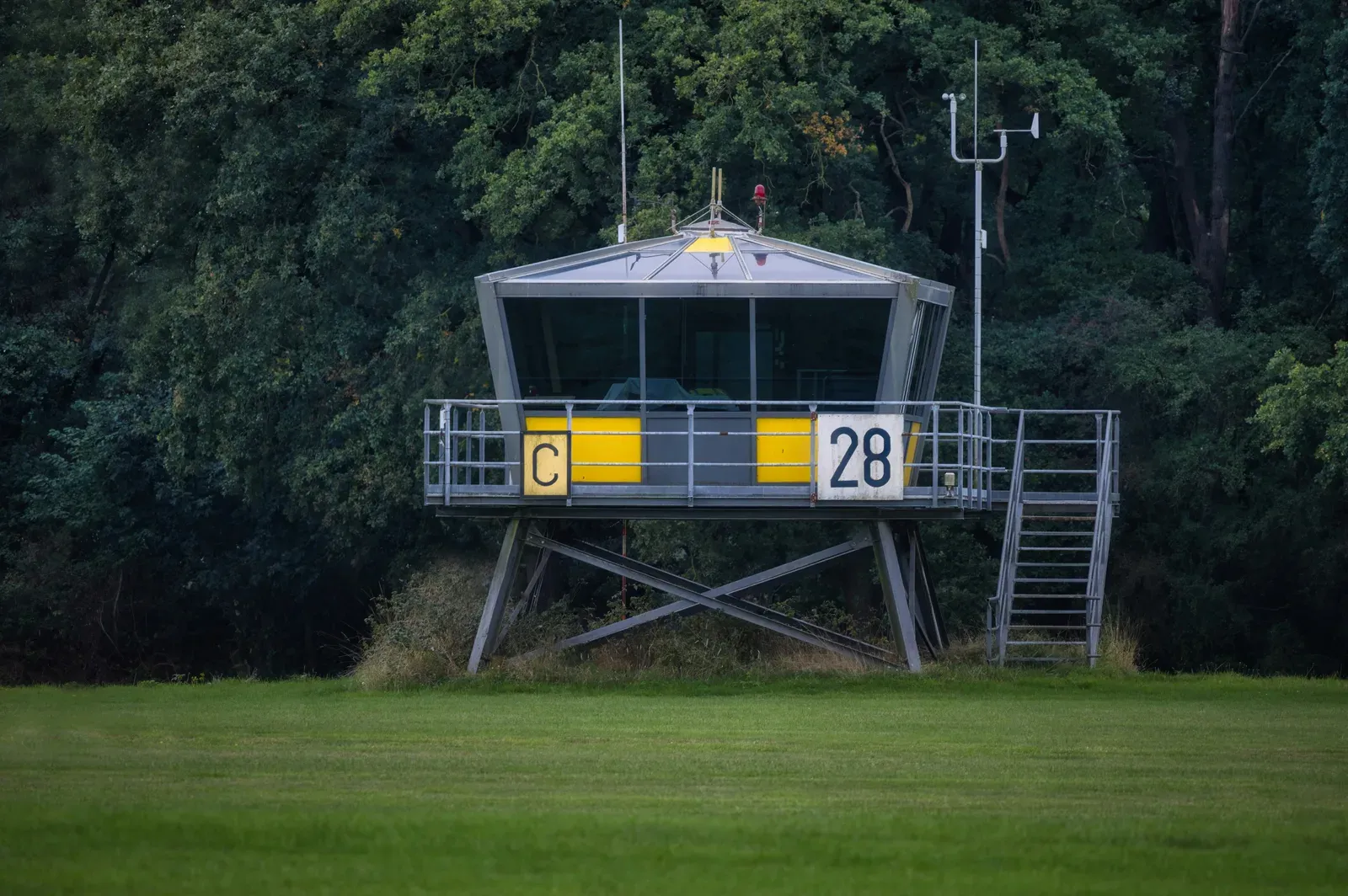
Foto: Wolfgang Vrede / Unsplash
So Ukrainian technology is arriving before the regulator is ready for it. Commercial operators wanting to use real coordination will need case-by-case authorizations with SORA risk assessments. That will hold back large-scale adoption for at least another two years. Maybe three.
Then there's Remote ID. A 30-drone swarm generates 30 simultaneous broadcasts in the same cell — the current standard wasn't designed for that. Someone will have to fix it, and it won't be easy.
Final thoughts
The practical lesson from Ukraine, for anyone flying drones outside a war zone, is less glamorous than the videos suggest. It isn't AI making swarm-level decisions on its own — it's cheap, jamming-resistant onboard computer vision, plus a software iteration model the civilian industry needs to copy. What to watch over the next 12 months:
- Western manufacturers adopting US$80–150 SoCs with neural accelerators in mid-size commercial drones.
- First multi-drone BVLOS authorizations from EASA and ANAC — likely restricted pilots, not general rules.
- Consolidation of orchestration software: dozens of platforms today; three or four survive by 2027.
- Migration of Ukrainian military talent into European civilian startups. It's already happening. Quietly.
The main lesson from drone swarms in Ukraine isn't that full autonomy is ready for general use. It's that partially autonomous, cheap, interference-resistant systems are already reshaping how complex missions get planned and executed.
If you run fleet operations today, the right move isn't waiting for the "definitive autonomous swarm" to arrive. It's testing terminal autonomy on single-drone missions now, and building the data pipeline that in two years will train your own models. The rest is noise.