Fiber Optic vs. AI Autonomy: The Next Inflection Point in Ukraine's Drone War
A technical look at how fiber-optic FPVs and AI terminal-guidance modules are rewriting UAV doctrine — and what that shift means for the civilian market and counter-UAS industry.

A thin glass thread is changing how the front line fights. On both sides of the Ukrainian battlefield, FPV drones tethered to spools of fiber optic cable are slipping past jammers that would have swatted a radio-controlled quadcopter out of the sky. It's a low-tech answer to a very high-tech problem — and it's forcing a rethink across the UAV industry.
How Fiber Optic Drones Actually Work
Instead of pushing commands and video through radio frequencies, the aircraft carries a spool of fiber optic cable that unwinds mid-flight. Data travels as pulses of light down the cable, not over the air. Electronic warfare systems designed to jam control links, video feeds or GNSS signals simply have nothing to grab onto.
That doesn't make the drone invisible or invulnerable. It can still be spotted visually, acoustically, on infrared, or on radar depending on the scenario. The cable itself is a liability: it can snag on trees, buildings and debris, snap under tension, or restrict how aggressively the pilot can maneuver. The spool adds weight too, cutting into payload and overall performance.

Foto: Brett Sayles / Pexels
Still, the combination of range, clean HD video and immunity to jamming explains the military appetite. According to the Atlantic Council, some models have exceeded 30 kilometers under the right conditions. Effective range varies with the airframe, the spool, terrain, wind, payload, and — as always — the skill of the operator.
Why Ukraine Became the World's UAV Laboratory
The war has produced a brutal feedback loop between drones, sensors and electronic warfare. Large-scale use of fiber optic FPVs first became visible in the Kursk sector in 2024, where Russian units leaned into the ability to strike targets without a conventional radio link.
The technology is no longer tied to a single vendor. In 2025, Ukraine ramped up domestic development and production. The Ukrainian Ministry of Defense projected more than 44 billion hryvnias for FPV drone procurement, fiber-controlled models included. The same ministry has cleared new domestic systems for service, including TechEx's Stalker series.
The result is a fast-moving adaptation race. Russia keeps churning out models like the Knyaz Vandal Novgorodsky at scale, while Ukrainian firms and units field their own alternatives. Public reporting suggests the Birds of Magyar unit has flown fiber optic drones beyond 40 kilometers on specific missions — impressive, but best treated as an edge case, not a category benchmark.
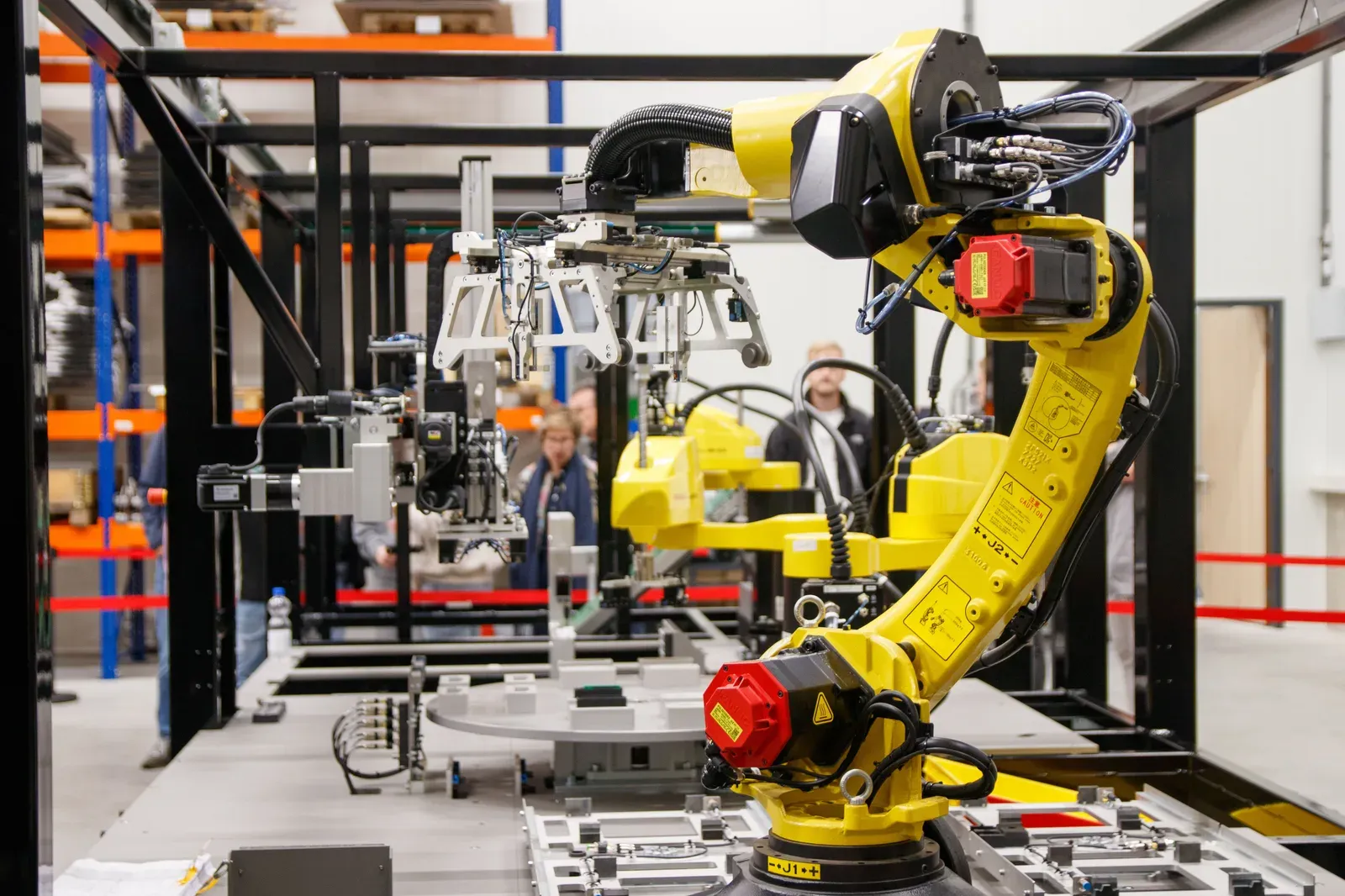
Foto: Freek Wolsink / Pexels
Fiber Optics and AI Are Complementary, Not Interchangeable
Fiber optics solves one problem: the communications link. It keeps commands and imagery flowing when the electromagnetic spectrum is a mess. Artificial intelligence solves a different problem — detecting, tracking or identifying a target. Two distinct challenges, sometimes handled inside the same airframe.
A drone with onboard computer vision can keep locked on a visual reference even if the link degrades. That does not mean every fiber optic FPV has terminal autonomy, nor that a visual recognition module guarantees a hit. Performance depends on the sensor, onboard compute, training data, environment, and the rules governing employment.
The distinction matters. Fiber optics doesn't replace AI, and AI doesn't remove the need to communicate. In many cases the two act as complementary resilience layers — but their costs, risks and blind spots have to be assessed independently.
The Headache Facing Counter-UAS Systems
The rise of fiber optic drones is squeezing the counter-UAS market. Solutions built purely around RF detection and jamming lose their bite against an aircraft whose command and video ride down a cable. That doesn't render every anti-drone system obsolete — it means the defensive stack has to combine several sensors and response tools.
Radar, electro-optical cameras, infrared sensors and acoustic arrays can all contribute to detection. Each has weaknesses: radars generate false positives, optical sensors depend on line of sight and lighting, acoustics struggle with ambient noise. NATO's 2025 innovation challenge put fiber optic drones front and center — a clear signal that the response is still being figured out.
In practice, defense is shifting from an EW-only architecture toward multimodal sensor fusion, where different sensors share data to detect, classify and track targets. Physical barriers, visual watch and kinetic effectors are back on the table, especially for protecting fixed sites and logistics routes.

Foto: Diogo Miranda / Pexels
What This Means for the Civilian Drone Market
Fiber optic tethering isn't new. It already shows up in specialized civilian and military applications. What changed in Ukraine is the mix: commercial-grade components, mass production, and deployment in a heavily contested RF environment. That combination could shape systems built for places where radio or GPS simply can't be trusted.
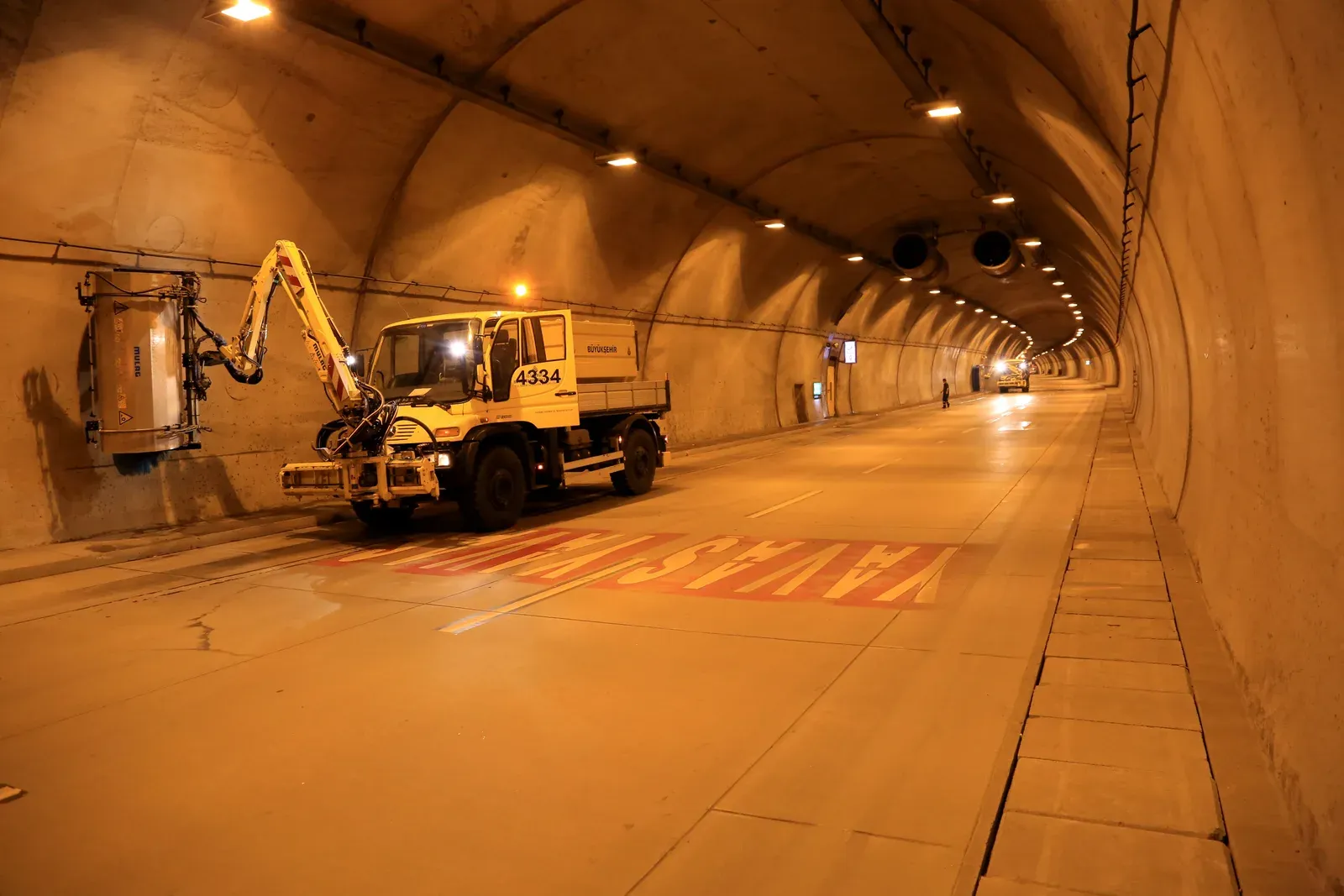
Foto: Fatih Yurtman / Pexels
Possible use cases include inspections in confined structures, tunnels, mine galleries and certain pipeline segments. There's also interest in search and rescue across mountainous terrain or cluttered environments where wireless links fail. In those settings, though, a long cable can snag, restrict movement, or introduce new hazards for the crew.
The jump to civilian operations isn't automatic. BVLOS flights, autonomy, operational safety and third-party protection are still subject to authorization and risk assessment. In the EU, EASA uses the SORA methodology to evaluate specific operations, weighing ground and air risks alongside mitigations. Swapping the radio link for glass fiber doesn't change any of that.
Final Thoughts
Fiber optic drones in Ukraine show how a relatively simple engineering choice can tilt the balance between offense and defense once the electromagnetic spectrum is saturated. The physical link cuts radio dependence but adds weight, mobility constraints and a fresh set of vulnerabilities.
The bigger lesson isn't that fiber will replace conventional drones. It's that unmanned systems are moving toward hybrid architectures — resilient comms, computer vision, diverse sensors and layered defense all working together. For militaries, manufacturers and civil regulators, tracking that convergence will matter more than betting on any single technology.