Noise Is Killing Drone Delivery Before BVLOS Even Arrives
The biggest barrier to drone delivery is no longer regulatory — it's acoustic and social. Few outlets have covered the decibel data, the lawsuits, and the rotor redesigns Wing and Zipline are rushing to complete.
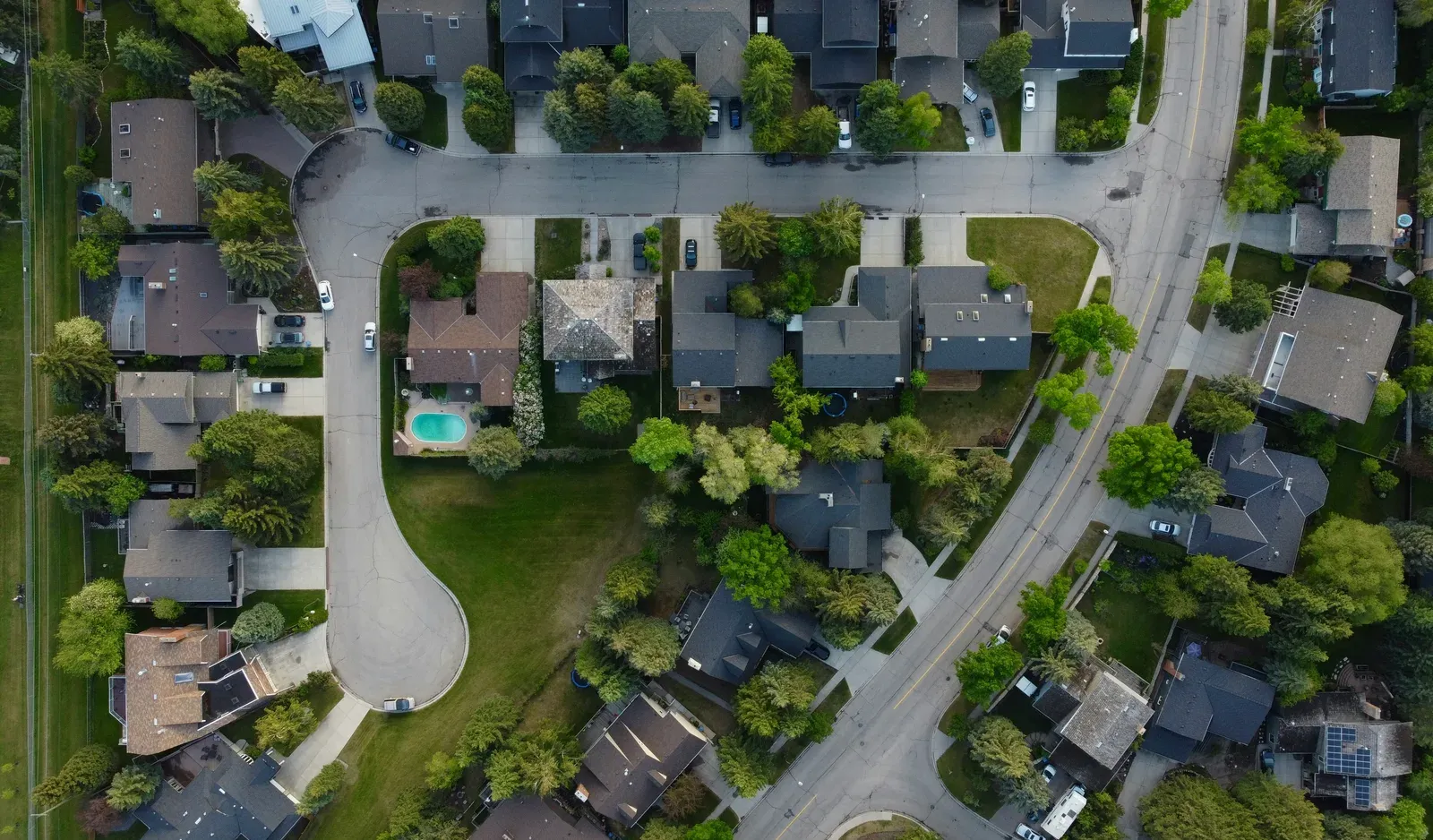
Drone delivery noise has stopped being an acoustic-engineering footnote and become one of the industry's toughest commercial obstacles. Fifty-five decibels sounds low on paper, but a buzz coming from the sky — repeating every few minutes with a sharp harmonic signature — lands very differently on the people beneath it. For Wing, Zipline and Amazon Prime Air, community acceptance may end up mattering as much as flight safety or BVLOS approval.
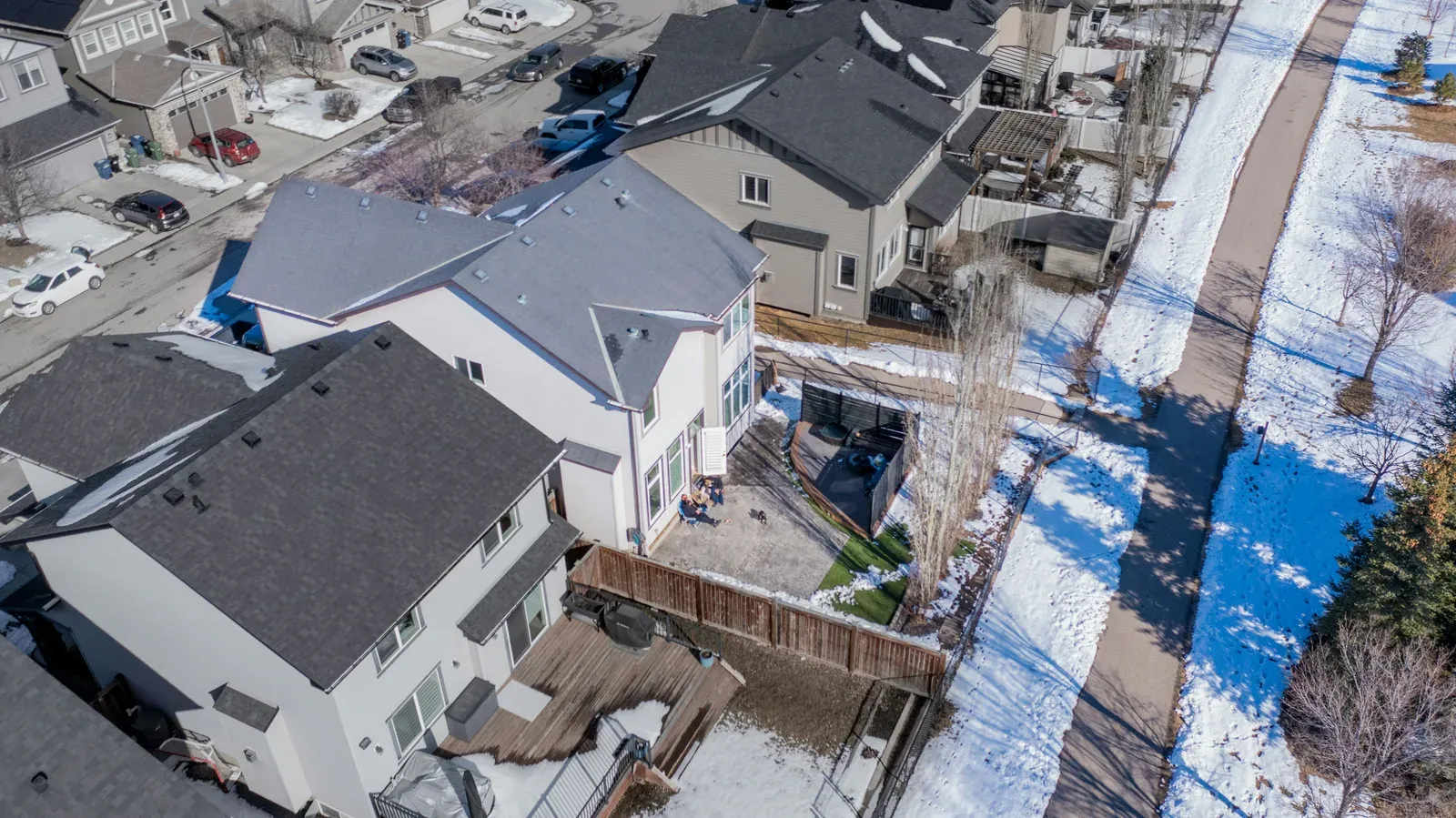
Airspace rules have advanced on several fronts. Resident tolerance hasn't kept pace. While manufacturers test routes and airframes, communities are debating operating hours, buffer distances from homes, and the right to quiet. The tension is sharpest in dense neighborhoods, where the benefit of a delivery lands with one household but the annoyance spreads across many.
What drone delivery noise actually is
Drone delivery noise refers to the acoustic emissions produced by multirotors during cruise flight — typically 35 to 80 km/h — and during the hover phase over the drop point. Depending on the aircraft, payload, wind and distance, measurements can swing by a wide margin.
Annoyance isn't just about volume. Tonal signature shapes perception too. The frequencies produced by rotor blades, especially in the higher ranges, can feel more intrusive than continuous noise at the same intensity. That's part of why a drone's whine grabs attention in a way a distant fan or HVAC unit doesn't.
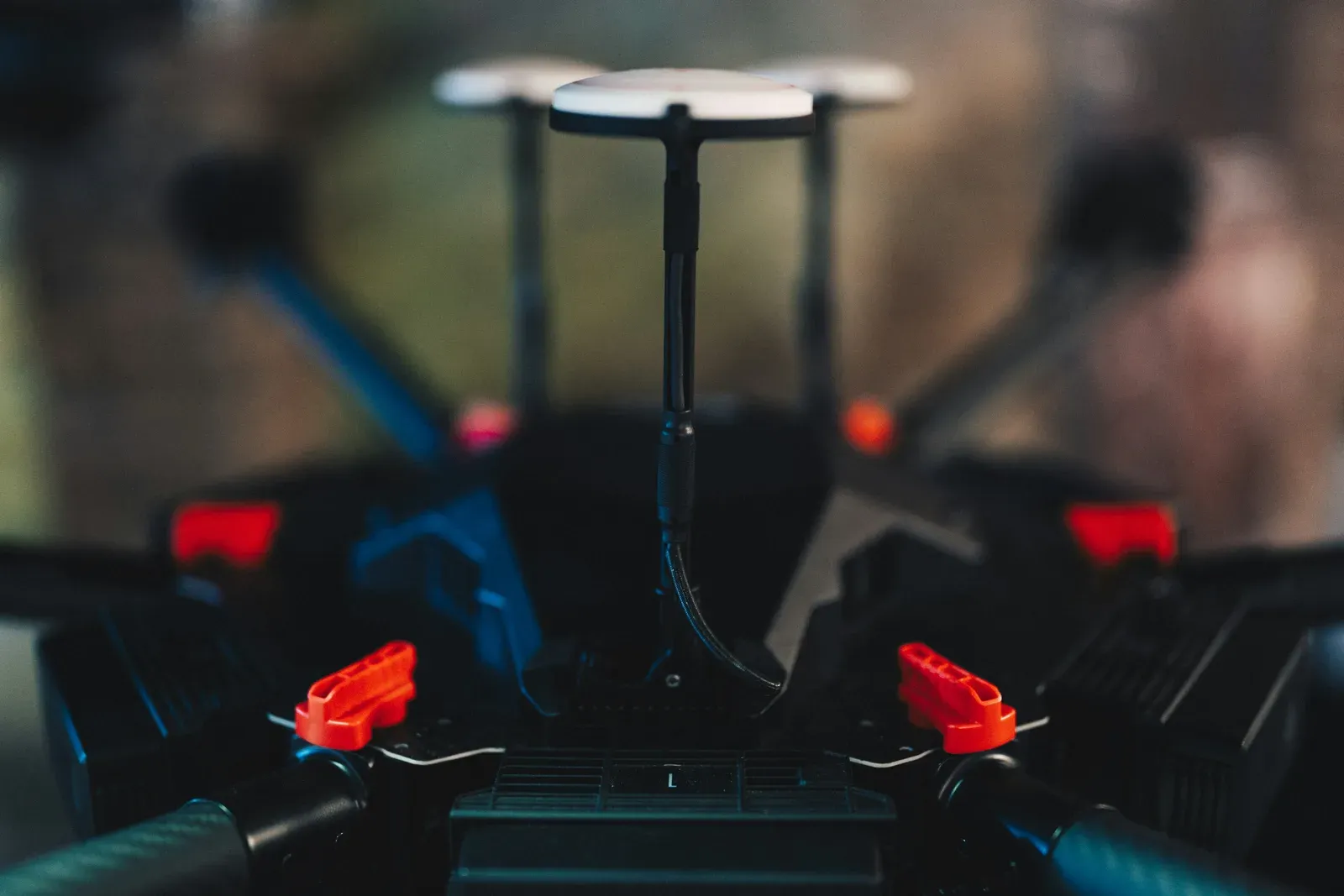
A serious noise policy has to account for decibels, frequency, duration, flight repetition, time of day and distance to homes. Comparing peak sound pressure alone hides most of what people on the ground actually experience.
Field data is still thin
Studies on unmanned aircraft noise agree that human perception isn't driven by sound pressure alone. What's missing is public, standardized measurement from real commercial operations — crosswinds, maximum payloads, extended hover periods and all.
Resident reports from places like Canberra, Australia, and several U.S. communities show noise has become central to the delivery-expansion debate. Neighbors have compared the sound to a distant chainsaw or a high-pitched motor cycling back at regular intervals. Anecdotes don't replace instrumentation, but they explain why the topic has become politically and legally loud.
Aircraft architecture matters too. Multirotors need to hover or slow dramatically to release a package. Fixed-wing systems, parachute drops and tethered-cable descents can keep the airframe at a higher altitude during the final step. That decision reshapes ground-level exposure — and can make or break a business model.
Why rotor redesign became urgent
One of the main strategies to cut drone delivery noise is rethinking the propulsion set. Larger propellers spinning at lower RPMs can produce the same thrust with a potentially less aggressive acoustic signature. Slower rotation also pushes some of the sound energy into lower frequencies, which the human ear finds less irritating under certain conditions.
The tradeoff is real. Bigger rotors mean sturdier structures, more space, and new stability challenges across payloads and wind conditions. Quieter flight isn't one change — it's a combination of propeller, motor, flight controller, shrouding and operational profile.
Another approach is putting distance between the drone and the customer. Zipline's Platform 2, for instance, uses a tethered descent: the package lowers on a cable while the aircraft stays higher up. That reduces multirotor proximity to the recipient, though it adds new safety and operational requirements.
Serrated trailing edges on propeller blades are also being studied to knock down specific noise components. A few decibels sounds modest. In acoustic engineering, it isn't. Still, lab gains rarely map cleanly onto a real urban delivery route.
What manufacturers still need to measure
Many of the numbers manufacturers publish come from anechoic chambers or tightly controlled scenarios. In the field, a fully loaded drone hovering in a crosswind produces a very different result from what appears on a spec sheet.
A useful metric should report sound levels at multiple distances and altitudes, indicate payload, wind speed, exposure time and flight regime, and publish the frequency spectrum — not just a single dB(A) figure. Without that transparency, consumers, cities and regulators have no way to compare offerings.
Drone delivery noise needs to be evaluated as an operational trait, not a lab spec. Flight times, pass frequency and route concentration can matter as much as peak decibels.
The regulatory front: noise could become law
As commercial deliveries expand, pressure to write acoustic standards for unmanned systems will grow. In the EU, the SORA methodology already guides risk assessment for specific-category operations, weighing ground risk, air risk and mitigation measures. Noise will likely enter that conversation as flights push closer to residential zones.
In Brazil, drone operations sit at the intersection of aviation rules, airspace control and general nuisance and neighborhood-disturbance laws. Without a specific national standard for RPAS noise, disputes tend to fall to municipal ordinances, environmental reviews and the courts.
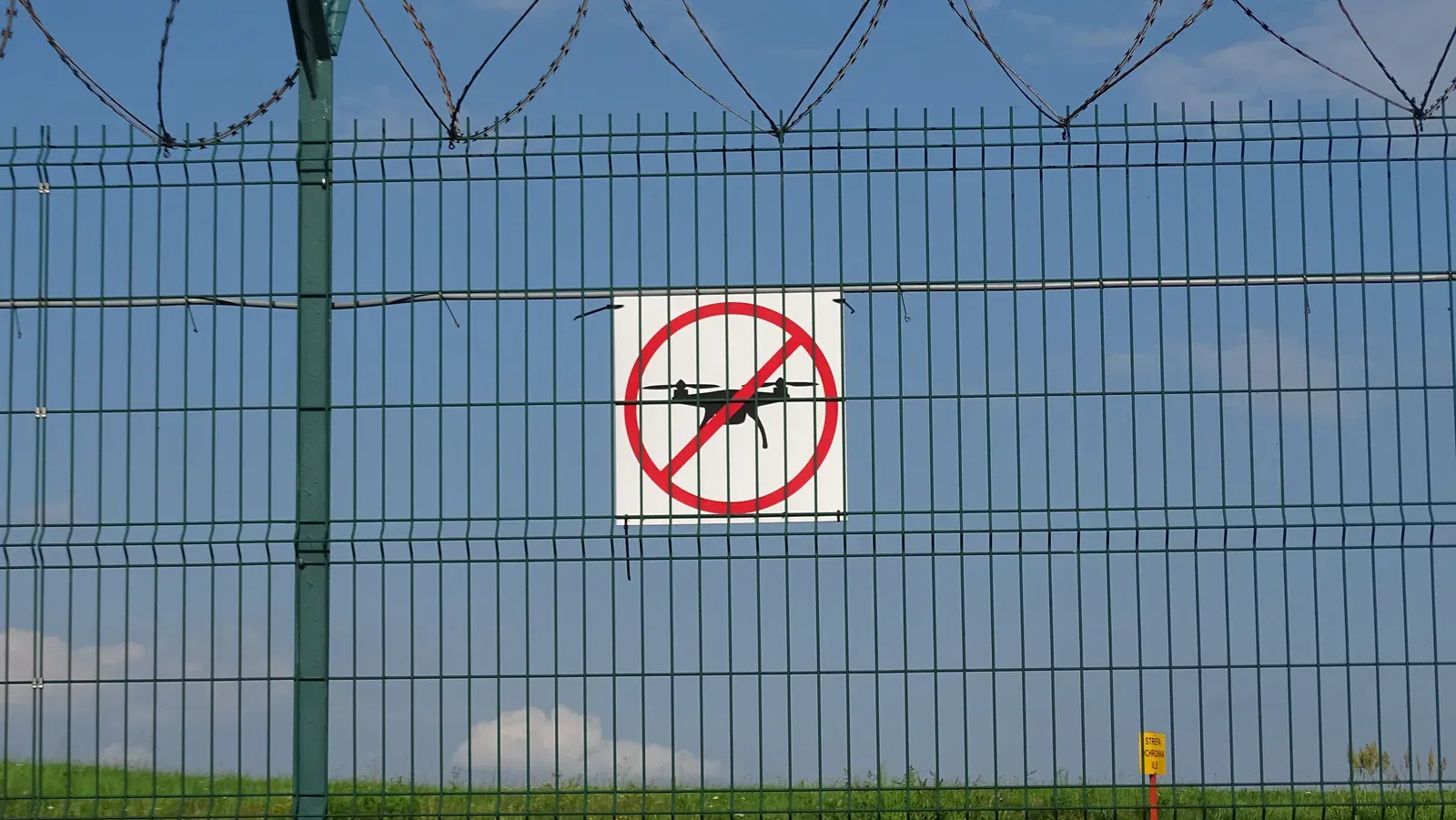
Predictable regulation would define measurement methods, hours, minimum distances and criteria for recurring routes. Absent shared parameters, each city sets its own bar — which raises deployment costs and blocks national-scale rollout.
The social bill the industry can't defer
There's a familiar argument that people will get used to the sound, the way they did with trains, planes and motorcycles. The comparison only goes so far. A drone delivers a package to one household while the noise spreads across the whole block. The benefit is concentrated; the externality is shared.
That asymmetry explains a lot of the pushback in residential areas. Restricting hours, pulling routes away from homes and prioritizing designated drop points tend to work better than asking neighbors to be patient. The industry can also mix quieter airframes, cable descent and operations in lower-density zones.
What to watch in the coming months
Three fronts will decide whether acoustics limits or unlocks the next wave of drone delivery. First, certification protocols that reflect real operating conditions. Second, adoption of architectures that keep the multirotor away from the delivery point. Third, how lawsuits and municipal rules evolve in urban areas.
If manufacturers can cut perceived noise without sacrificing range, payload and safety, residential delivery has room to scale. If they can't, the model likely stays confined to industrial logistics corridors, rural routes and emergency operations — places where the benefit-to-nuisance ratio actually pencils out.
Final thoughts
The industry has spent years prioritizing traffic management, airspace integration and BVLOS safety. Those problems still matter. They don't, by themselves, solve the experience of the people living under the routes. Residents don't judge the technology by delivery efficiency alone — they hear repetition, timing and the intrusive character of the sound.
Drone delivery noise may end up being the industry's real social-acceptance test. Larger rotors, lower RPMs, better measurement protocols and cable-descent systems all point in the right direction. None of them replace transparency and honest dialogue with communities. Physics — not innovation rhetoric — will decide where drone delivery actually makes sense.