Part 108 Decoded: What the FAA's New BVLOS Rule Demands From BVLOS Operators
A practical guide for BVLOS operators navigating FAA Part 108, including certification, airworthiness, training, TPSS requirements, and compliance planning.

The FAA released the FAA Part 108 BVLOS Notice of Proposed Rulemaking (NPRM) on August 6, 2025. This significantly impacted the commercial Unmanned Aircraft Systems (UAS) industry. Within 72 hours, commercial UAS Slack channels were buzzing. Some celebrated, others panicked. Both reactions, however, missed a crucial point. FAA Part 108 BVLOS is not a magic permission slip. It is also not the end of Part 107. Instead, this new framework introduces a parallel certification process. It requires operators to act more like Part 135 air carriers, moving away from waiver-dependent drone businesses.
If you operate drone delivery, linear infrastructure inspection, or any operation currently using a 44807 exemption with a Beyond Visual Line of Sight (BVLOS) waiver, this new rule changes your reality. Part 108 will likely become the main path for scalable BVLOS operations for many commercial operators by late 2026 or early 2027. For those planning long-term BVLOS growth, this framework is more than just a regulatory update. It is the core framework. It will shape how operators certify aircraft, train personnel, manage risk, and scale commercial drone operations for the next decade.
What FAA Part 108 BVLOS Actually Means for Drone Operators
FAA Part 108 BVLOS is a groundbreaking FAA regulation. It creates a permission-based pathway for routine BVLOS drone operations. This applies to aircraft under 55 lbs. The regulation removes the need for case-by-case waivers. This new framework includes operator certification, aircraft permits, and automated detect-and-avoid expectations. It also sets up a tiered structure for various mission profiles. Most importantly, FAA Part 108 BVLOS offers a scalable compliance pathway for operators seeking routine BVLOS authority.
This is a simplified explanation. For operators already doing BVLOS missions, the practical implications are much greater than the headline suggests. Understanding these details is vital for successful adaptation to the new rules.

Foto: Maksim Tarasov
The Four Operational Categories Every BVLOS Operator Must Understand Under FAA Part 108 BVLOS
The NPRM carefully divides the BVLOS operational landscape. This division affects all subsequent decisions for operators. These include airworthiness, training, third-party support, compliance, and insurance. The categories are:
•Shielded Operations: These are within 100 ft of a structure or critical infrastructure. They have the lightest requirements under the new rule.
•Operations Below 400 ft AGL in Low-Risk Airspace: These flights are at lower altitudes in simpler environments within the new framework.
•Operations in Established UTM-Supported Corridors: These use Unmanned Aircraft System Traffic Management (UTM) systems for better safety and coordination.
•Complex Operations: This category includes flights over people, moving vehicles, or near controlled airspace. The regulation demands the strictest compliance here.
Many operators mistakenly believe their profitable missions fall into categories 3 or 4. In reality, many profitable operations are in category 1. Smart operators should check their flight logs. This helps them understand their actual operations before spending on compliance for FAA Part 108 BVLOS.
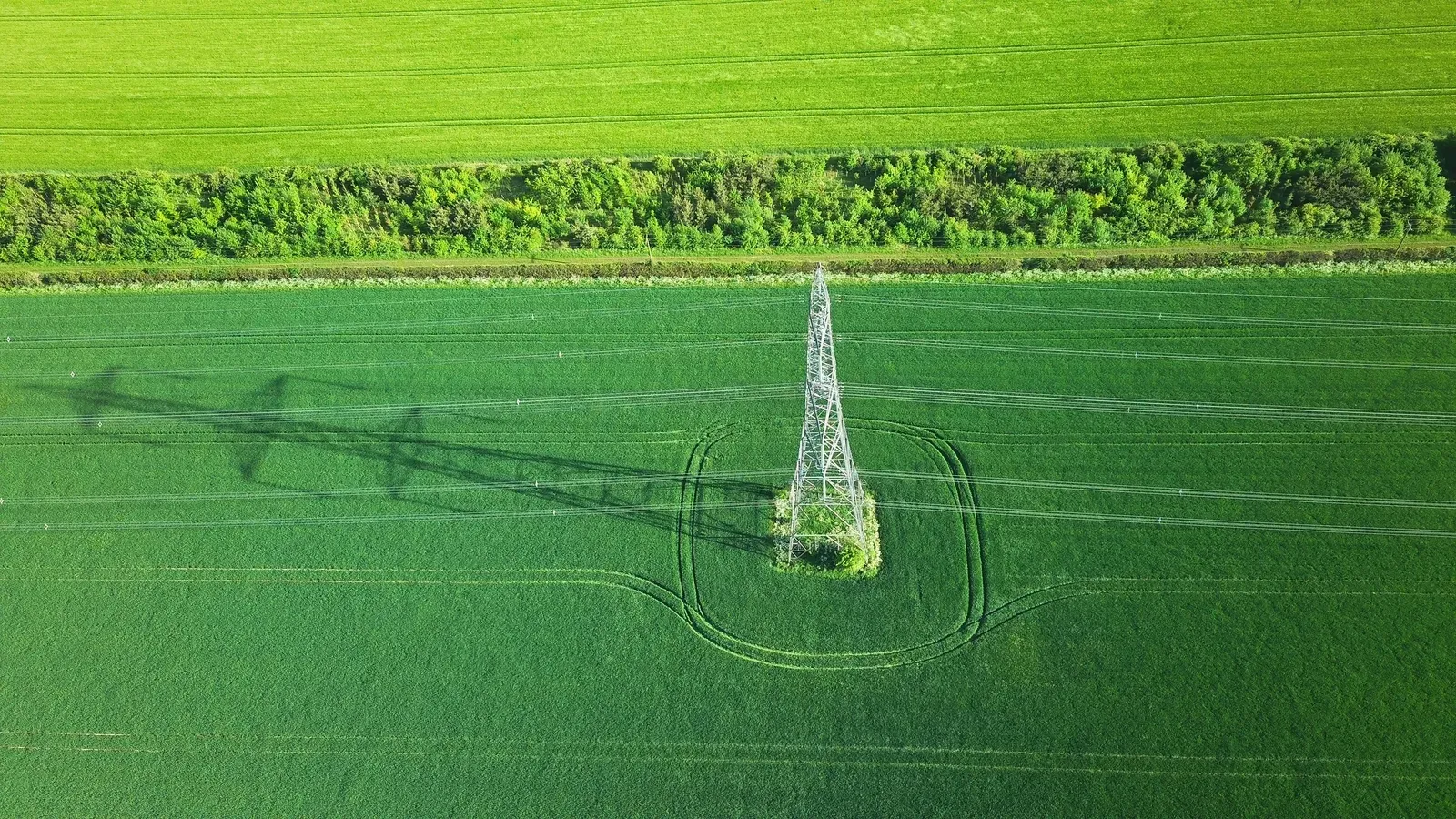
Foto: Altaf Shah / Pexels

Foto: WASSIM AHMED / Pexels

Foto: Red Shuheart
Airworthiness Requirements for FAA Part 108 BVLOS Operators
FAA Part 108 BVLOS introduces a very helpful approach to airworthiness. It does not force every BVLOS-capable aircraft through full Part 21 type certification. Instead, the FAA proposes a permit structure. This structure is directly linked to operational risk. This means airworthiness approval under the new framework is more flexible. However, it also creates a new dependence on manufacturers and their detailed compliance data packages.
Platforms like the Skydio X10, Wingcopter 198, or Percepto Air Max may qualify differently. This depends on the operational category chosen by the operators. A key detail often missed is that manufacturers, not operators, usually hold much of the permit documentation. If a vendor leaves the market, this regulatory burden can quickly become a major operational problem. Therefore, successful operators should evaluate manufacturer commitments well before the final rule takes effect.

Foto: Cọ Sơn Thanh Bình / Pexels

Foto: Ty Dennis / Unsplash

Foto: Tembela Bohle
Why Third-Party Service Suppliers Matter for FAA Part 108 BVLOS Operators
FAA Part 108 BVLOS formally brings FAA-recognized Third-Party Service Suppliers (TPSS) into the operational system. These organizations offer specialized services. Individual operators often cannot build these internally for compliance. Services include conformance monitoring, supplemental surveillance, weather intelligence, and UTM support. For BVLOS operators, TPSS providers will likely become a permanent part of daily operations.
Many operators underestimate how much future BVLOS operations will rely on external service providers. Under the new regulation, operators may increasingly depend on TPSS platforms. These platforms handle critical functions like surveillance, airspace awareness, conformance monitoring, and operational coordination. Therefore, commercial operators should expect TPSS subscriptions to be a regular operational expense.

Foto: Samon Yu / Pexels

Foto: Sieuwert Otterloo / Unsplash
How Part 107 Operators Transition into FAA Part 108 BVLOS
There has been concern among Part 107 operators. They worry that the introduction of FAA Part 108 BVLOS might reduce the value of their current certifications. However, the NPRM suggests otherwise. Part 107 will remain the basic framework for visual line-of-sight commercial operations. The main change is how operators get BVLOS authority.
Under the new framework, many drone operators will move to a flight coordinator model. This is different from the traditional remote pilot model. For experienced operators, this change should be manageable. The biggest challenge will be mastering risk management, automation oversight, and operational systems. It will not be about basic flight skills. This shift highlights a more strategic and systematic approach to drone operations under the FAA Part 108 BVLOS framework.
The FAA Part 108 BVLOS Compliance Checklist for Operators
Proactive operators are already preparing for the final rule. Here is a full compliance checklist for FAA Part 108 BVLOS:
•Audit Your Fleet: Check your current drone fleet against the likely permit categories.
•Manufacturer Support: Talk to manufacturers. Confirm their plans to support certification pathways for operators.
•Safety Management System (SMS): Set up a strong Safety Management System.
•Pre-select TPSS Providers: Choose suitable Third-Party Service Suppliers in advance.
•Document BVLOS Experience: Start recording BVLOS experience for pilots and future flight coordinators.
•Review Insurance Coverage: Make sure your insurance covers BVLOS operations.
•Develop Vendor Contingency Plans: Create plans to handle risks from vendor changes or exits.
•Evaluate Detect-and-Avoid Requirements: Understand and prepare for the necessary detect-and-avoid technologies.
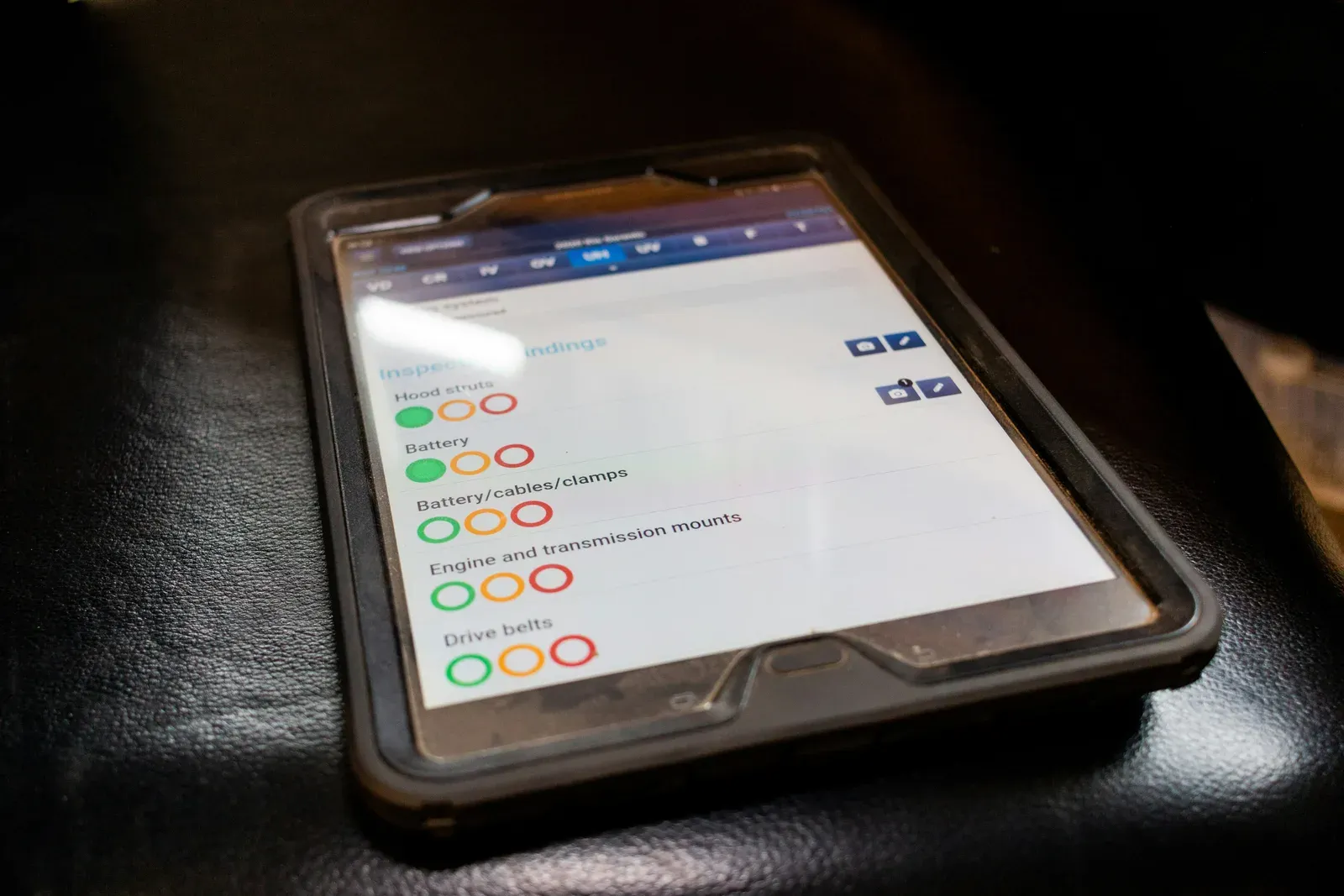
Foto: Dylan McLeod / Unsplash

Foto: Caleb Oquendo
Operators who prepare early will gain a big competitive edge once the new rule becomes effective.

Foto: Filip Živaljić / Unsplash
The Honest Assessment for Operators Regarding FAA Part 108 BVLOS
FAA Part 108 BVLOS is not the deregulation many operators hoped for. Instead, it creates a real certification framework. This framework comes with true compliance obligations and operating costs. However, it also ends the "waiver lottery" that has frustrated commercial operators for years. Operations like infrastructure inspection, drone delivery, and large-scale mapping will become much easier to scale. This is thanks to a stable and predictable regulatory structure provided by FAA Part 108 BVLOS.
Smaller operators might struggle with compliance costs. Larger operators will likely benefit from the consistent regulations and scalability that the new rule offers. The biggest winners will be operators who embrace detailed documentation, strong safety systems, regulatory discipline, and long-term operational planning. Successful operators will see compliance as a competitive advantage. Some may only meet minimum rules. But the most effective operators will use FAA Part 108 BVLOS as a base. They will build scalable and repeatable BVLOS operations.
Key Takeaways for Operators on FAA Part 108 BVLOS
•Operational Categories: The new framework introduces four distinct operational categories. Operators must know their main revenue sources to make smart compliance investments.
•Airworthiness & Manufacturers: Airworthiness approval will increasingly rely on manufacturer-supported permits. This makes vendor selection a strategic choice.
•Third-Party Service Suppliers: TPSS will be a key part of the operational stack for BVLOS operators.
•Part 107 Relevance: Part 107 remains important. However, operators should immediately start documenting their BVLOS experience.
•Early Preparation: Commercial operators should prepare now. Do not wait for the final rule to take effect.
Operators who prepare early will be best positioned to grow fast once FAA Part 108 BVLOS is fully implemented.