Part 108 NPRM: What the FAA's BVLOS Rule Actually Changes for Commercial Operators
Move past the press-release summaries and dissect what Part 108's airworthiness acceptance, operator certification tiers, and right-of-way provisions mean for pipeline, utility, and survey fleets currently flying on stacked waivers.
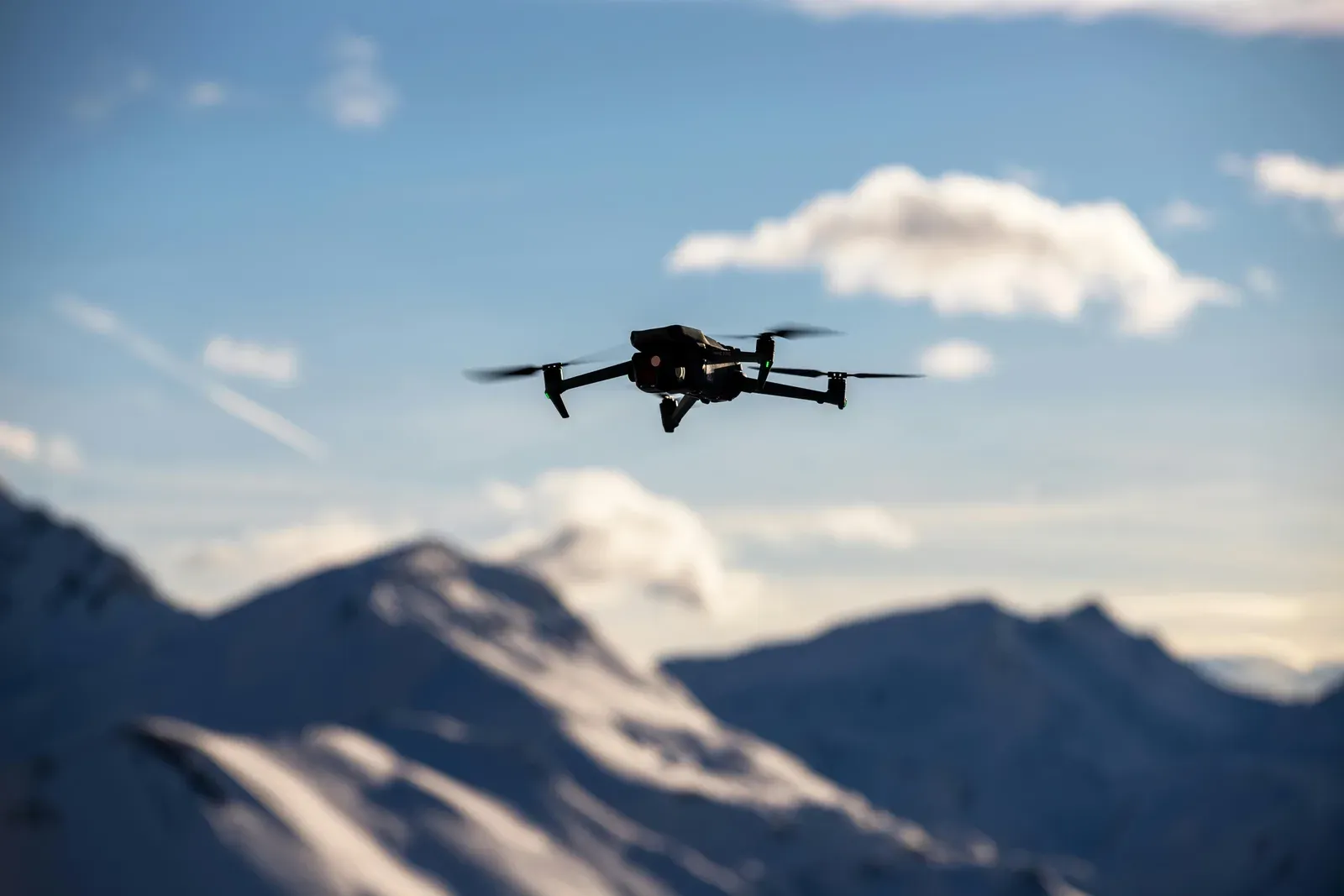
The FAA Part 108 and BVLOS framework represents a major shift in how drone operations beyond visual line of sight will be regulated in the United States. For years, companies relied on a patchwork of waivers, exemptions, and special approvals to fly beyond visual range. That system worked, but it was slow, expensive, and difficult to scale.
Now, FAA Part 108 proposes something very different. It introduces a permanent structure designed specifically for routine BVLOS operations. This change matters because it directly affects how drones are built, certified, and used across industries like energy, logistics, inspection, and mapping.
What FAA Part 108 and BVLOS Actually Changes
At its core, FAA Part 108 replaces temporary permissions with a standardized regulatory system.
Instead of applying for individual waivers for each mission, operators would follow a defined framework based on risk and operational category.
This shift brings three major improvements:
- Faster approval processes
- Clear operational categories
- More scalable drone programs
In practice, this means companies can plan long-term BVLOS operations instead of negotiating approvals case by case.

Foto: Airam Dato-on
Why This Regulation Matters for the Industry
The drone industry has grown quickly, but regulation has not kept up. Most advanced BVLOS operations today exist in a limited environment, restricted by administrative complexity.
FAA Part 108 changes that balance.
It allows BVLOS to move from experimental operations to structured commercial activity. This is especially important for industries that depend on long-range drone flights, such as infrastructure inspection and energy monitoring.
The result is not only regulatory simplification. It is operational expansion.
The Three Core Pillars of FAA Part 108
The entire framework is built on three foundations.
1. Airworthiness Acceptance
Instead of full traditional certification, manufacturers can demonstrate compliance with accepted technical standards. This reduces time and cost for approval.
2. Risk-Based Operator Structure
Operators are classified according to the level of operational risk. Lower-risk operations follow simpler rules, while higher-risk missions require stronger oversight.
3. Airspace Coordination Rules
The regulation defines how drones interact with crewed aircraft below 400 feet. In some shielded environments, drones may even have operational priority.
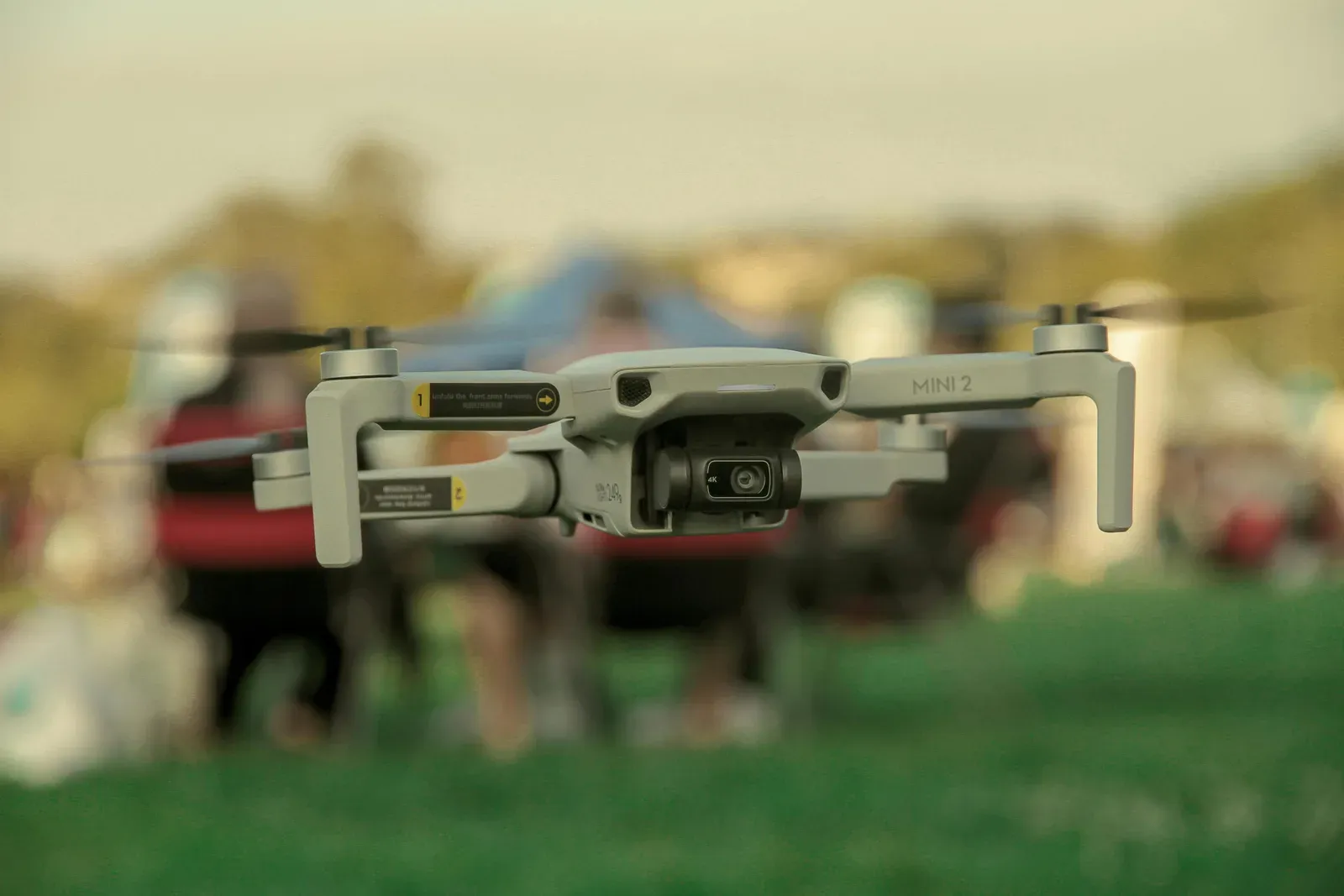
Foto: WASSIM AHMED
How Operators Will Be Certified
FAA Part 108 introduces two main operational categories.
Operational Permit
This category is designed for lower-risk missions. It includes operations such as rural inspections, infrastructure monitoring, and controlled corridor mapping.
Operators in this category must maintain manuals, safety procedures, and designated responsible personnel. However, the process is more accessible compared to traditional aviation certification.
Full Operational Certificate
This category applies to more complex operations, including urban drone delivery, autonomous flight systems, and high-density BVLOS missions.
These operations require stronger oversight, structured training programs, and periodic audits. The regulatory expectations are closer to commercial aviation standards, but still more flexible than traditional aircraft certification.

Foto: MART PRODUCTION
What This Means in Real Operations
In practice, FAA Part 108 forces companies to rethink how they structure their drone programs.
Fleet planning is no longer just about hardware. It now depends on regulatory compatibility, safety systems, and compliance strategy.
Operators must consider:
- Whether their aircraft meet accepted standards
- Whether detect-and-avoid systems are required
- How each mission is classified by risk
- How documentation supports compliance
This affects every major drone application, from industrial inspection to logistics.
Technology Becomes Mandatory, Not Optional
One of the most important shifts is technological.
Systems like detect-and-avoid, redundant sensors, and secure communication links move from optional upgrades to operational requirements.
This raises the baseline for all BVLOS operations. It also pushes manufacturers to align their systems with regulatory expectations from the start.
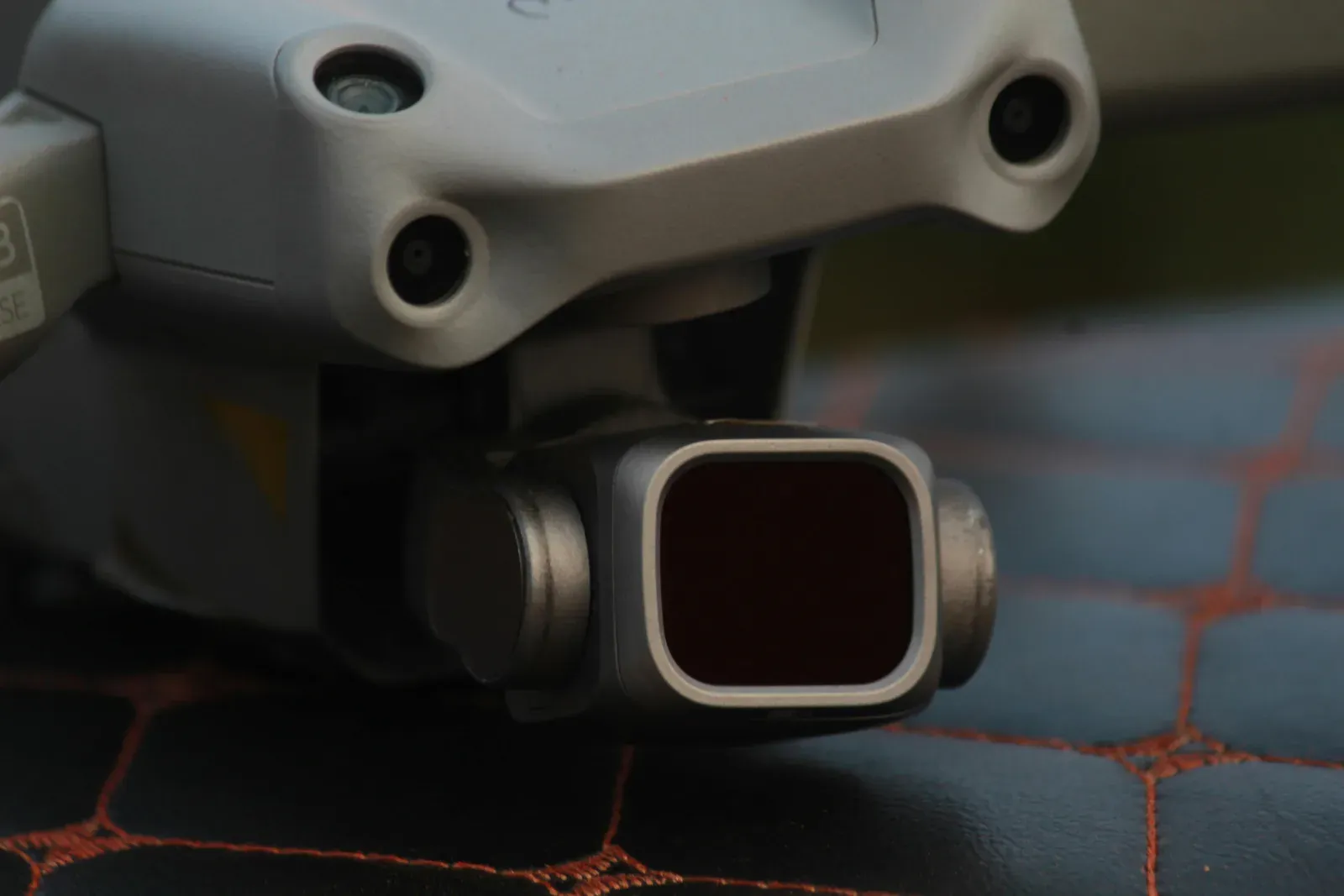
Foto: Lenskachakkar
Global Impact of FAA Part 108 and BVLOS
Although this is a U.S. regulation, its influence is global.
Other aviation authorities often align their frameworks with FAA standards. As a result, FAA Part 108 is likely to shape international BVLOS regulation in the coming years.
This may accelerate:
- Standardization of drone rules globally
- Growth of cross-border drone services
- Investment in autonomous aviation systems
Training and Market Opportunities
As regulation becomes more structured, demand for qualified professionals increases.
New roles emerge in:
- BVLOS operations
- Risk management in drone missions
- Regulatory compliance
- Advanced flight planning
Training programs become essential for entering this new market.
Examples include:
- /curso-drones-profissional
- /regulamentacao-rpas-brasil
- /tecnologia-drone-avancada
These pathways prepare operators for a more regulated and professionalized industry.
Challenges Ahead
Despite progress, challenges remain.
The transition from the current waiver system will take time. Manufacturers still need to align with final technical standards. And operators will likely need to re-certify existing operations.
There is also uncertainty about timelines. Full adoption may take several years after final approval.
The Future of BVLOS Operations
BVLOS operations are moving toward becoming a standard part of airspace activity.
In the future, drones will likely perform continuous inspections, automated deliveries, and large-scale environmental monitoring.
What was once experimental is becoming routine infrastructure.
Conclusion
FAA Part 108 and BVLOS represents a structural change in drone regulation. It replaces fragmented approvals with a unified system designed for scale, safety, and efficiency.
For operators and companies, the key message is simple: preparation now determines competitiveness later.
Those who adapt early will operate with more freedom, more efficiency, and stronger market positioning in the next phase of the drone industry.
As BVLOS regulation evolves globally, other frameworks are also reshaping the drone industry. Understanding these changes is essential for operators, training institutions, and service providers preparing for the next phase of commercial drone operations.