The Ag Drone Supply Shock: How the FCC Covered List Is Redrawing Global Spray-Drone Economics
US growers built a 600,000-strong global Agras fleet on Chinese hardware; the December 2025 FCC decision splits the market and forces a real look at domestic alternatives, gray-market imports and EU spray rules.
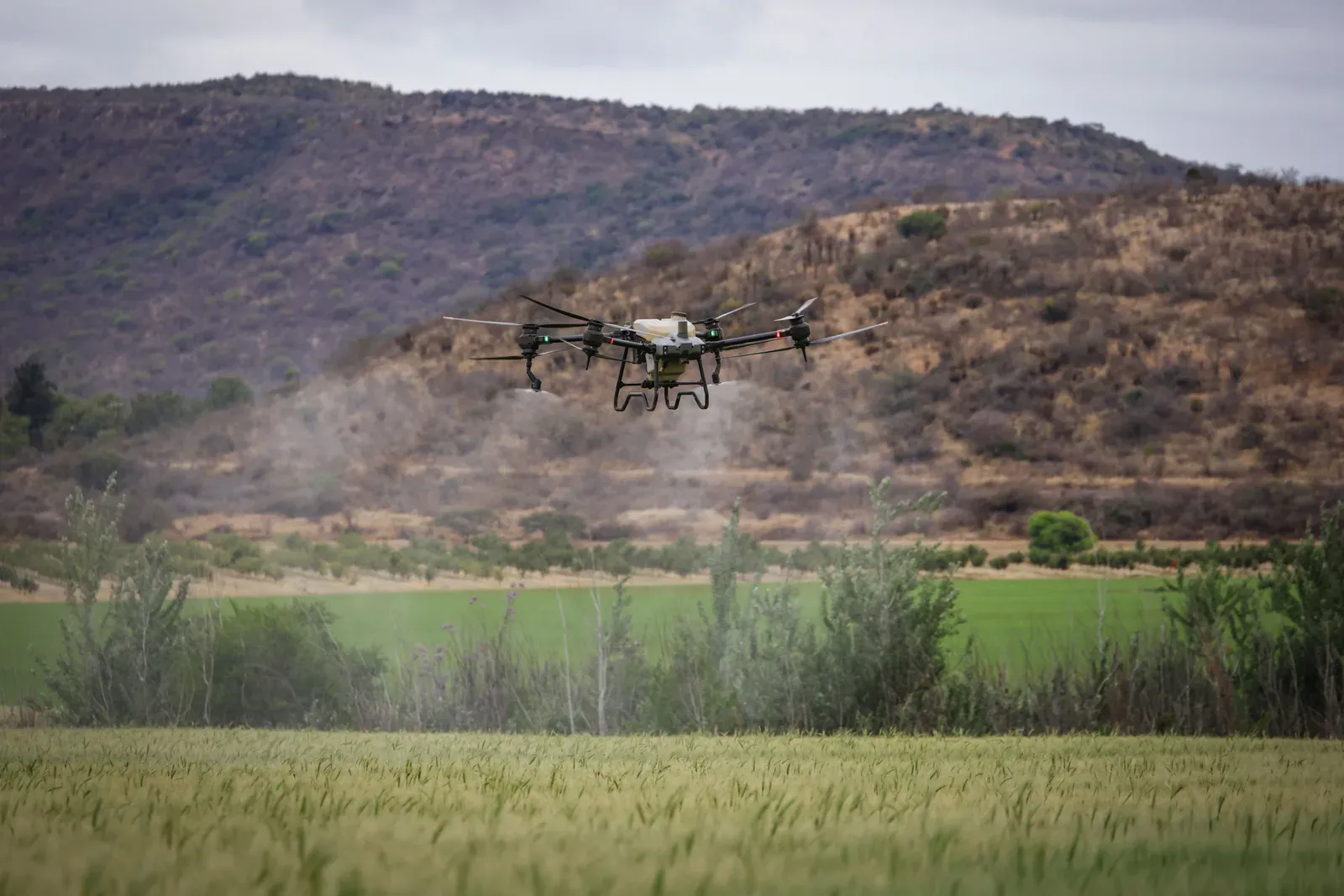
The global DJI Agras fleet reached six hundred thousand units by late 2025. About one-third of these drones spray American fields. In December, the FCC's Covered List decision hit the ag spray drone market hard. It was like a tractor driving through a greenhouse. Growers with five-year loans for T40 and T50 models got worried. They asked if their ag spray drones would get firmware updates in 2027. Dealers stopped giving quotes. The gray market grew active. US and Brazilian assemblers suddenly received many phone calls.
The ag spray drone economy relied on one supplier. That supplier is now politically sensitive in its main export market. No clear Plan B exists yet. This article explains the complex situation.
What the FCC Covered List Actually Does to an Ag Spray Drone
The FCC Covered List bans new radio equipment from certain foreign makers. This is due to US national security concerns. The rule applies to DJI and Autel. These are the top names in agricultural aviation. New models cannot get FCC approval for sale in the US. Existing units can still fly. However, new models cannot be sold legally. This is the simple answer, but the reality is harder.
An ag spray drone is a complex system. It includes a flight controller, RTK base, and remote. It also has a sprayer pump and radar. One unauthorized part can ground the whole drone. The DJI Agras T50 launched in late 2024. It was mid-cycle when the ruling hit. People are now watching the rumored T60. It might debut at the 2026 World Ag Expo. If it fails FCC approval, US users must stick to the T40 or T50.
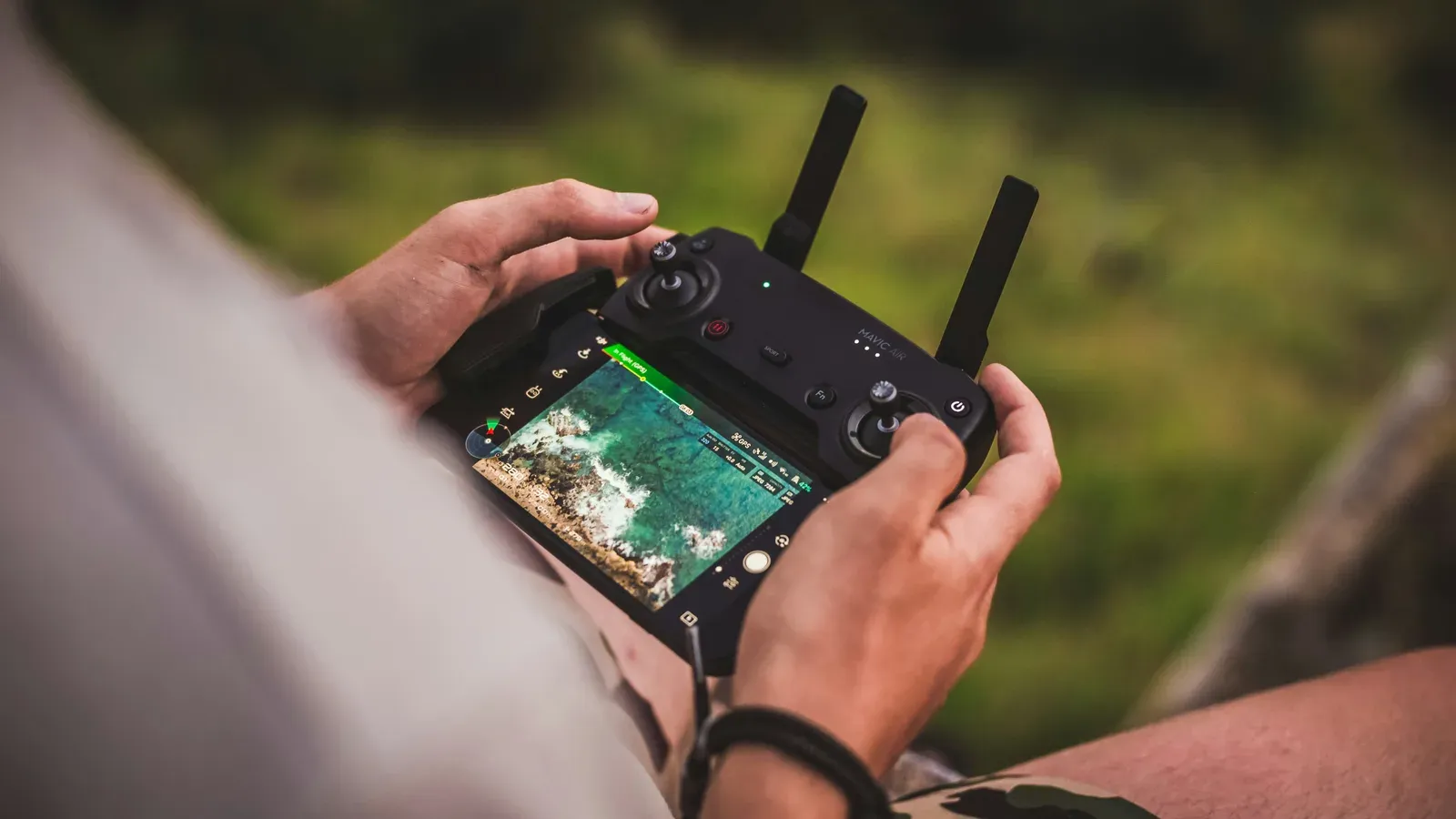
Foto: William Bayreuther / Unsplash
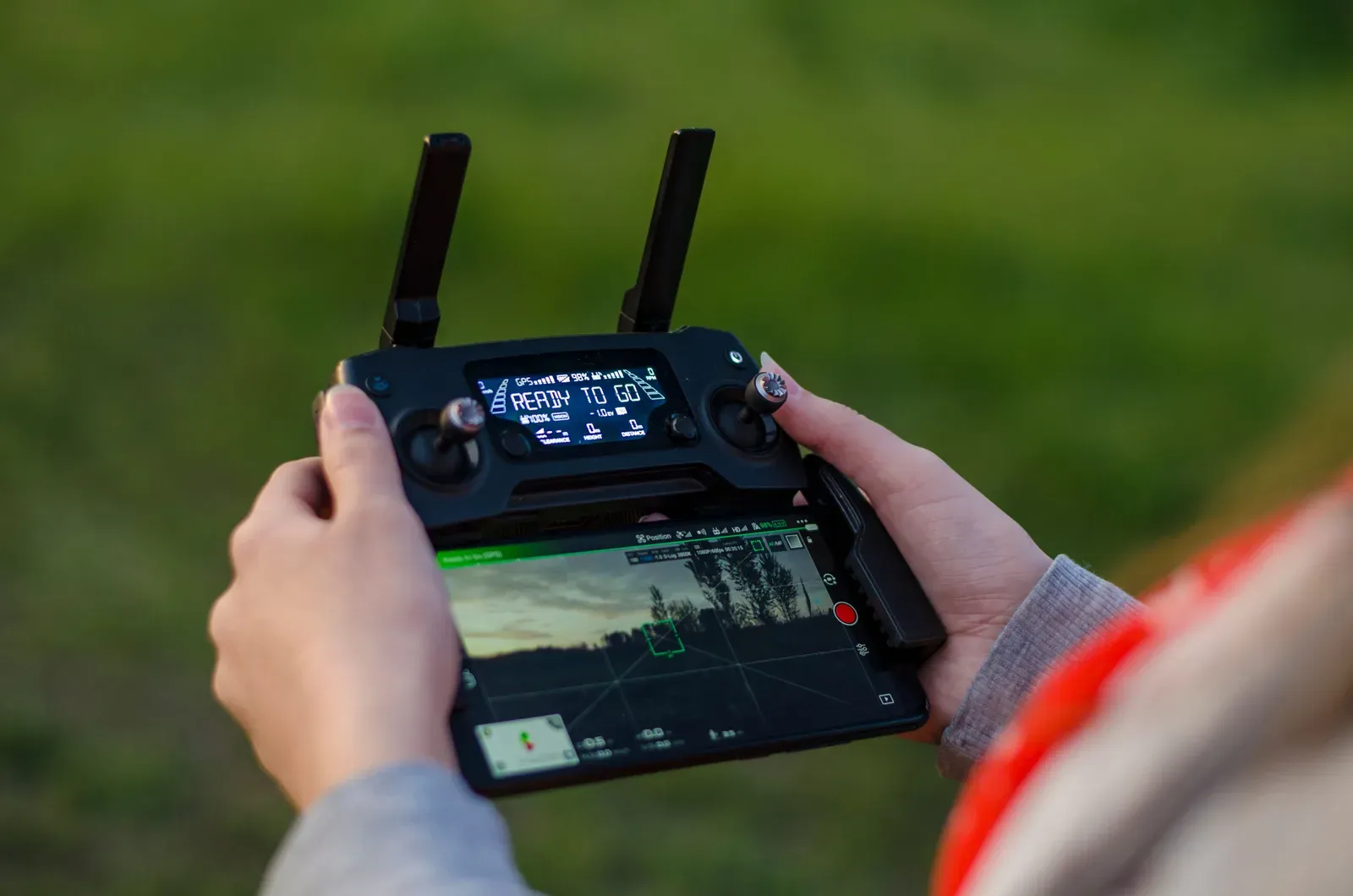
Foto: Dr Failov / Pexels
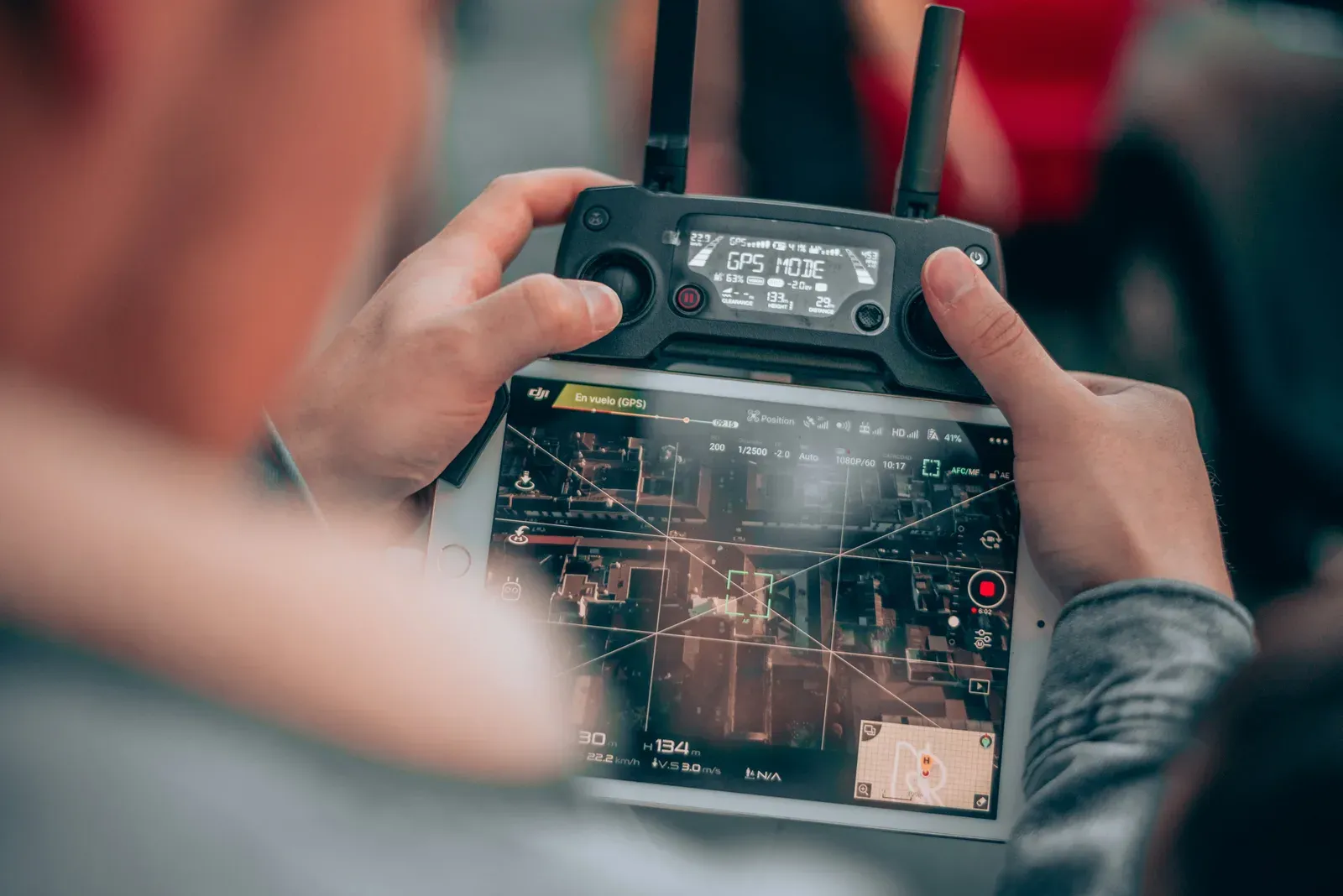
Foto: Miguel Ángel Hernández / Unsplash
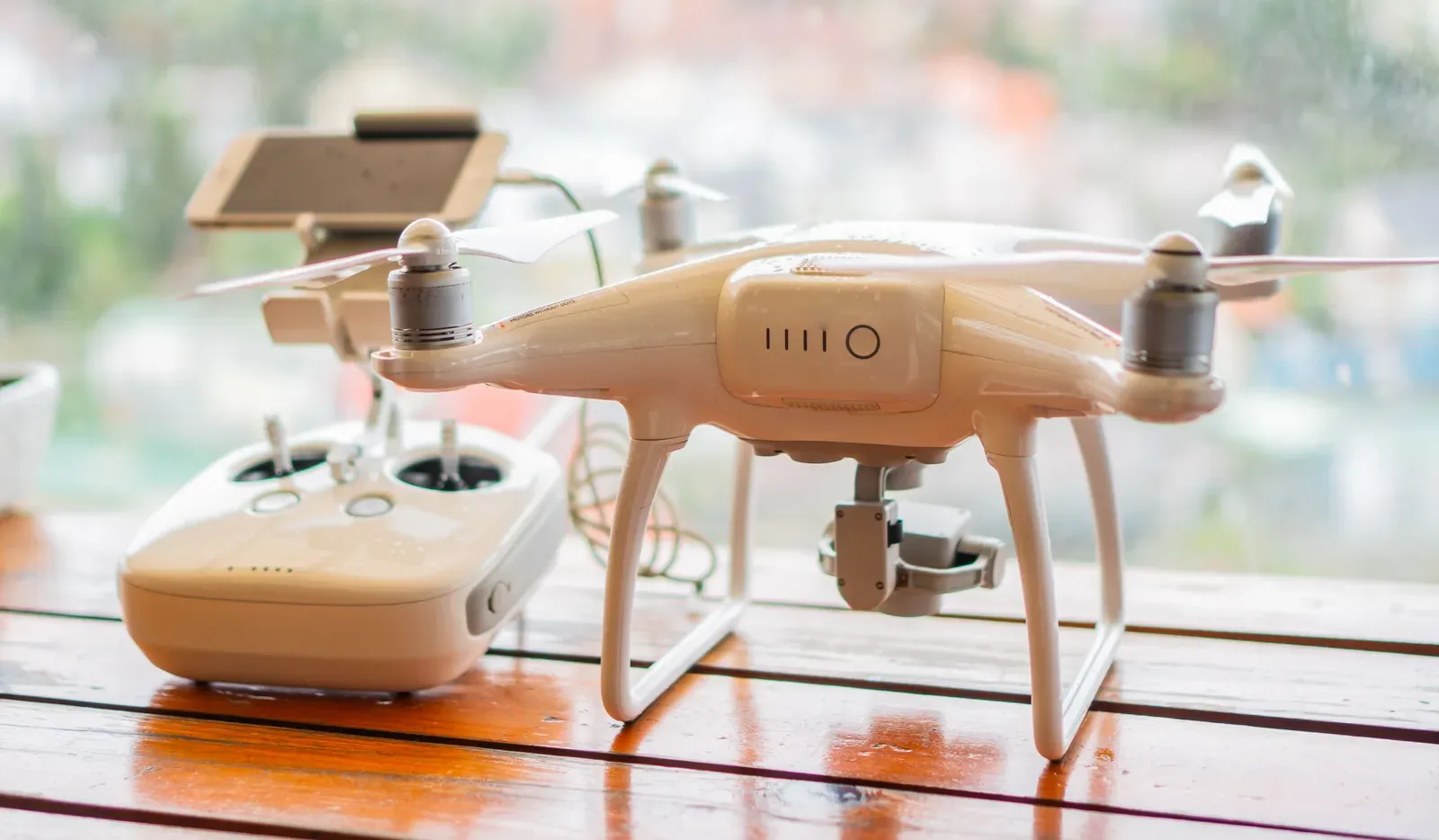
Foto: Lê Minh / Pexels
Remote ID rules and Part 137 exemptions are separate from the FCC. Yet, they are linked. A drone without firmware support often loses Remote ID compliance. This can happen within one season. The FAA will likely enforce this strictly.
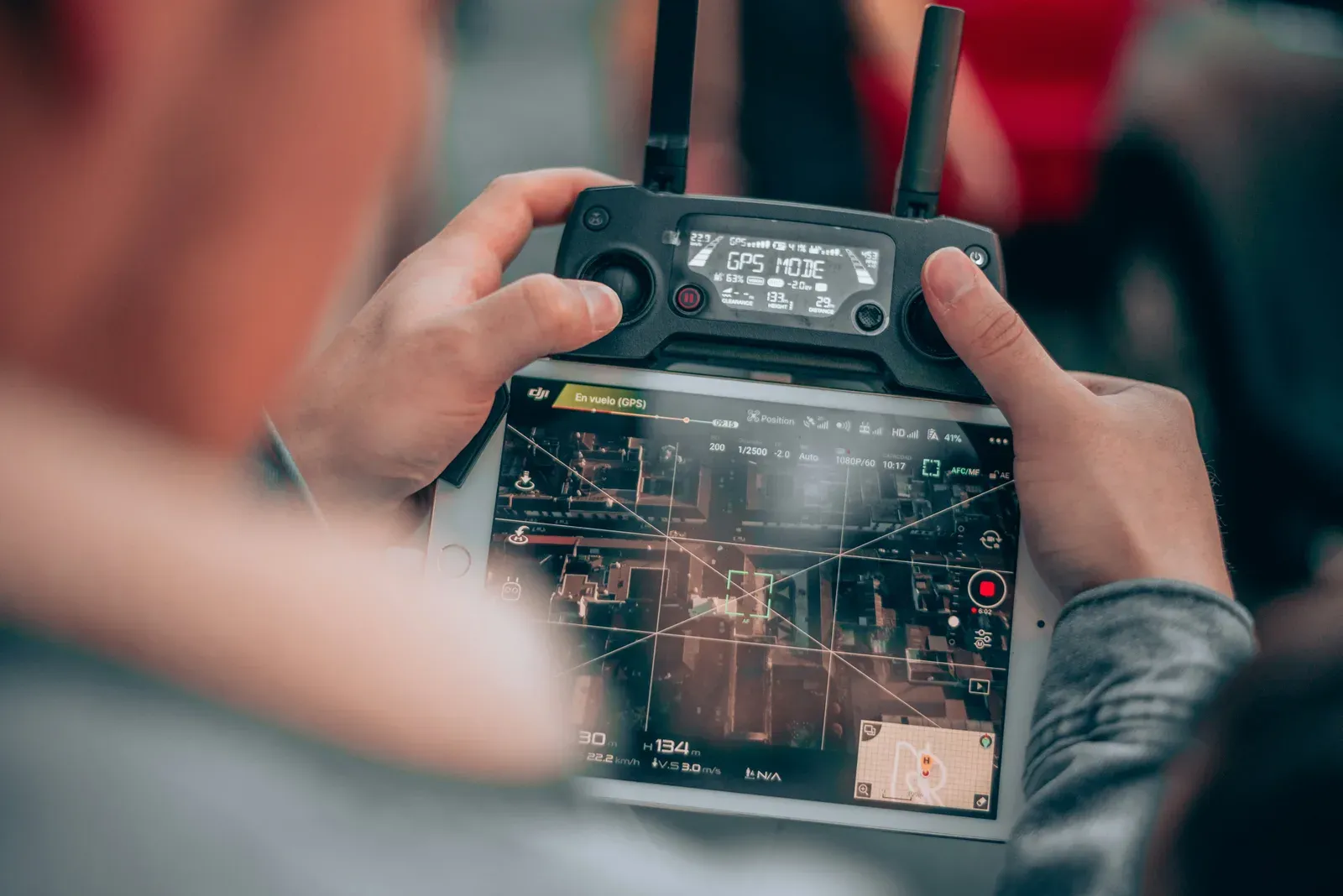
Foto: Miguel Ángel Hernández / Unsplash
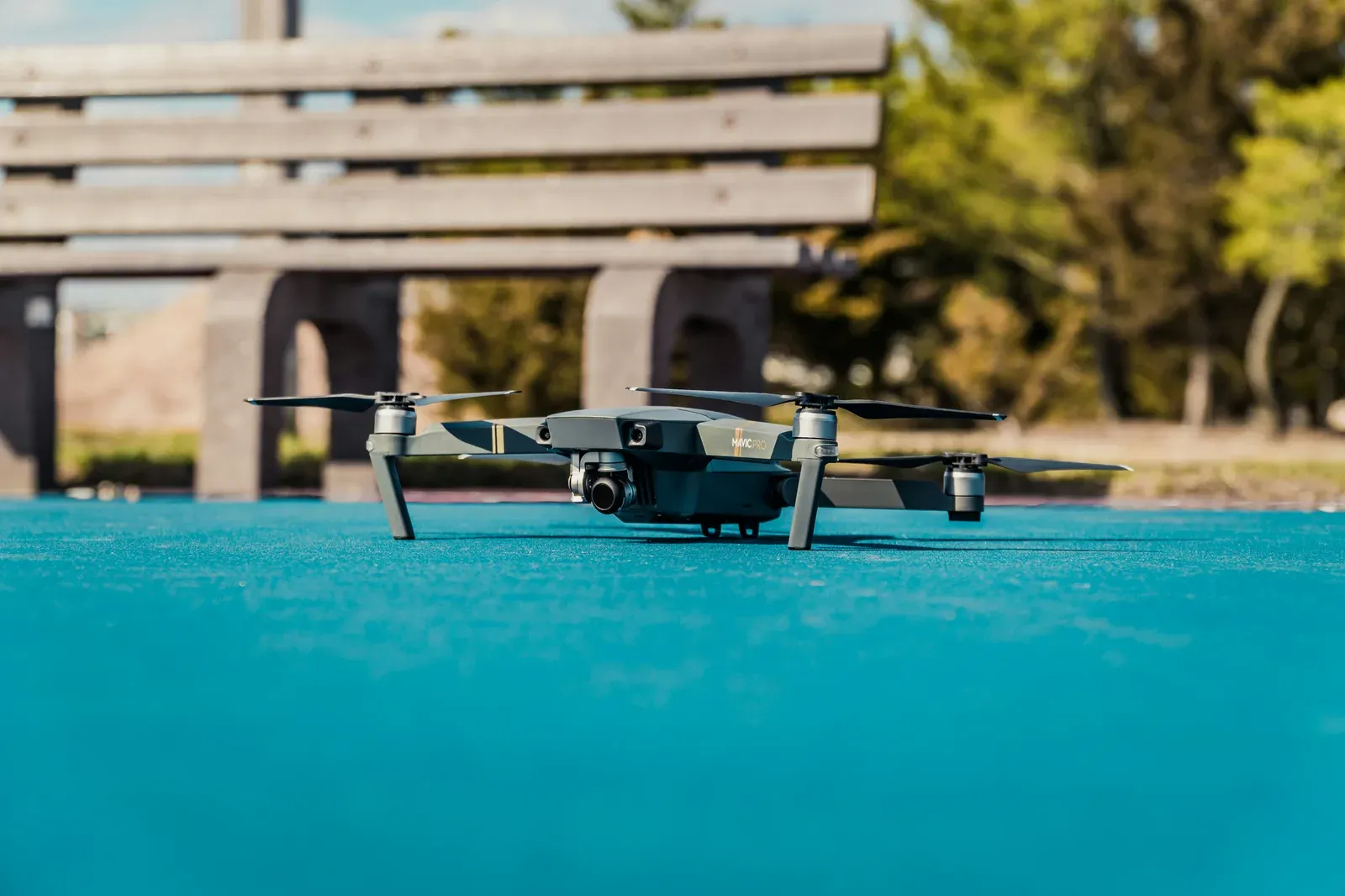
Foto: Martin Sanchez
The 600,000-Fleet Problem: Why This Is Not a Normal Supply Shock for Ag Spray Drones
Most supply shocks end when buyers find new brands. For ag spray drones, switching is very expensive. Also, other options are not ready for large orders. DJI Agras owns 85% to 90% of the global ag spray drone market. XAG is the second biggest name. XAG is also Chinese and faces the same political issues.
Look at the cost to replace a T50 with a Western-made drone:
•DJI Agras T50: About $22,000. It comes ready to fly with two batteries and a charger.
•Hylio AG-272: About $78,000. This is for a 72L setup with a three ag spray drone swarm.
•Guardian Agriculture SC1: Sold as a service. The cost per acre is 2.5 times higher than DJI.
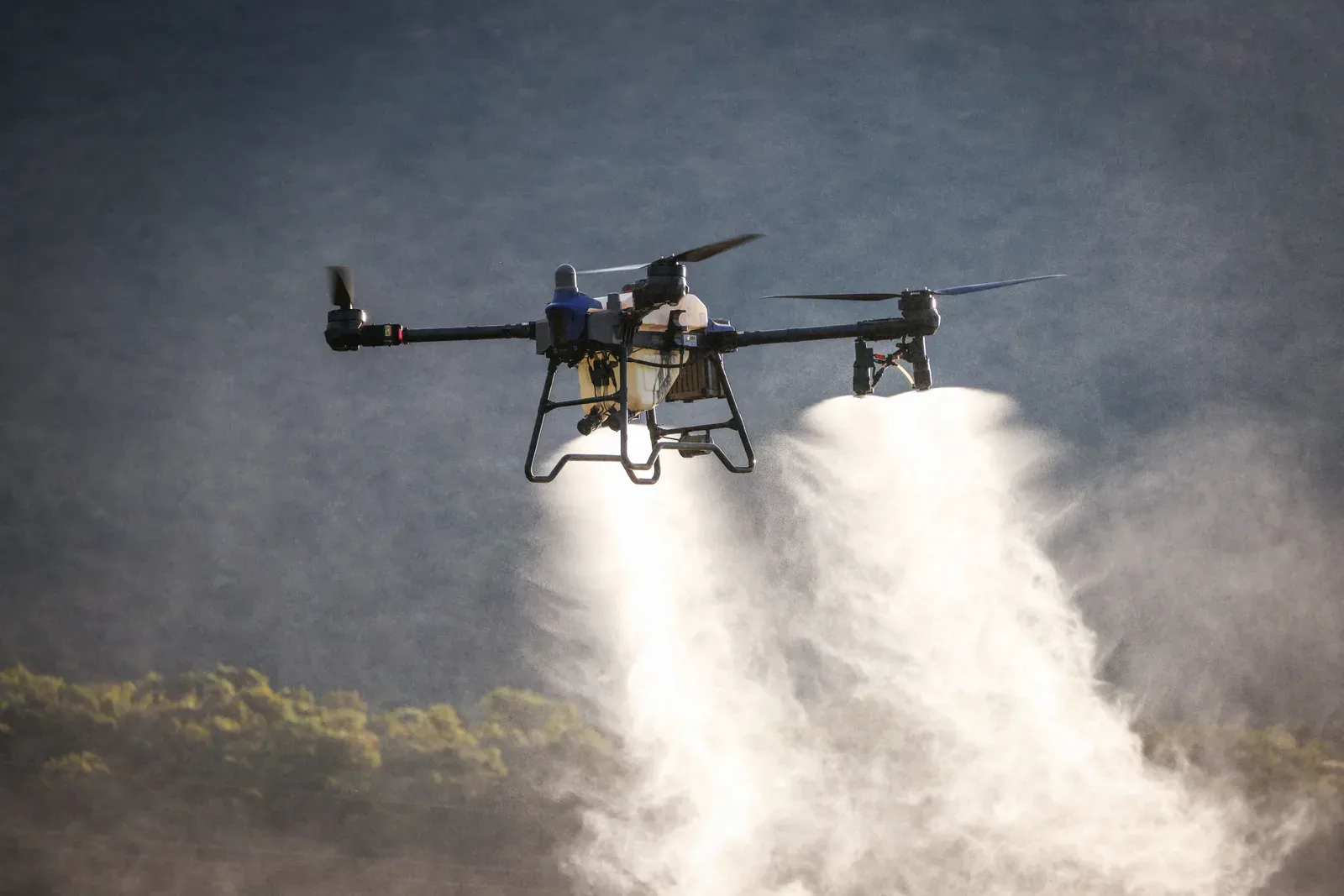
Foto: Magda Ehlers / Pexels
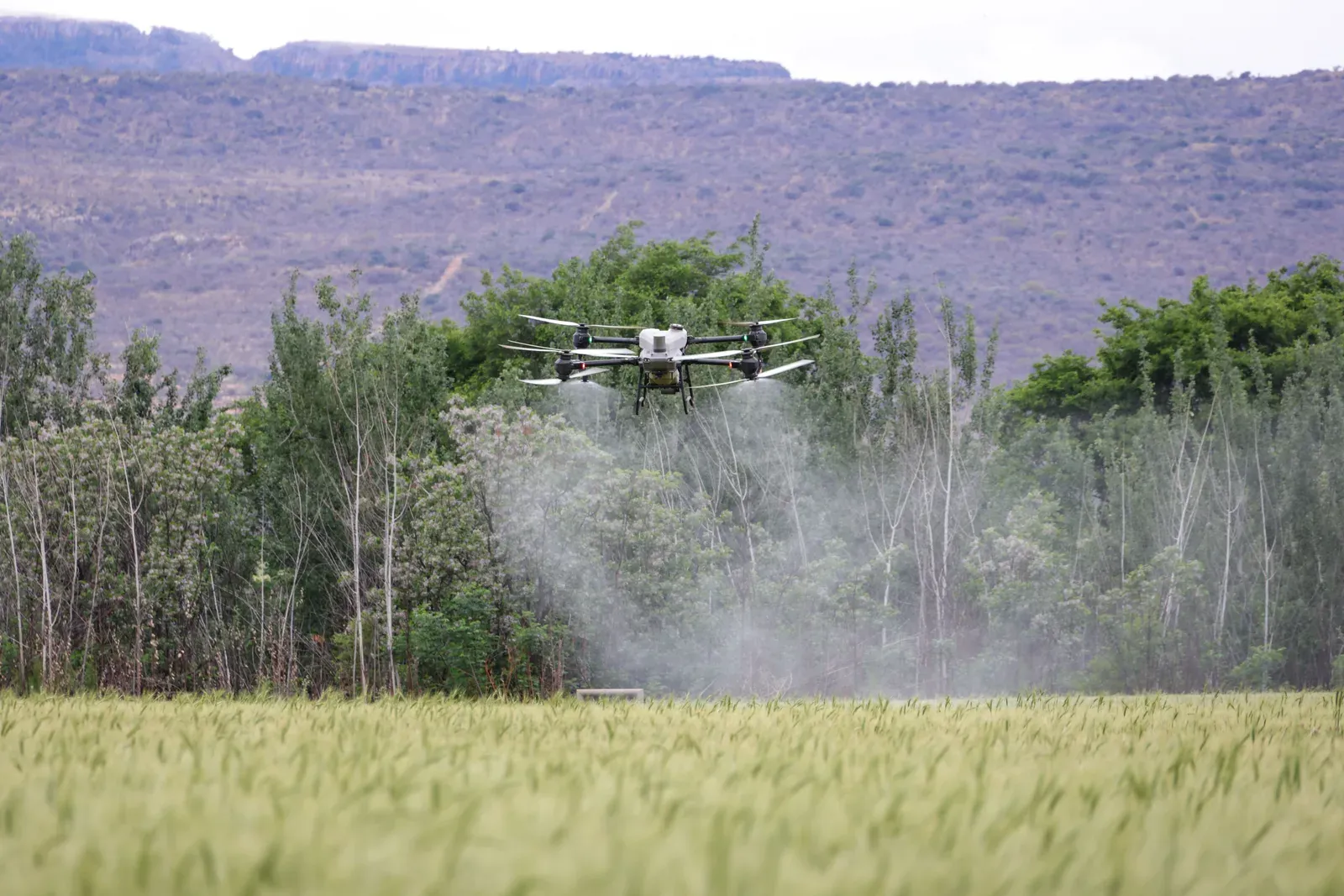
Foto: Magda Ehlers / Pexels
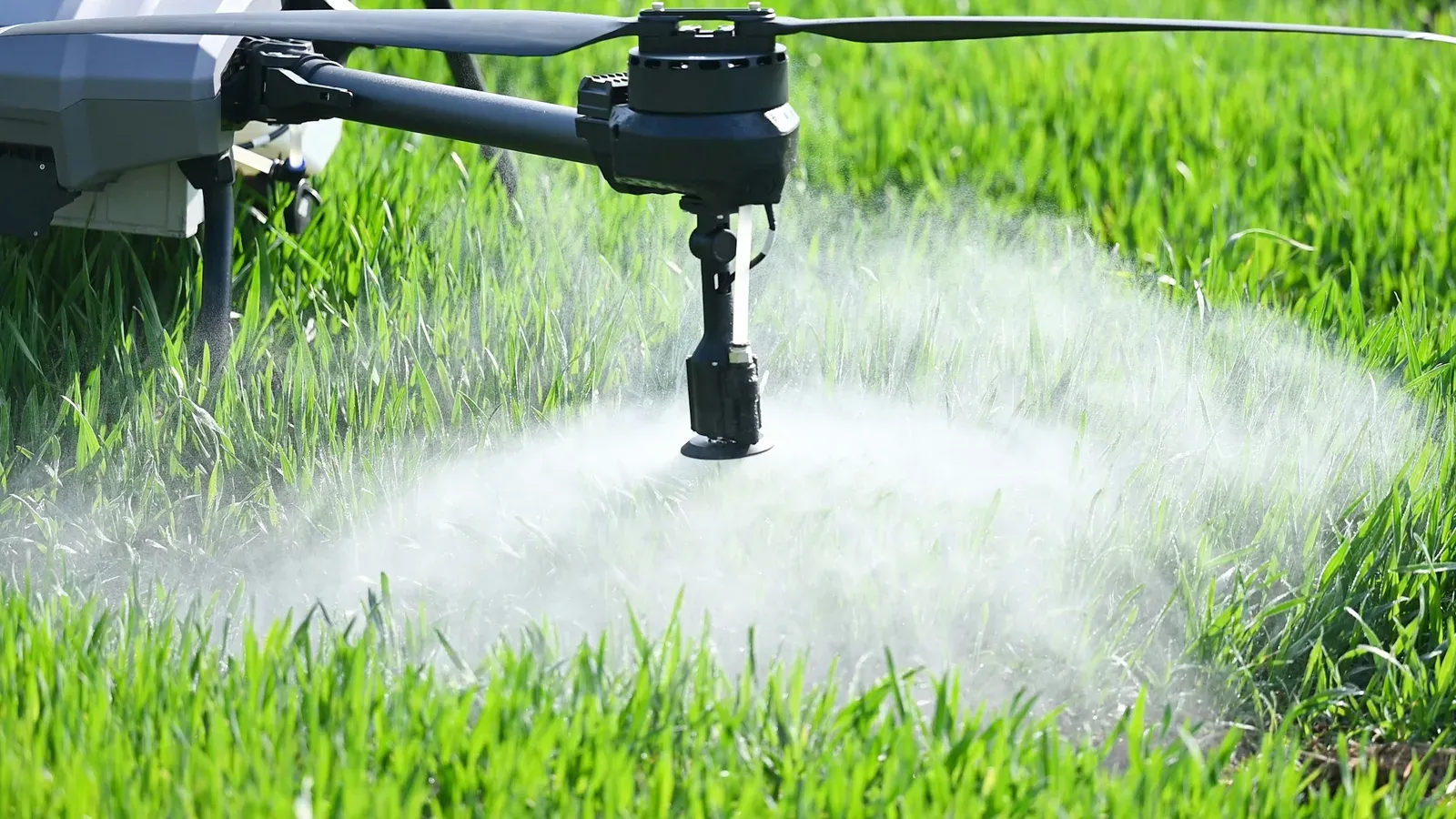
Foto: DRONE EFT / Unsplash
Foto: Loren King / Unsplash
•Pyka Pelican Spray: A fixed-wing drone with a 260-gallon tank. It replaces large planes, not the T50.
The market has no equal choices. Users must pick a $22K drone they might not be able to buy. Or they pick a $78K domestic drone. The domestic option works but costs three times more per acre.
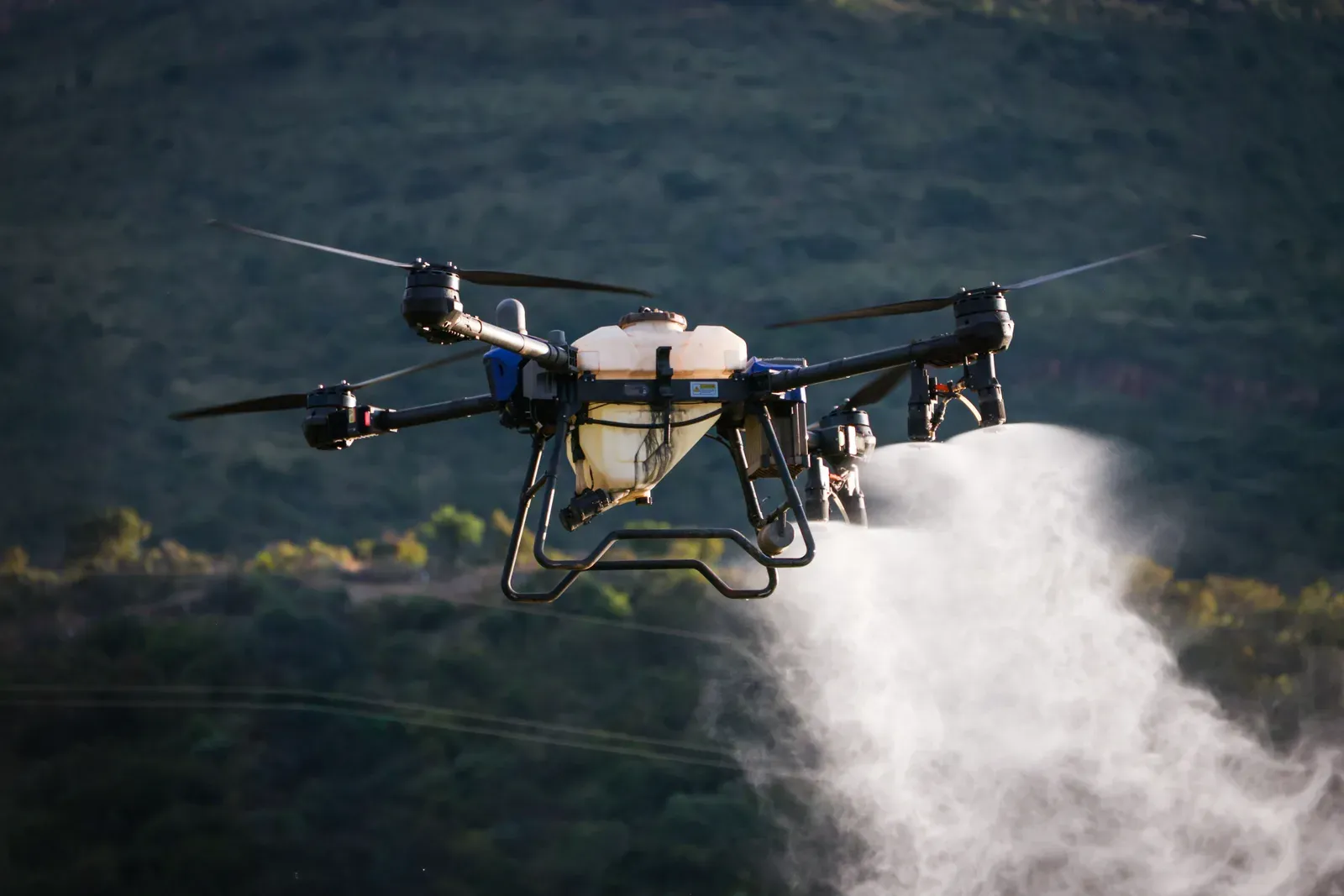
Foto: Magda Ehlers / Pexels
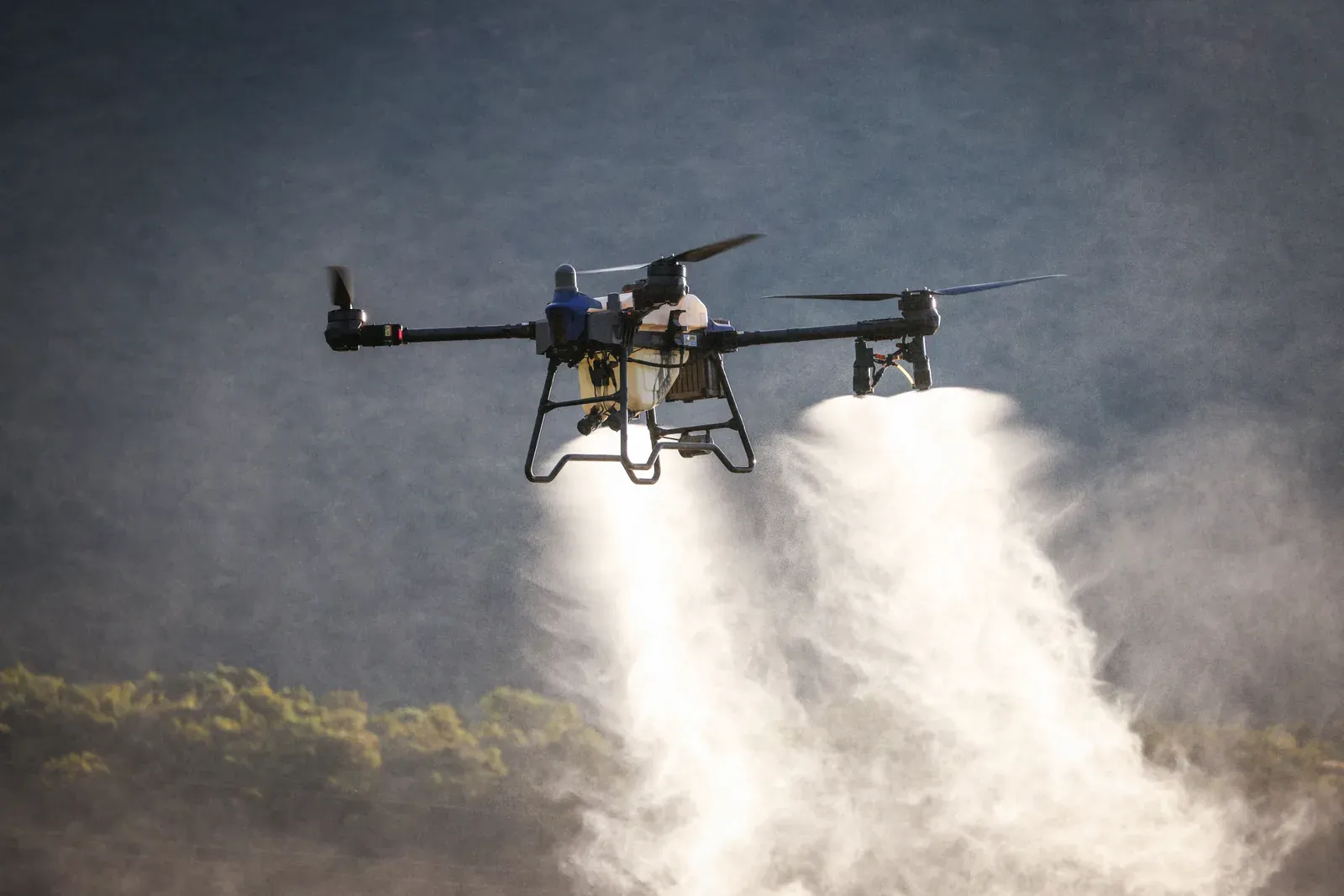
Foto: Magda Ehlers

Foto: K / Pexels
The Gray Market for Ag Spray Drones Is Already Moving
A ban rarely stops aircraft. It just changes their path. After the FCC decision, T50 imports spiked. Brokers labeled them as "agricultural equipment components." These units were first sold in Mexico. Then, they moved north to the US. This is not strictly illegal, but it is not a clean process.
Brazil is the main escape route. Brazilian rules for large drones are easier than US rules. An ag spray drone operator in Brazil can fly a new T50 quickly. They do not need complex exemptions. Chinese makers now send more stock to Brazil. About 40,000 Agras units will land there in 2026. This is up from 22,000 in 2024.
This creates a ripple effect. Parts from Brazil flow north to the US. They help fix T40 and T50 fleets. Official dealer support is fading in the US. This workaround is messy, but it works.

Foto: Gabriel Rodrigues / Unsplash
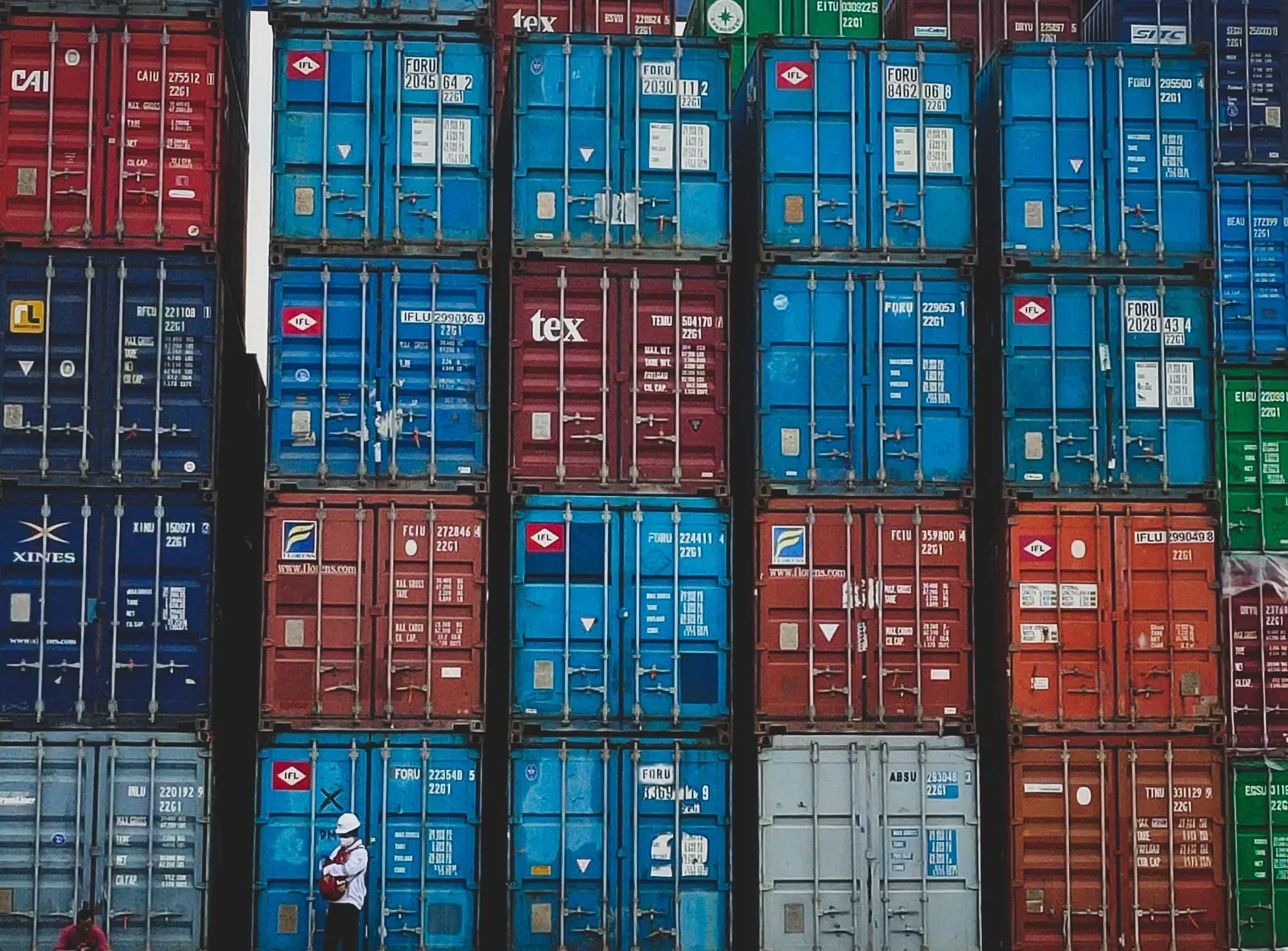
Foto: Fakhri Abbas / Pexels

Foto: Felipe Coelho / Unsplash

Foto: Gabriel Rodrigues / Unsplash

Foto: Tom Fisk
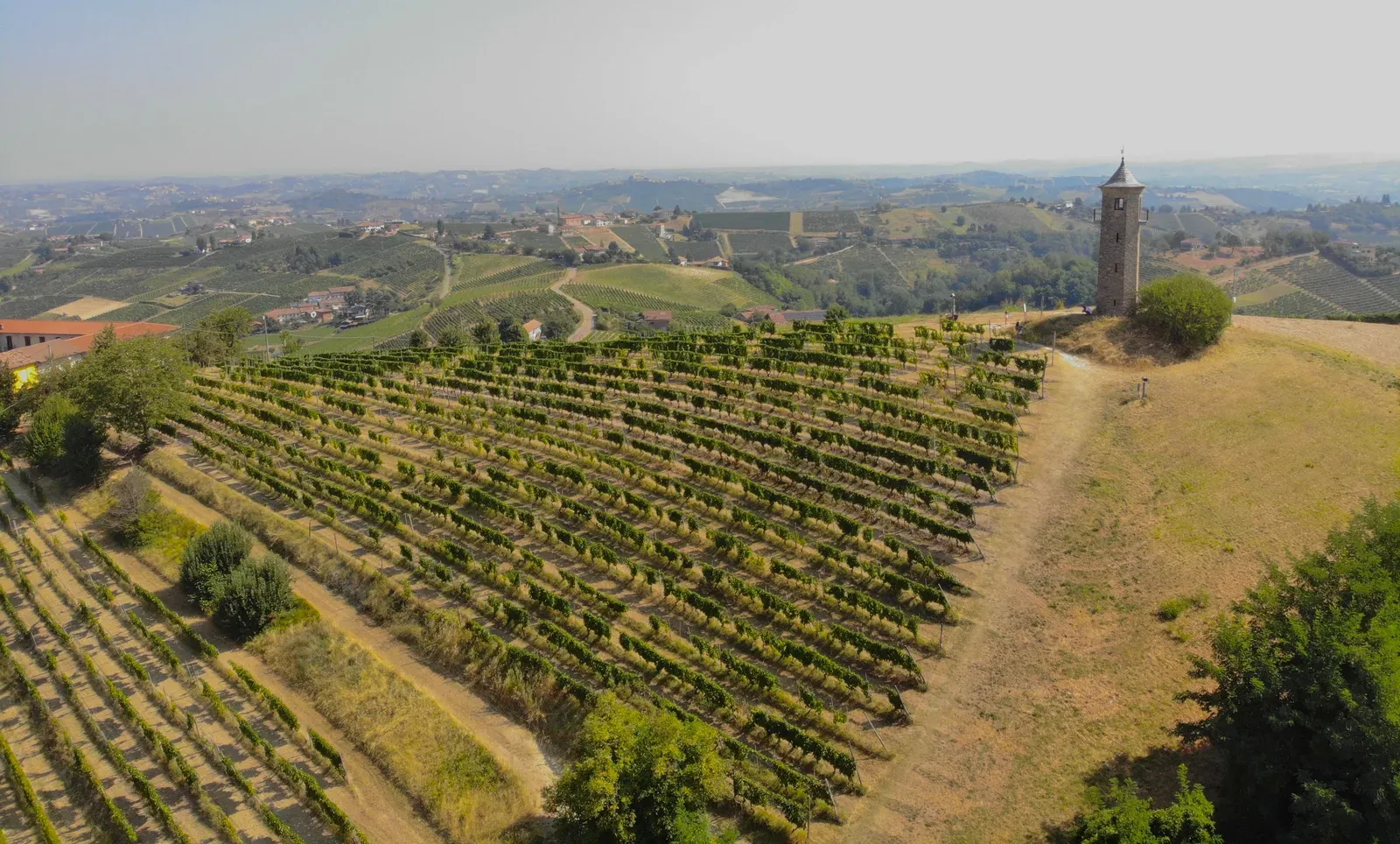
Foto: Manzoni Studios / Pexels
Europe: The Rules Regarding Ag Spray Drones
European growers have mixed feelings. In the EU, the ag spray drone is barely legal. One EU rule limits aerial spraying. Only a few states allow exceptions. Germany uses them for steep vineyards. Switzerland, Spain, and Italy have small programs. There is no big T50 boom in France yet.
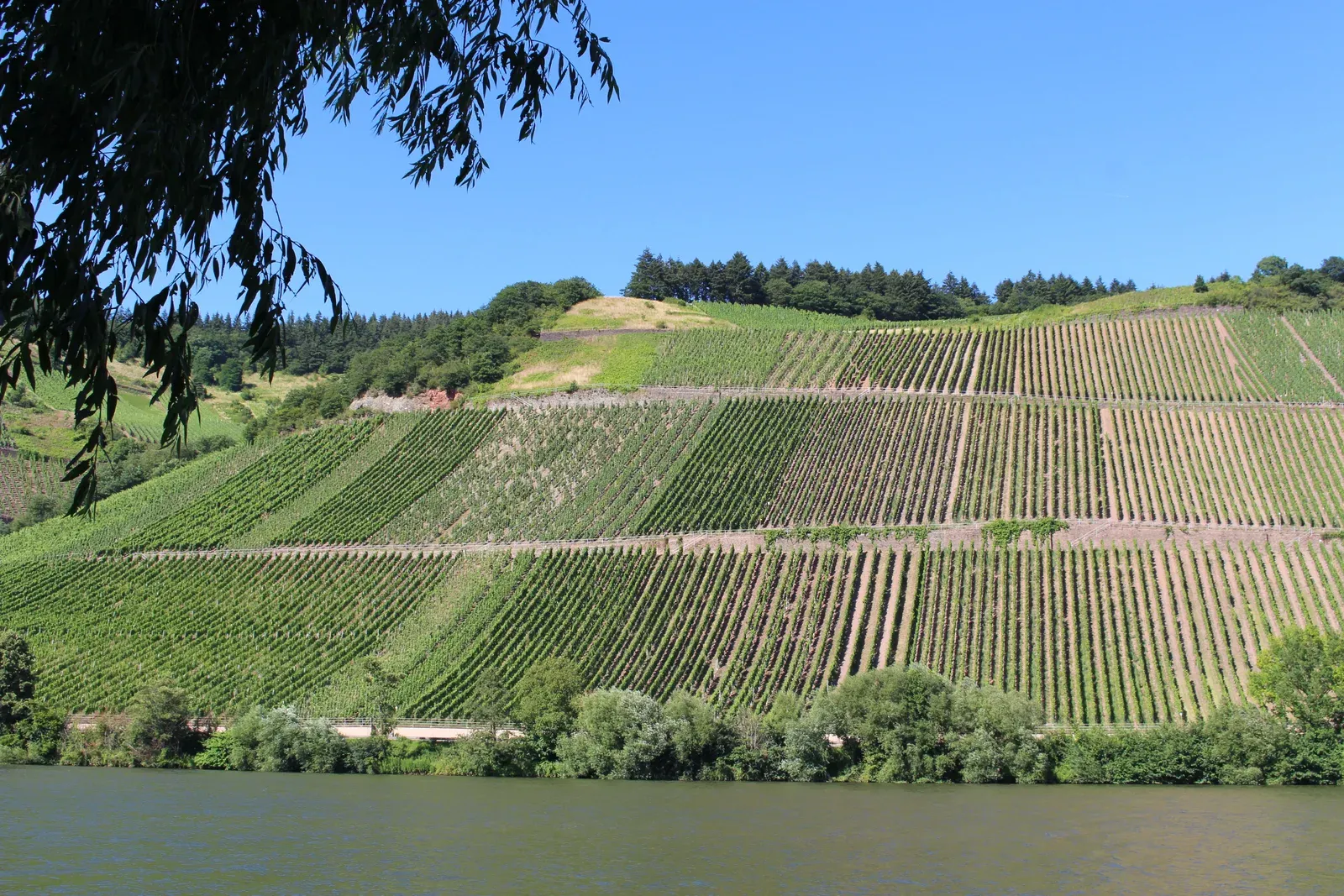
Foto: Fia Marv / Pexels
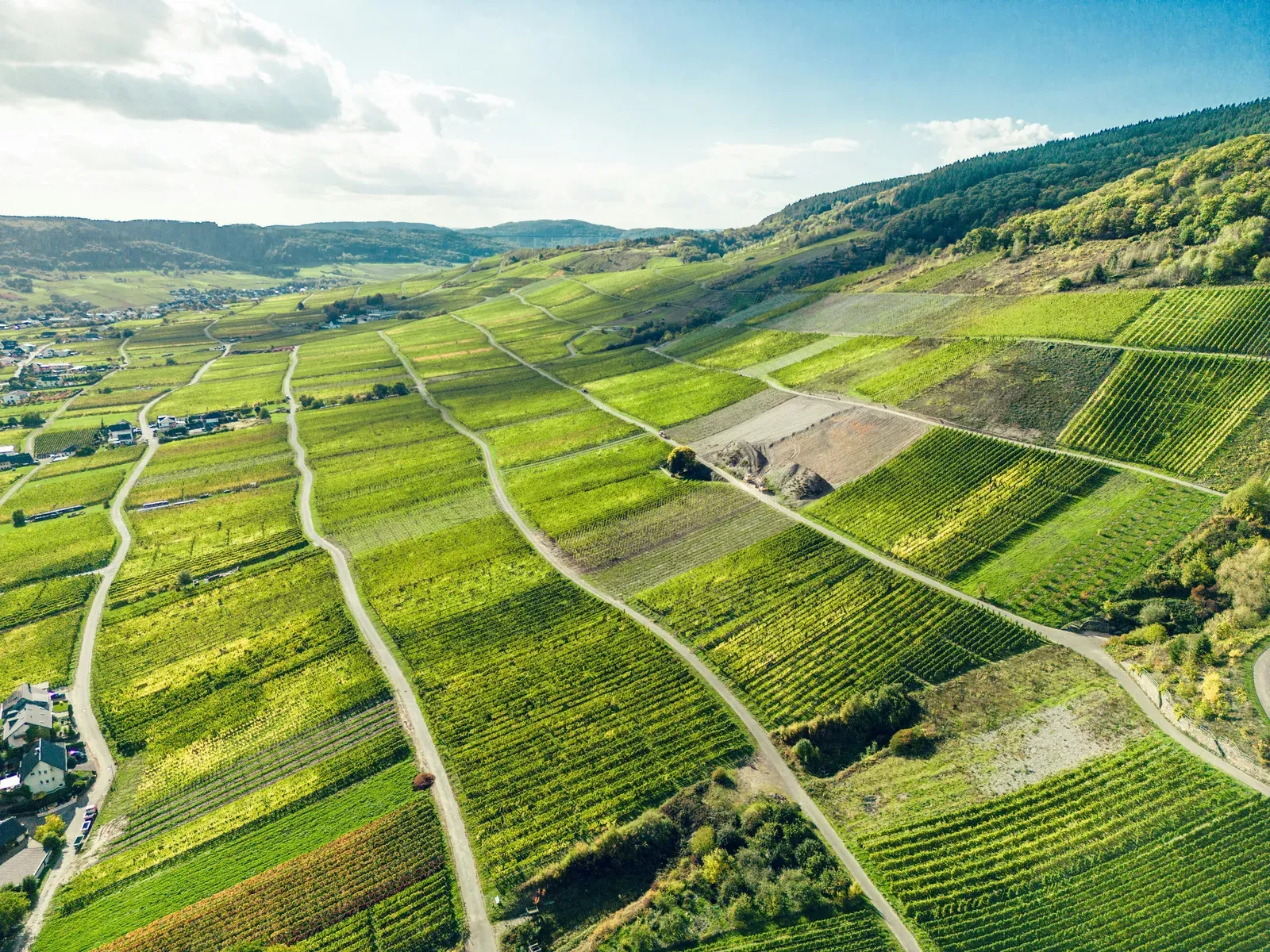
Foto: Chris Weiher / Unsplash
EU rules technically allow some spray flights. In practice, chemical rules are more important. These rules were made for large planes. They do not fit drones well. This might change in 2027. For now, Europe is just watching. This is a shame. Ag spray drones work very well in steep vineyards.
The Domestic Ag Spray Drone Alternatives, Honestly Assessed
US-made ag spray drones are improving. The hardware is almost as good as DJI. However, the software is still a year behind. This is a big gap.
Hylio
Hylio is based in Houston. It got the first FAA rule to fly three drones at once. The AG-272 is a strong ag spray drone. But it is slower than a T50. This is because the software is harder to use. It can be fixed, but it takes time.
Guardian Agriculture
Foto: KNKO Photography / Pexels
The SC1 is very different. It is fully electric and autonomous. It is sold as a service. This is good for big farms that just want results. It is less good for small operators who need flexibility.
Pyka
Pyka makes a different ag spray drone. It is a fixed-wing plane with a huge tank. It targets the niche of large spray planes. It works in banana and almond farms. If costs for old planes rise, the Pelican is a good choice.
What This Means for Ag Spray Drone Economics Through 2027
Prices will split. US users will pay more. They will buy $78K US drones or $35K gray-market DJI drones. In 2024, a T50 was only $22K. Users in Brazil and Asia will still pay low prices. This gives them a cost advantage. US corn and soy farmers will face higher costs.
Chemical companies are also helping. Bayer and others now label more products for drones. This was a big bottleneck. Now, it is moving. More acres can now be sprayed by drones.
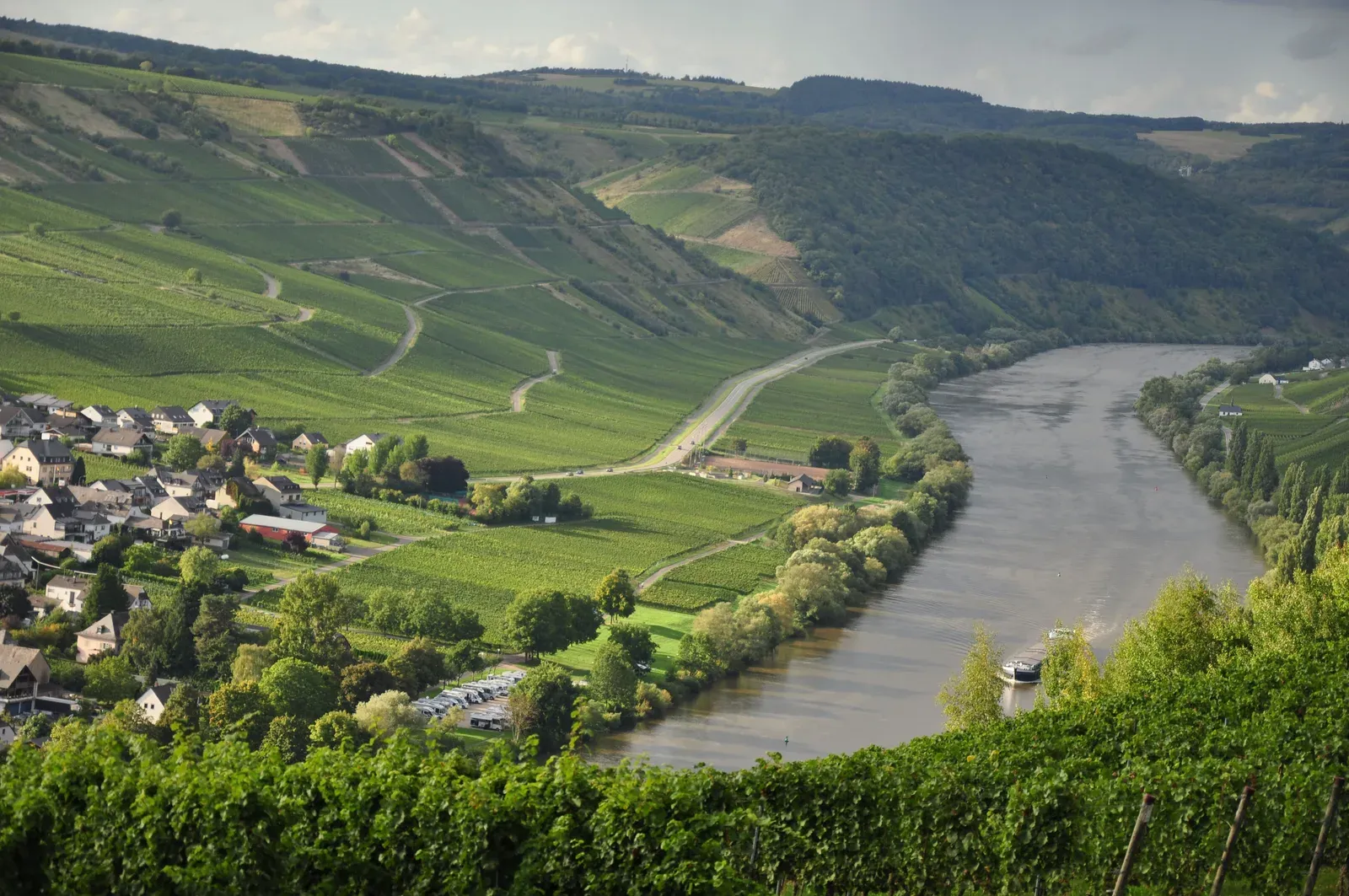
Foto: Оля Дмитрів / Pexels
Foto: Nico Becker
Key Takeaways for the Ag Spray Drone Market
The FCC rule does not stop old DJI drones. But it limits new ones in the US. Parts will become scarce in 18 months.
Brazil will be the main hub for Agras. Many ag spray drone units will go there. Parts will flow from Brazil to the US.
US alternatives are good but cost 2 to 3 times more. The main problem is the software, not the drone itself.
Europe will wait until 2027 for better rules. Watch Germany for signs of change.
US operators should buy the T50 drones they can find now. They should plan to buy US drones in 2027. Do not use long loans. Resale values will be strange.