The DJI Audit Deadline: How Operators Are Pre-Building Exit Plans Before the NDAA Clock Runs Out
Rather than rehashing the ban politics, we map the practical fleet-transition decisions facing enterprise, public-safety and survey operators if DJI loses its FCC authorization after the national-security audit.
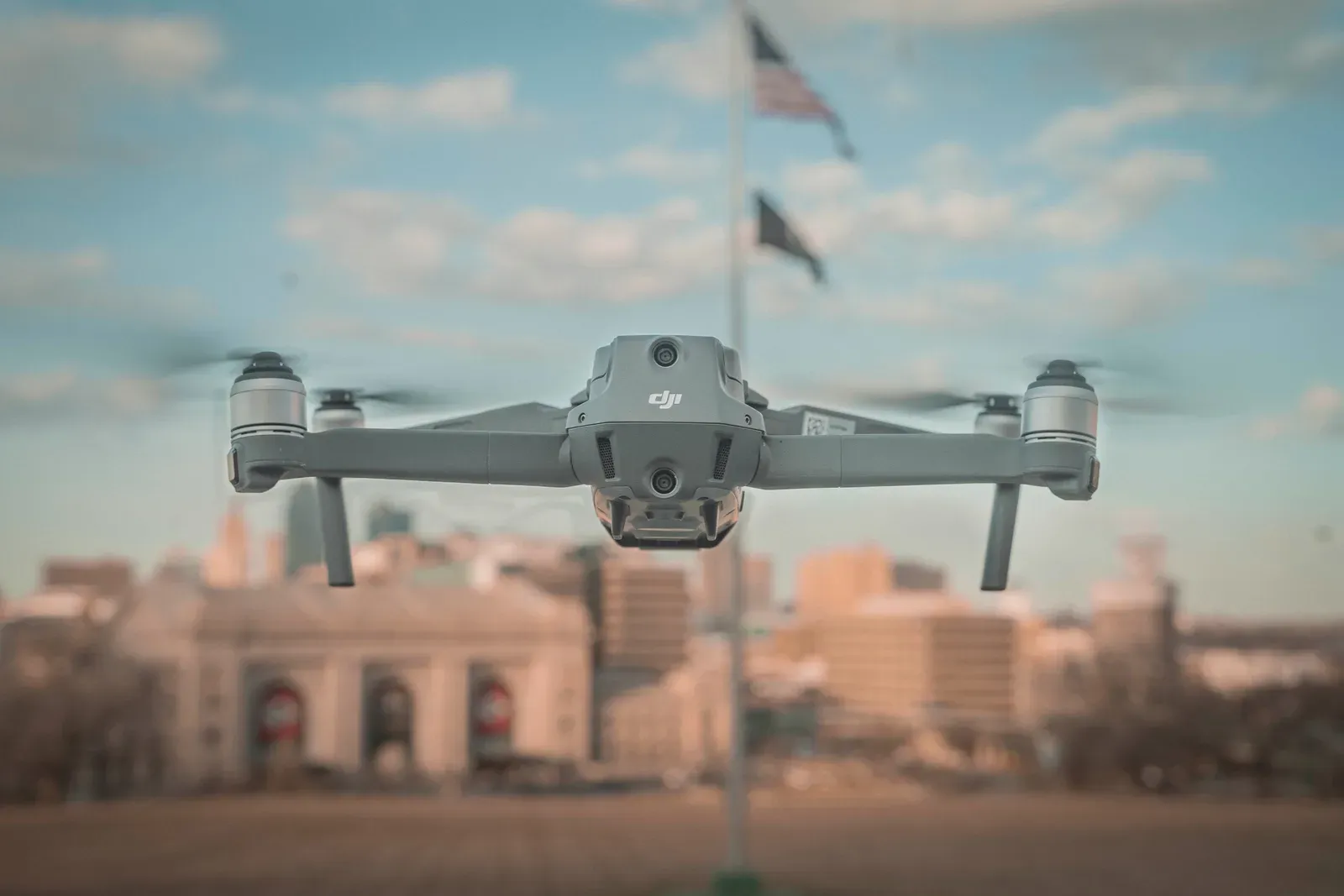
December 2025. The clock the industry kept pretending wasn't there is suddenly loud. Under Section 1709 of the FY2024 NDAA, if no designated U.S. agency completes a national-security audit of DJI (and Autel) within one year of enactment, both manufacturers get added to the FCC's Covered List — which would block new equipment authorizations for their radios in the United States. This looming DJI ban is causing significant concern among enterprise fleet managers, who are no longer waiting to see how the politics land. The deadline already slipped once, and the implications of a DJI ban are becoming clearer.
The Practical Reality of FCC Restrictions
This is the practical question that matters: if the DJI ban moves from threat to FCC reality in 2026, what does your fleet look like 90 days later? Most operators don't have an answer. The smart ones are building one now.

Foto: Vihan Dalal / Unsplash
What the DJI Ban Really Means
What the DJI ban actually does (and doesn't) do. The DJI ban, as written in the Countering CCP Drones Act folded into the NDAA, is not a confiscation order. It is a prohibition on new FCC equipment authorizations for DJI-branded radios once the audit deadline passes without a clean bill. In plain English: existing Mavic 3 Enterprises, M350 RTKs and Matrice 4Ds in your hangar keep flying. Importing the next batch — that's where the DJI ban breaks. Spare parts, replacement aircraft, new SKUs: all blocked at customs in practice, because they can't be legally marketed or sold.
Foto: Adam Michael Szuscik / Unsplash
The Landscape of State and Federal Bans
State-level bans go further. Florida's SB 44, Tennessee's purchase prohibition, and the federal American Security Drone Act (effective for federal agencies December 2025) already restrict procurement using public funds. If you're a sheriff's office in Florida flying an M30T, you've been navigating this for two years. If you're a private utility in Ohio, you haven't — yet.
Foto: chris robert
Who Will Be Most Affected by the DJI Ban
Who actually feels the pain first. Not everyone equally. The exposure stack, in rough order of urgency:
•Federal agencies and contractors — already restricted under ASDA. Replacement cycles underway since 2023.
•Public safety (state/local) — patchwork. Florida, Tennessee, Arkansas locked down; California and New York debating. A single Mavic 3T crash without replacement parts can ground a SAR program.
•Investor-owned utilities and pipeline operators — not legally restricted, but increasingly nudged by DOE and TSA security directives. Duke Energy and Dominion have been quietly diversifying since 2024.
•Survey, mapping, AEC firms — the most exposed commercially. A Phantom 4 RTK or M350 with a P1 is the backbone of mid-market photogrammetry. The replacement math here is brutal, especially with the potential DJI ban.
•Cinema, real estate, agriculture — least affected near-term. Mostly free to keep buying until the FCC switch flips, then it's a used-market problem.

Foto: Iain / Unsplash
Foto: Iain / Unsplash
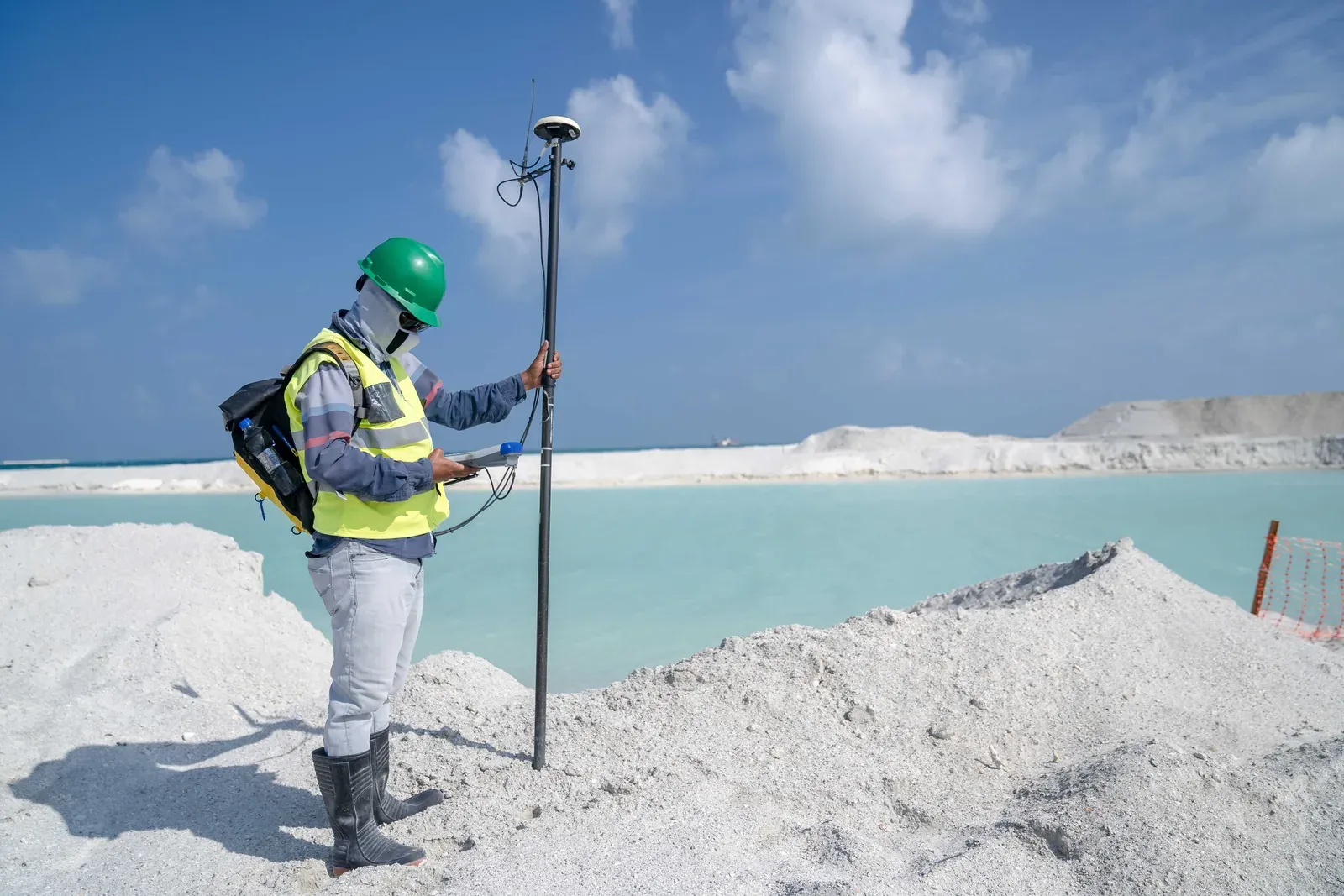
Foto: Asad Photo Maldives
The Economics of Equipment Replacement
The replacement math nobody wants to do out loud. Here's where the conversation usually gets uncomfortable. A DJI M350 RTK with a P1 camera lands around $25–30K all-in. Its closest NDAA-compliant equivalent — a Skydio X10 with a mapping payload, or a Freefly Astro with a Sony A7R-class sensor and an RTK module — runs $35–55K. Skydio dropped enterprise mapping support in 2023, then re-entered with X10 in late 2024; the workflow is improving but it's not at DJI Terra parity. Anyone who tells you otherwise hasn't run a 400-acre corridor on both. The looming DJI ban makes these comparisons even more critical.
Blue UAS Market Alternatives
For inspection and public safety, the Blue UAS list is your shopping aisle: Skydio X10, Parrot Anafi USA, Teal Black Widow, BRINC Lemur 2, Anzu Robotics Raptor T (a Mavic 3T airframe re-engineered with U.S. software stack — controversial, but on the list). For heavy-lift survey and LiDAR, Inspired Flight IF1200A and Freefly Alta X dominate. None of them ship the volume DJI does. Lead times in Q3 2025 were running 8–16 weeks on most SKUs. The impact of a DJI ban on supply chains is a major consideration.
Hidden Costs Beyond the Hardware
The hidden cost isn't the aircraft. It's retraining, new ground control software (no more DJI Pilot 2 muscle memory), new RTK base workflows, new battery logistics, and the photogrammetry pipeline rebuild. A mid-size survey firm I spoke with budgeted $180K for hardware replacement and ended up spending closer to $310K once training and downtime were counted. Plan accordingly, especially with the uncertainty of the DJI ban.
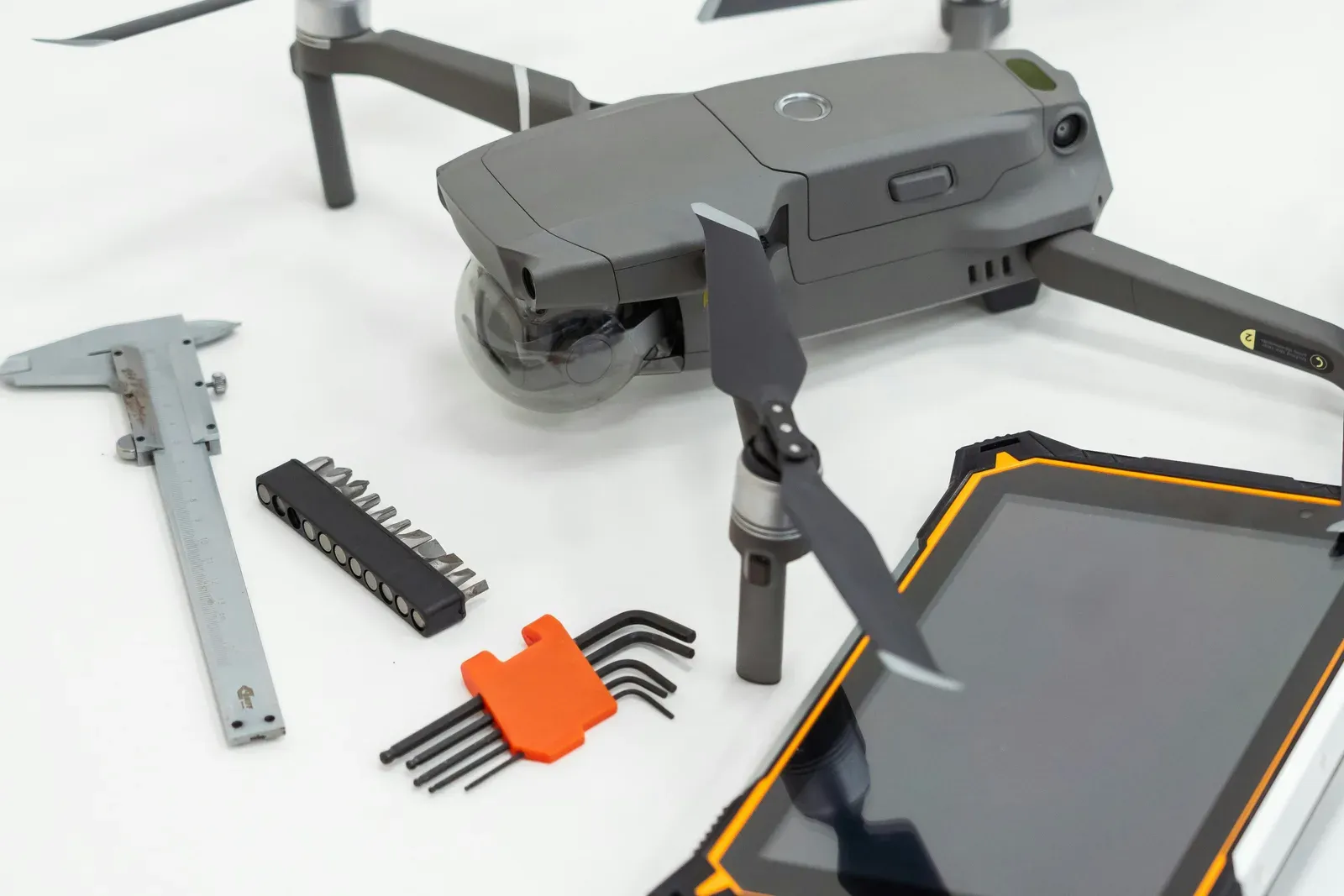
Foto: RUT MIIT / Unsplash
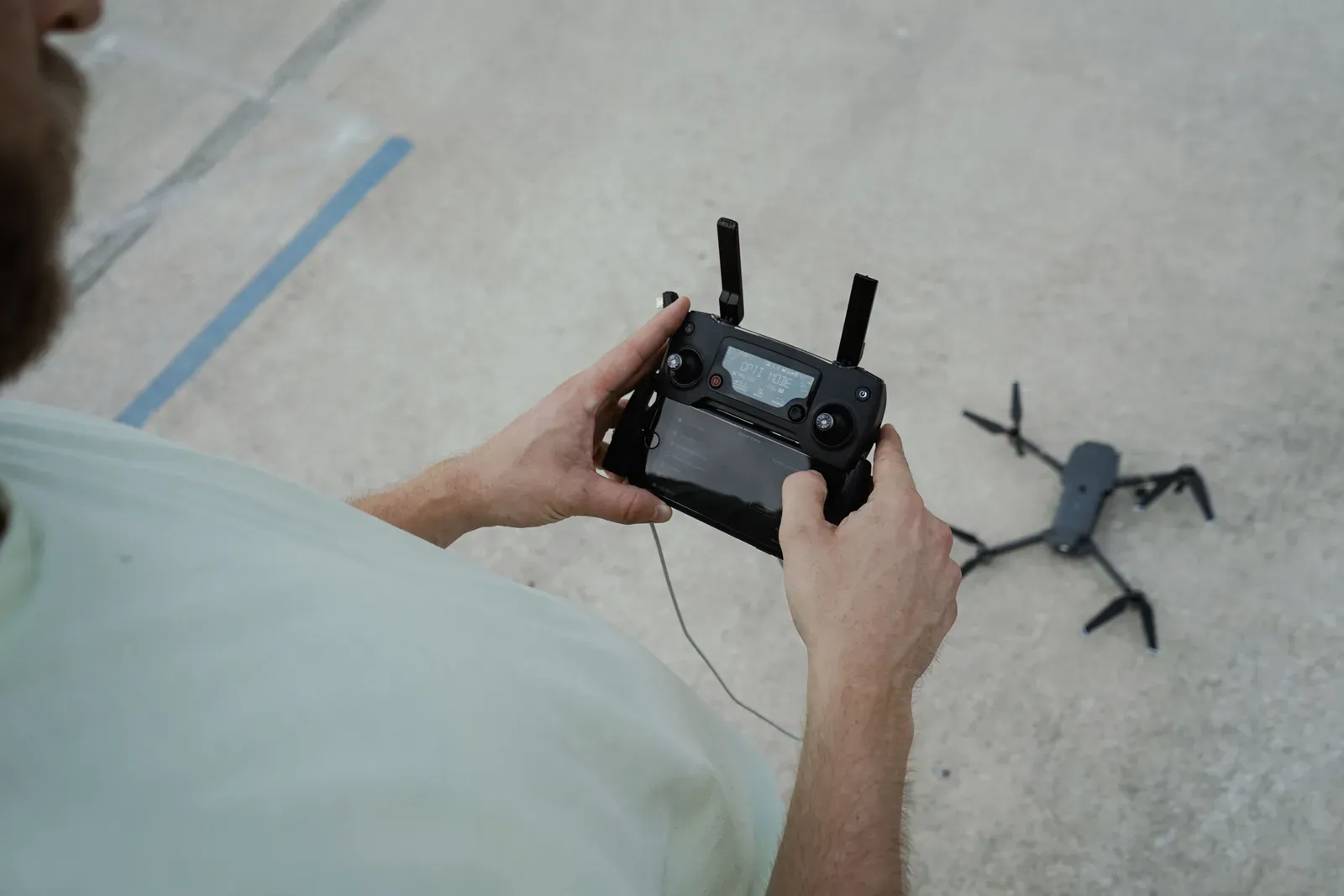
Foto: Kyle Loftus / Pexels
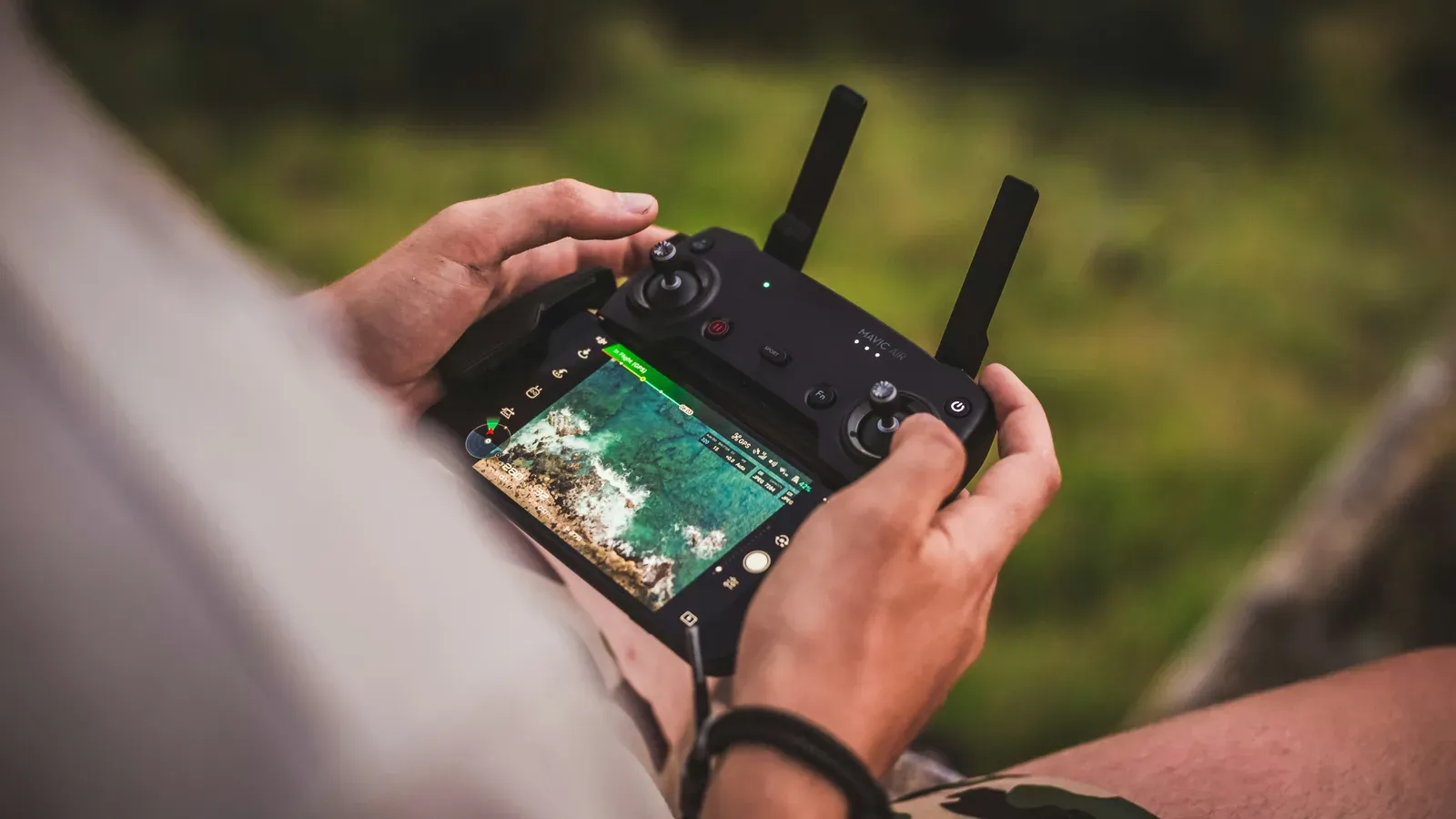
Foto: William Bayreuther
How sensible operators are pre-building exit plans. The operators who'll come out of 2026 in good shape are doing a few unglamorous things right now. None of them require betting on whether the DJI ban actually triggers.
1.Inventory and age your DJI fleet. Tail-number level. Hours flown, battery cycles, expected EOL. You can't plan a transition without knowing what you're transitioning from.
2.Stockpile critical spares now. Propellers, gimbal ribbon cables, OcuSync modules, TB65 batteries. If the FCC switch flips due to the DJI ban, the secondary market will spike within weeks. Six months of spares is cheap insurance.
3.Run a pilot program on one Blue UAS platform. Not a demo flight. A real 60-day deployment on actual jobs, with your data pipeline, your pilots, your QA standards. Discover the friction points while you still have a working DJI fleet as backup
4.Renegotiate client contracts. If you survey for federal clients or large utilities, write platform-compliance clauses now. Pass the cost delta forward where you can, considering the potential DJI ban.
5.Watch Remote ID and Part 108. The FAA's pending BVLOS rule (Part 108, NPRM expected to finalize 2026) will reshape the economics of whatever platform you buy. A Blue UAS aircraft without a clear BVLOS path is a half-investment, particularly in the context of a DJI ban.
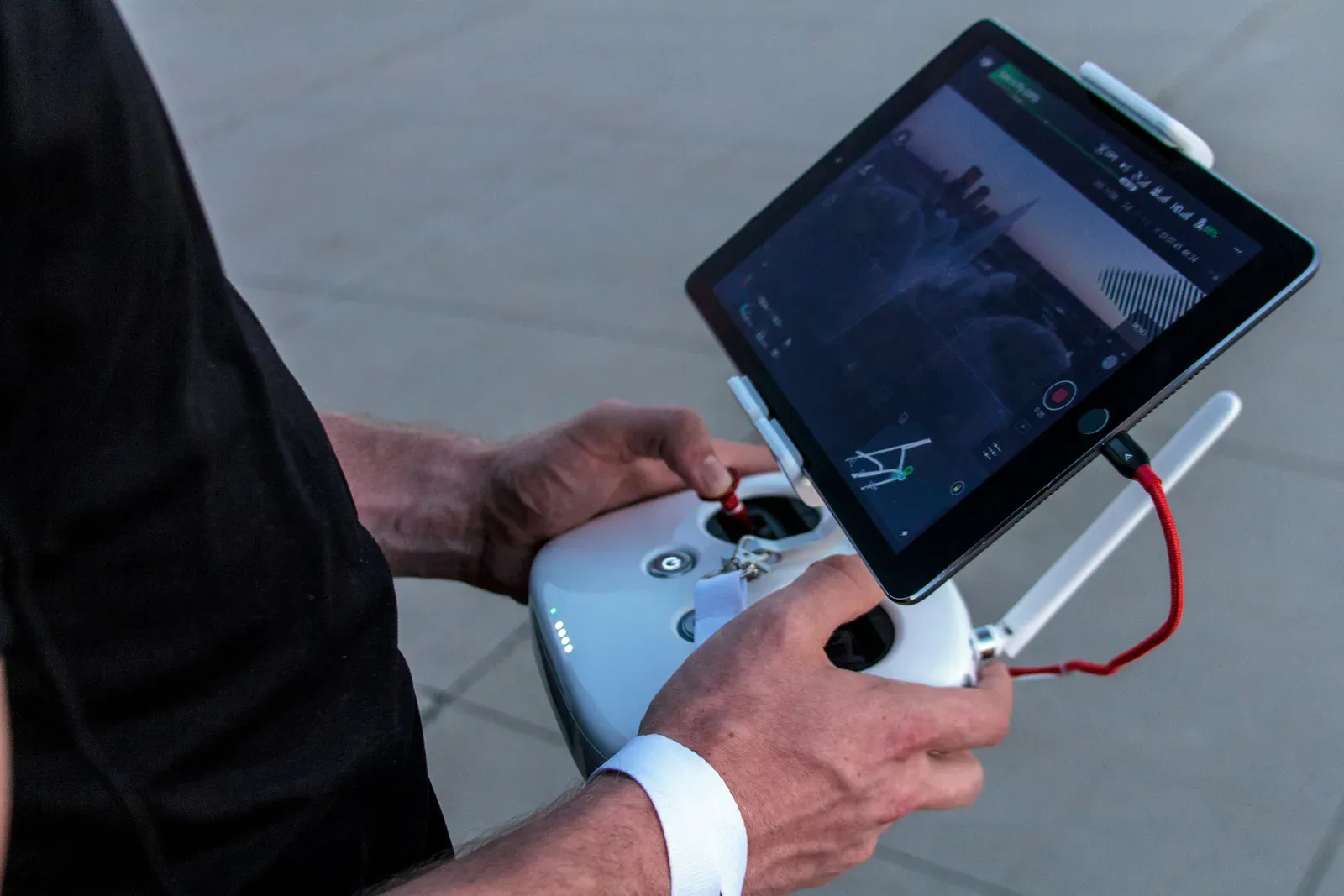
Foto: Ian Baldwin / Unsplash

Foto: CHUTTERSNAP / Unsplash
Foto: Valentin Zickner
The Debate Over the Implementation Timeline
The counter-argument worth taking seriously. I'd argue the loudest voices in the DJI ban debate — on both sides — are wrong about timing. The hawks assume the FCC will move fast once the deadline lapses. It won't. Rulemaking, comment periods, legal challenges from DJI's U.S. counsel: realistic DJI ban implementation is 12–24 months after the audit window closes, not 12 days.
Risks and Opportunities in the New Landscape
The doves assume Congress will quietly extend the deadline or the audit will come back clean. Possible. But betting your operations on Washington blinking is, frankly, a strange risk model for a survey firm to run. The asymmetric cost of being wrong is much higher on the do-nothing side. Replacement aircraft you bought in 2026 still fly missions in 2030. A grounded fleet doesn't. The ongoing discussion around the DJI ban highlights these risks.
There's also a quieter truth: DJI's enterprise dominance has made U.S. and European OEMs lazy about workflow polish. A real DJI ban — or even a credible threat of one — is finally pushing Skydio, Parrot, Freefly and Anzu to ship the kind of software DJI Pilot users took for granted. That's not nothing.
Keep Following the Industry's Transformation
The potential DJI Ban is just one of several changes reshaping the global drone industry. Evolving regulations, BVLOS operations, technological sovereignty, and the search for alternative platforms are set to become even more important in the years ahead.
If you want to understand how these developments will impact drone operators, manufacturers, and enterprise fleets, continue reading:
- Part 108 Uncovered: Learn how the FAA's upcoming BVLOS regulation could transform commercial drone operations.
- The Brazilian Army Bets on Chinese Drones While the West Restricts DJI: Explore the strategic implications of DJI restrictions and the growing debate over technological sovereignty.
- DJI Agras T70 vs XAG P150: Discover how the leading agricultural drone platforms compare in performance, operating costs, and long-term value.