US Ag-Spray Drones Race to "Americanize" After FCC Ruling
The FCC's move against DJI and XAG has upended the US spray drone market. Manufacturers and integrators are scrambling to localize production — but the real bottleneck runs deeper than final assembly.
The FCC has added certain foreign-produced uncrewed aircraft systems and critical UAS components to its Covered List, restricting new equipment authorizations in the United States. The impact on US spray drones showed up fast: dealers froze orders, cooperatives started shopping for alternative suppliers, and growers began questioning just how dependent they are on foreign components.
The debate is no longer strictly technological. It now spans national security, supply chains and operating costs. And the race has a name: Americanization. The plan involves local assembly, auditable bills of materials, US-developed firmware and at the extreme swapping out sensors, ESCs and radio modules. Is it feasible? Partly. The catch is that this transition may hit the grower first, since operations have to keep running while the industry rebuilds its supply base.
What the FCC Ruling Actually Changed for US Spray Drones
The FCC didn't ban the DJI and XAG drones already in the field. That's why the impact on US spray drones falls mainly on new models and future purchases. What the agency did was block new equipment authorizations without an FCC ID meaning the radio can't legally be sold in the US.
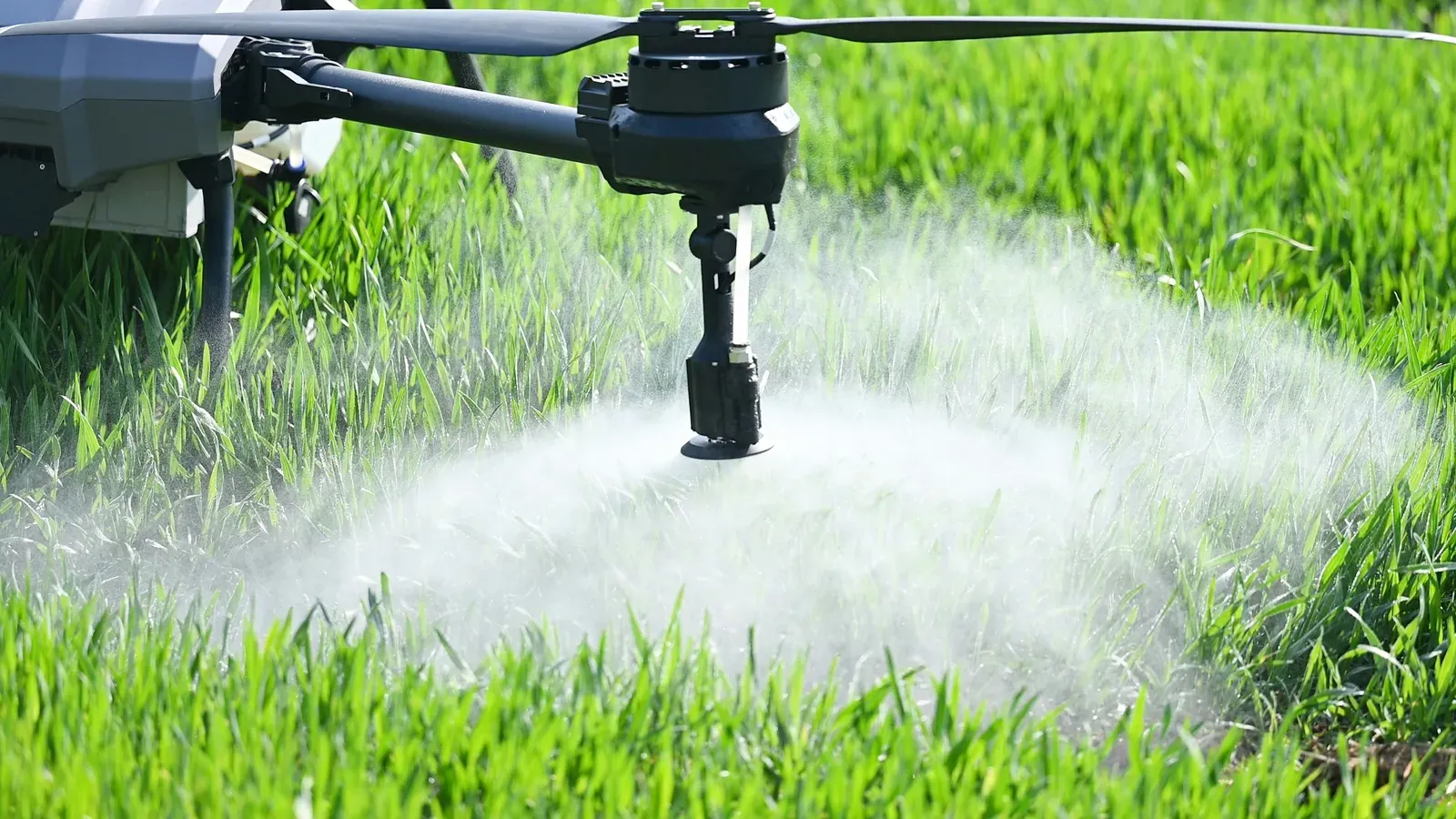
Models like the DJI Agras T50 and the XAG P100 Pro, both meaningful players in the American ag market, now sit in a regulatory gray zone. If you own one, you fly it. If you were about to buy one, you wait. The decision followed legislative changes and political pressure that had been building for a while.
This wasn't an isolated episode it's the outcome of a broader regulatory process. One technical detail that rarely gets airtime: FAA Part 137 governs agricultural dispensing operations, with different regulatory requirements depending on aircraft weight and the type of operation. Larger UAS weighing 55 pounds or more operate under a more complex authorization framework. Without a valid FCC ID, that entire regulatory stack collapses. It's a domino.
Who's Trying to Fill the Gap
The US spray drone market is still smaller than other ag-tech segments, but it has been drawing manufacturers, integrators and specialized applicators. What matters more than exact market size is the dependency these machines have created.
A few names came up in hallway conversations at Commodity Classic 2025:
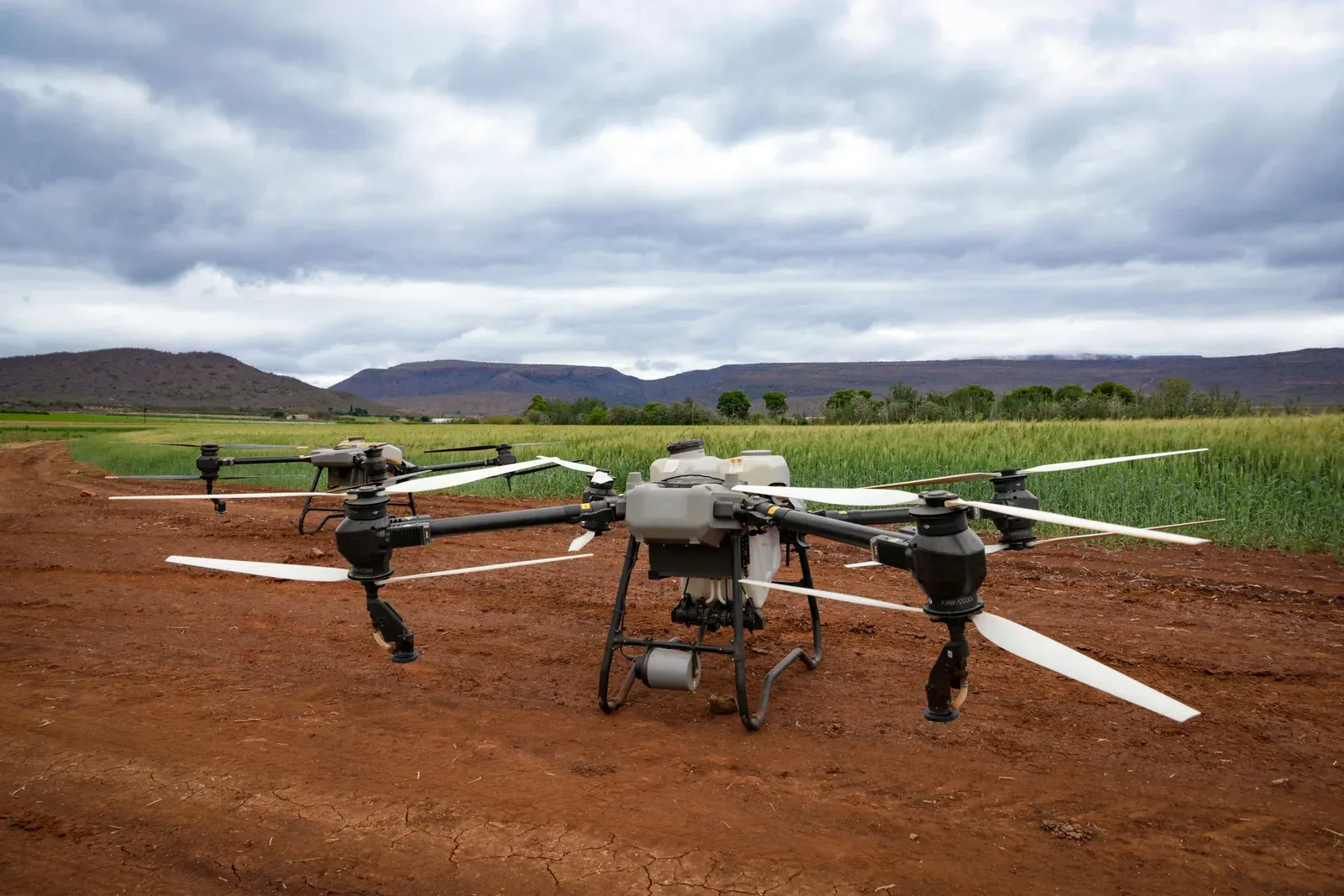
- Guardian Agriculture — a US manufacturer of an eVTOL platform for agricultural spraying, with a focus on local production and operation.
- Hylio — Texas-based, building ag drones and pushing to expand its FAA-authorized operations. Still leans on imported components, like most of the sector.
- Pyka — technically not a drone but an autonomous fixed-wing aircraft (the Pelican Spray). It competes for the same grower dollar.
- Precision AI and integrators like Rantizo, which are migrating DJI fleets to hybrid platforms using Doodle Labs (American) radio modules.
None of them currently match the combination of availability, price and performance that the most widespread Chinese models offer. The cost and scale gap remains one of the biggest hurdles to any immediate substitution.
The Bottleneck Nobody Wants to Talk About: Components
Assembling in the US is one thing. Having a US supply chain is another. Brushless motors, ESCs, terrain-following LiDAR and RGB cameras for field scouting still depend, in large part, on Asian suppliers. Skydio, which has concentrated on defense and enterprise, gets cited as one of the companies with the most Westernized tech stack. And Skydio doesn't build a spray drone.

What US Growers Are Actually Facing
Accounts from Midwest applicators sum up the problem: an immediate switch to an American platform can raise the upfront investment and stretch the payback period. For growers, productivity and cost per acre are still what decide the purchase. That's the uncomfortable part of the debate.
Americanization may be a legitimate national-security priority, especially when the fate of field data is on the table. But growers make decisions based on productivity, support and operational predictability. Strategic security and farm ROI are different objectives, and public policy will have to reconcile that tension.
Three Scenarios for US Spray Drones
- Tiered waivers — the FCC grants temporary exceptions for models already in use, reducing the risk of an immediate disruption.
- Assembly joint ventures — foreign companies form local partnerships to meet security and traceability requirements. Politically controversial, technically doable.
- Acceleration of domestic manufacturers with public support and dual-use technology — Washington's preferred outcome, but one that requires industrial maturity and a reliable component supply chain.
How the Rest of the World Sees It
Below the equator, the reading is different. In Brazil, ANAC (the country's aviation authority) and Anatel have signaled no comparable restrictions, and Agras drone use keeps growing, according to industry estimates. Argentina, Australia and the European Union (via EASA) are also holding the status quo.
In other words: the cost of Americanization is being absorbed by the American grower alone. Global competitors keep spraying with cheap hardware. In my view, that's where the bigger strategic risk sits. This isn't only a fight over who builds the drone. It's a fight over productivity, farm cost and competitiveness.
Final Thoughts on US Spray Drones
The FCC restriction is real, but the enforcement calendar still has some slack — no one is going to seize drones already flying. Guardian, Hylio and Pyka are the best-known domestic alternatives, but they still struggle to match the Agras combination of price, availability and performance.
The bottleneck isn't final assembly. It's the component supply chain. Without American ESCs, motors and LiDAR, Americanization is just a label. Growers should keep a close eye on farm budgets, FCC decisions and any waivers. Those moves will set the pace at which the sector actually adapts.