After the Boom: How Brazil's Agricultural Drone Market Is Consolidating
A market analysis that goes beyond unit counts: how machinery giants are moving in, the MAPA-ANAC compliance maze, and what separates operators who survive consolidation from those who don't.
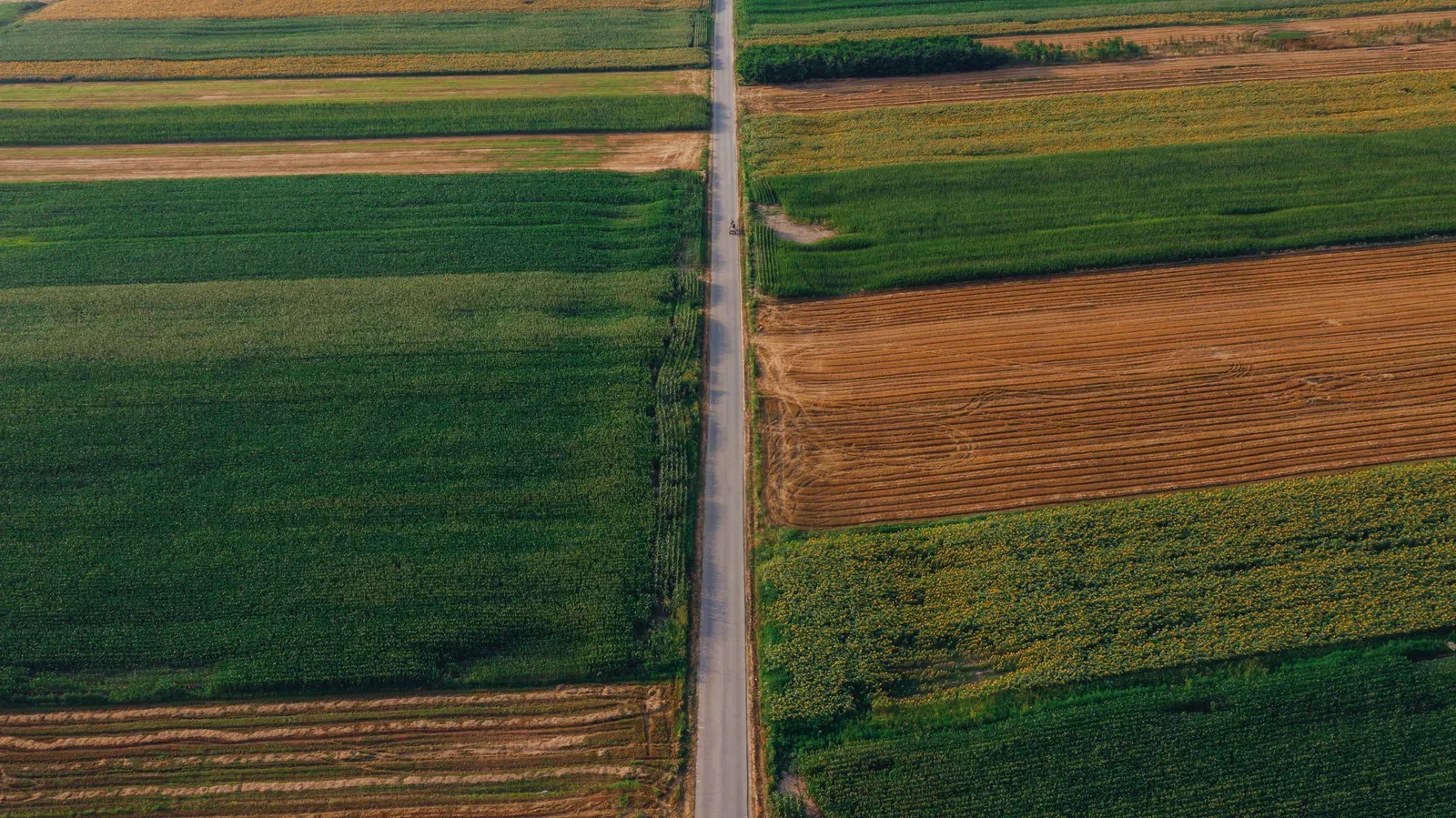
Brazil's agricultural drone market has entered a more competitive phase. The technology is no longer seen as a niche option for small service providers it now sits inside the portfolios of traditional agribusiness players. As a result, the fight is no longer just about selling aircraft. Distribution channels, regulatory compliance, maintenance and the ability to deliver usable data all now define who gets to grow.
None of this means drones have replaced every other form of agricultural application. The equipment still fits certain scenarios best: hard-to-reach areas, spot operations, jobs that demand speed. But the professionalization of the service has raised the bar for manufacturers, dealers and independent operators alike.
What Consolidation Actually Looks Like
In the Brazilian agricultural drone market, consolidation is the process by which a fragmented sector starts to organize around better-structured companies, integrated sales channels, and service providers capable of operating at scale. For agricultural drones specifically, this shows up in the growing overlap between aircraft manufacturers, machinery dealerships, digital platforms and specialized field-service firms.
In practice, the operator running a single aircraft on word-of-mouth referrals will find it harder to compete. That doesn't mean small businesses disappear. Many will stay relevant by serving regional niches, partnering with agronomists and offering the kind of hands-on attention a large dealer can't match.
The core shift is this: the deal no longer hinges on equipment price alone. Availability during the agronomic window, technical support, spare parts, training and paperwork now weigh directly on the customer's decision.
Traditional Machinery Brands Move Into the Drone Channel
The convergence between the drone segment and mainstream agribusiness is already visible. Jacto, for example, announced a partnership with DJI to offer solutions built around the Agras T50 and T25, plus the Mavic 3M imaging drone. The signal is clear: the aircraft is starting to be treated as part of a broader package of farm solutions rather than a standalone purchase.
This kind of integration changes the grower's relationship with the technology. A dealership that already supplies tractors, parts and service can position the drone inside a wider crop-management strategy. For the customer, that tends to simplify access to training, financing and support. For the independent reseller, it raises the pressure to prove technical depth and service capacity.
The arrival of established brands also calls for a sober look. A well-known name on the sticker doesn't guarantee the drone is the right fit for every crop or every farm. Performance depends on terrain, connectivity, battery logistics, water availability, approved chemicals and the operator's ability to meet aerial-application rules.
MAPA and ANAC Rules Reward Organized Operators
Running an agricultural drone operation means dealing with more than one regulator. ANAC (Brazil's civil aviation authority) sets the aeronautical rules for unmanned aircraft, while the Ministry of Agriculture and Livestock (MAPA) sets specific requirements for aerial agricultural activity and chemical application.
Starting in June 2026, RBAC 100 organizes drone operations by operational risk, splitting them into Open, Specific and Certified categories. For the agricultural operator, that reinforces the need to analyze not only the aircraft's specs but also the profile and conditions of the mission before locking in procedures.
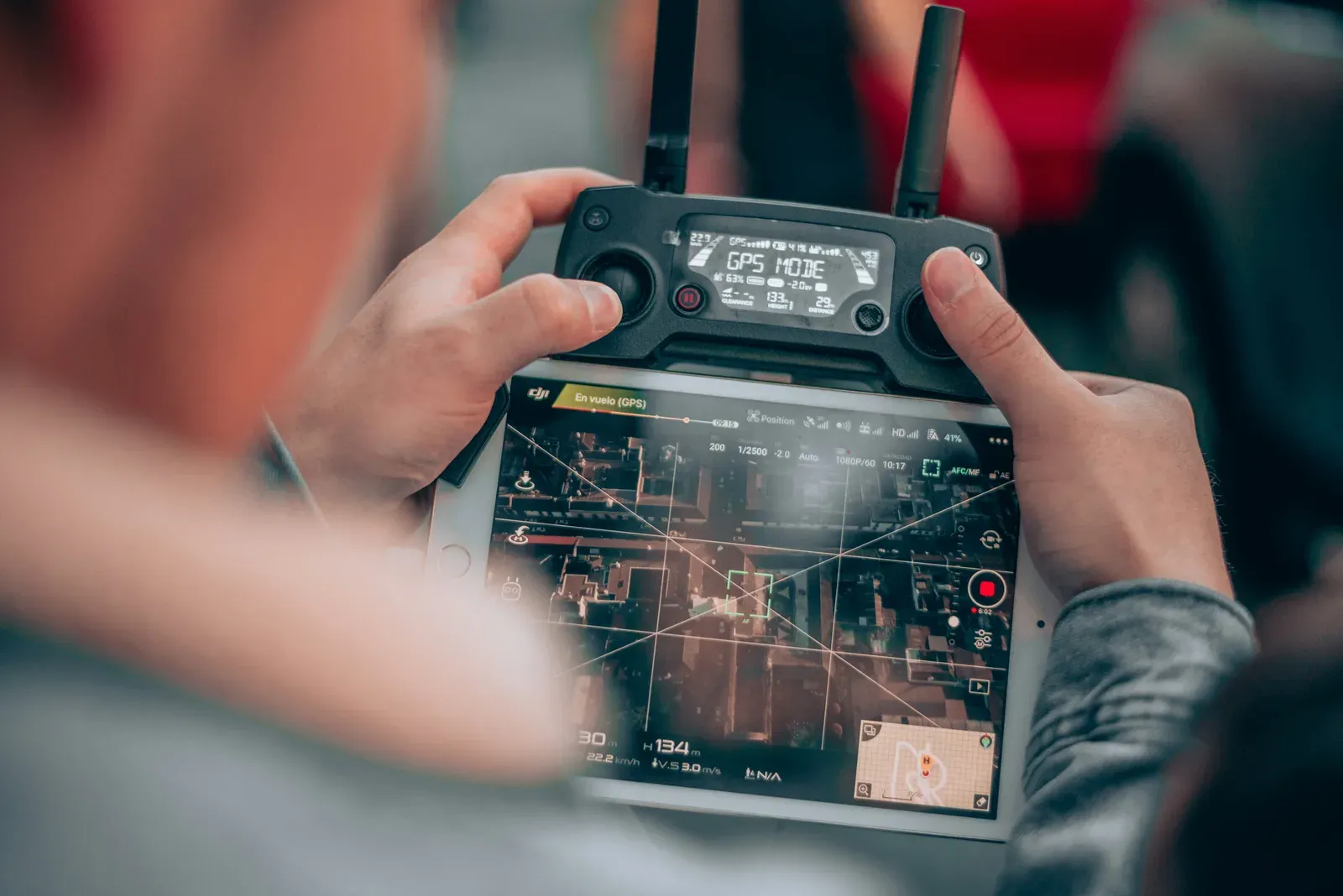
Foto: Miguel Ángel Hernández / Unsplash
MAPA states that registration is mandatory for aerial-agriculture operators using either manned or remotely piloted aircraft. For drones, that registration goes through SIPEAGRO, following MAPA Ordinance No. 298 of September 22, 2021.
Beyond registration, the paperwork can include proof of specific training, aircraft registration with ANAC and, for companies, documents tied to a technical officer. Selling or flying an aircraft, in other words, is not enough on its own to legally deliver aerial-application services.
Operators also need to watch aircraft registration and operating rules, flight-safety requirements, the agronomic prescription, technical liability and the environmental standards that apply locally. The documentation crosses multiple agencies and should be checked before the first job.
This landscape favors organized businesses. Whoever runs the operation needs to know the aircraft's limits, the approved products, the weather thresholds, the safety buffers and the required records. Treating the drone as recreational gear when it's being used for aerial application inflates both operational and regulatory risk.
What Sets the Best-Prepared Operators Apart
Consolidation in Brazil's agricultural drone market tends to reward providers who can turn an application job into a complete service. A few factors matter most:
- Operational planning: the crew has to hit the application window without sacrificing safety or quality.
- Maintenance and parts: batteries, pumps, motors and spray components need scheduled inspection and replacement.
- Technical responsibility: recommending and applying agrochemicals must follow professional rules and the applicable prescription.
- Data records: application maps and reports help growers track the job and steer management decisions.
- Service capacity: training, remote support and boots on the ground can outweigh a small gap in price.
Fleet size alone doesn't solve any of this. More aircraft without logistics, crew and maintenance simply drives up costs and undermines reliability. Sustainable growth depends on process not just on buying more machines.
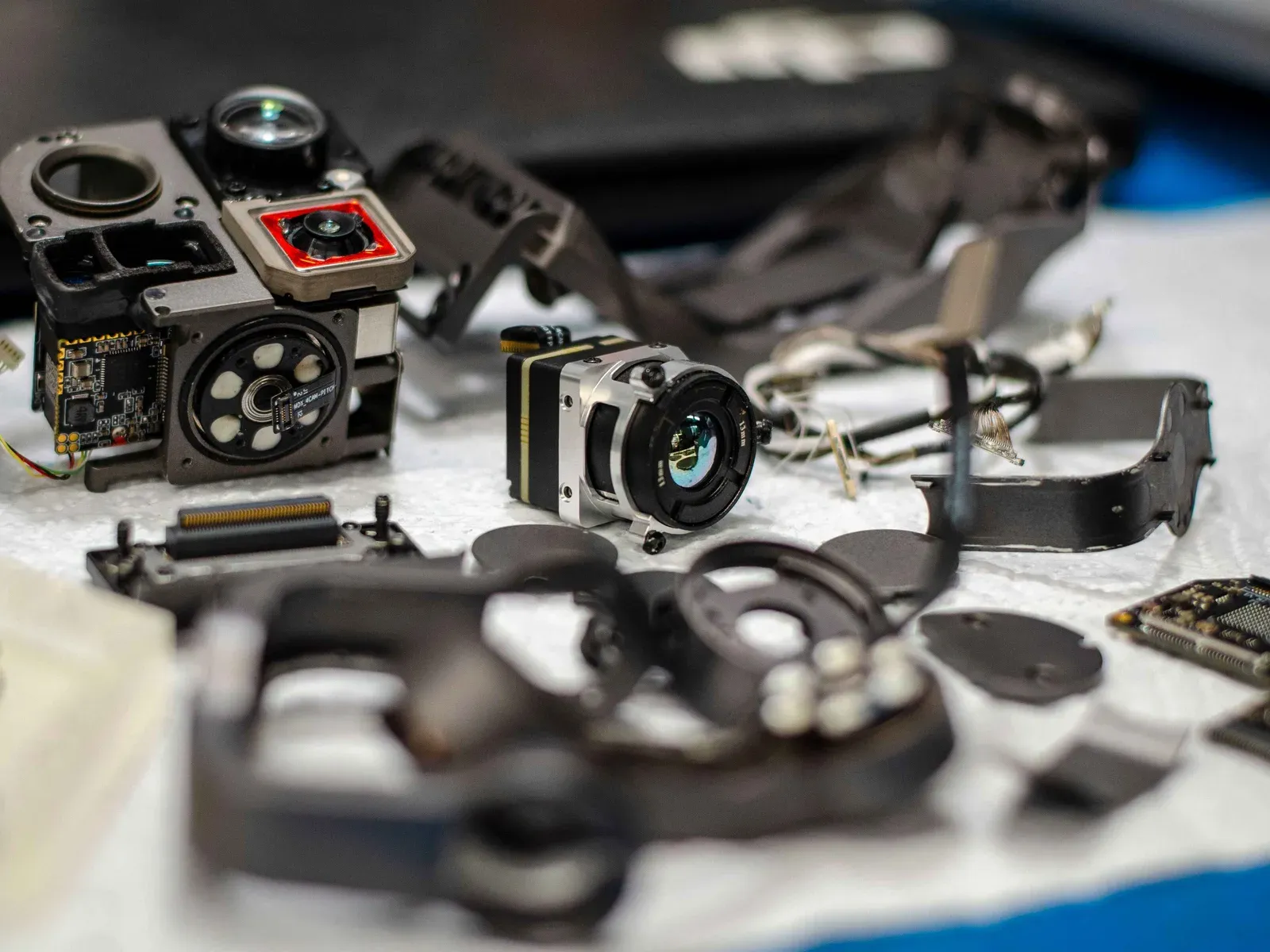
Foto: Dr Failov / Pexels
DJI, XAG and the Hunt for Alternatives
DJI Agras remains one of the segment's most recognized brands, with models geared toward spraying, spreading and imaging. XAG also offers platforms for spraying, fertilization and seeding. Other manufacturers are trying to differentiate through terrain awareness, automation, sensors or specialized use cases.
The choice shouldn't come down to advertised capacity. Buyers need to compare real-world endurance, parts availability, fit with the local operation, training, support and registration requirements. Automated flight and terrain following can be useful features, but their value depends on the environment and the crop.
Diversifying manufacturers can cut dependence on a single supply chain. Then again, mixing brands brings its own headaches around training, maintenance and data management. The decision has to weigh the full operational cycle.
Spraying, Seeding and Data Widen the Opportunity
Spraying is still the best-known use case, but it's not the only one. Depending on the model and the applicable rules, drones can support seed dropping, input distribution and crop scouting.

Foto: jean wimmerlin / Unsplash
Multispectral imaging is one example of a service that can create value before any application even happens. Vigor maps, planting gaps and growth variations help direct scouting and management decisions. In this scenario, the operator stops selling flight hours and starts selling information for farm planning.
That shift matters because one-off spray jobs face steady price pressure. Bundled services — planning, execution, documentation and analysis — tend to build more durable relationships in Brazil's agricultural drone market. The technology becomes part of the management process, not just a spraying tool.
Conclusion
Brazil's agricultural drone market isn't just growing; it's getting more professional. The arrival of traditional agribusiness players, MAPA registration requirements and aeronautical rules make the operation more complex — and leave less room for improvisation.
Independent operators can still compete, but they'll have to deliver reliability, consistency and technical know-how. For manufacturers and dealers, the challenge is combining hardware, support and digital integration. For the grower, the call now hinges on evaluating the full service, not the sticker price or a spec sheet.
Consolidation is pushing the value away from the aircraft itself and toward everything around it: operational safety, regulatory compliance, maintenance, training, service capacity and the data collected in the field. In that setup, the drone stops being a standalone application tool and becomes part of a more integrated farming operation.