IS 94-004: How Brazil's ANAC Unlocked Low-Risk Drone Flights — And What It Means for Operators
Brazil's ANAC just cut a major layer of red tape for commercial drone missions. Here's what the new IS 94-004 actually covers, where SORA-BR is now waived, and why DECEA is still the real bottleneck.
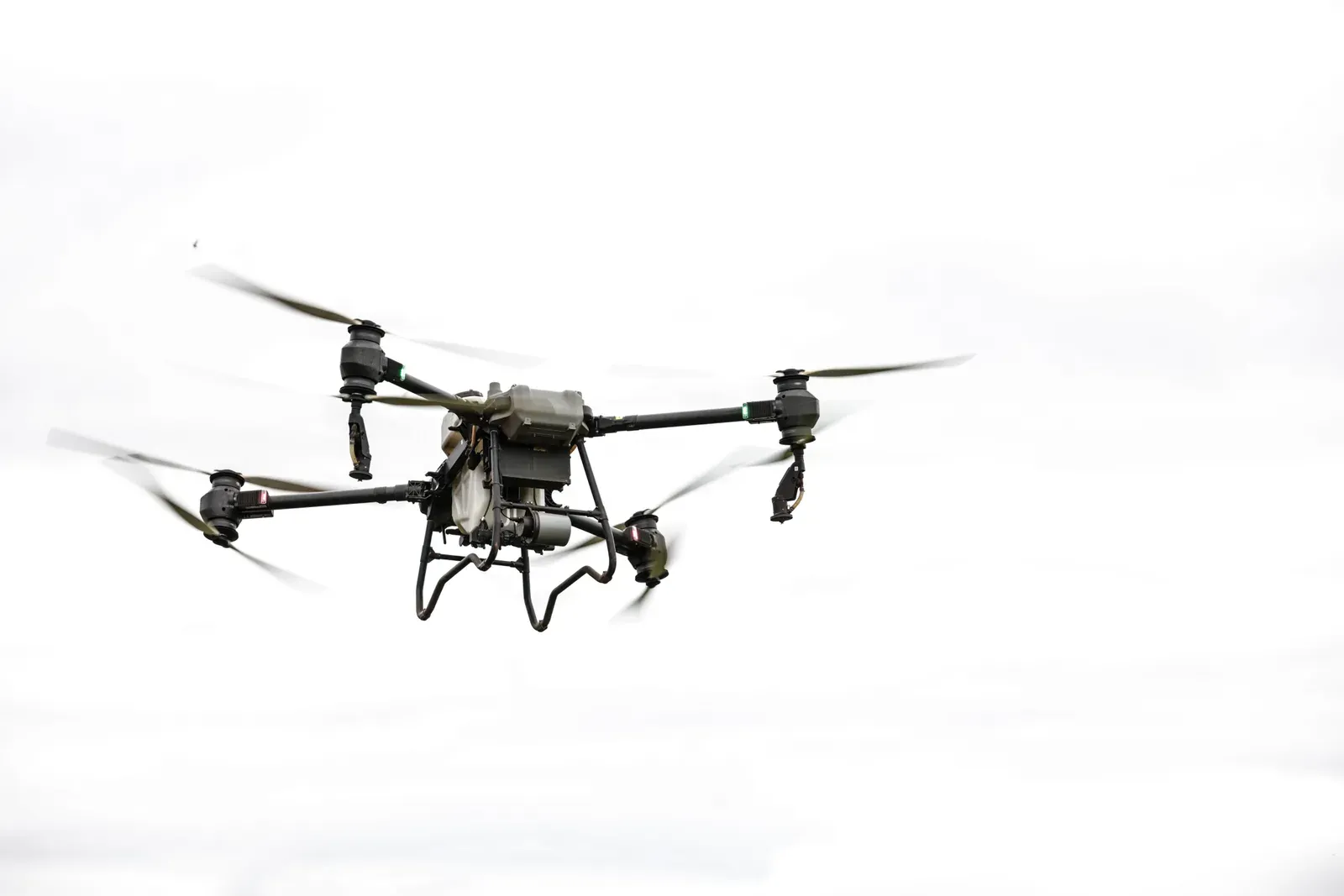
IS 94-004 was published on November 21, 2025 — a date commercial drone operators in Brazil should have circled on the calendar. This supplementary instruction finally opens up a class of operations that, in practice, had been happening informally for years. The new rule creates a low-risk regime that waives the operational risk assessment (SORA-BR) for a well-defined list of missions, changing the cost of entry for small mapping, inspection, and precision-ag outfits in a meaningful way.
Before the details, a clean definition — because that's what everyone types into Google: IS 94-004 is a supplementary instruction issued by ANAC (Brazil's civil aviation authority), tied to RBAC-E No. 94, that sets objective criteria to classify unmanned aircraft operations as low risk. For those operations — VLOS, below 120 meters AGL, drone up to 25 kg, away from crowds and aerodromes — the operator no longer has to submit a risk assessment (SORA-BR) to ANAC. Airspace authorizations from DECEA, however, still apply.
What IS 94-004 Actually Classifies as "Low Risk"
ANAC didn't invent a new category here. It consolidated what EASA has been running under its Open Category and what the FAA covers via Part 107. Read it that way: Brazil arrived late, but arrived with a local cut, calibrated for the constraints of its own airspace.
For a mission to fit the low-risk box under IS 94-004, it has to meet all of the following, simultaneously:
- Strictly VLOS operation (direct visual line of sight from the pilot, no remote observer substituting eye contact);
- Maximum height of 120 meters AGL, keeping the familiar 30-meter horizontal buffer from non-participating people;
- Aircraft with maximum takeoff weight (MTOW) up to 25 kg, registered in SISANT;
- Daytime flight in rural areas, controlled industrial sites, or low-density urban zones — the text explicitly rules out events, stadiums, and dense city centers;
- Minimum distance of 5.4 km (3 NM) from non-controlled aerodromes and outside any active CTR/ATZ without prior DECEA authorization.
If you're flying a Mavic 3 Enterprise, Matrice 30T, or Autel EVO Max 4T on rural surveys, the overwhelming majority of your flights already sit inside that box. That's where the real win of IS 94-004 lives.
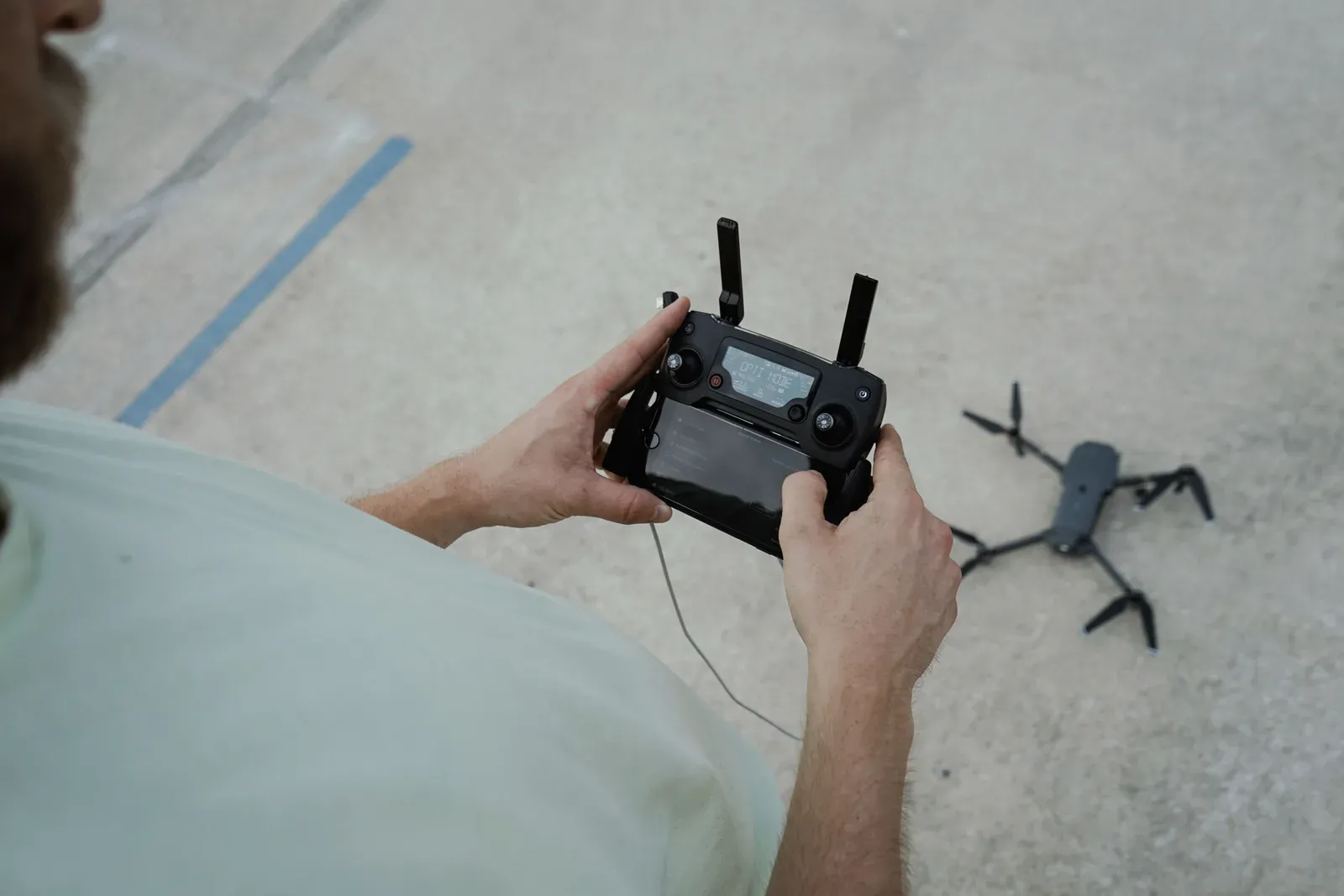
Photo: Kyle Loftus
What Was Waived — and What's Still Mandatory
The most common confusion floating around operator groups is the idea that IS 94-004 "legalized" drone flight in Brazil. It didn't. It removed one specific layer of bureaucracy — the heaviest one — while leaving the others untouched.
What IS 94-004 dropped:
- SORA-BR submission (a methodology derived from JARUS SORA) for every new low-risk mission;
- Case-by-case operational authorization issued by ANAC's SPO;
- Annual renewals of the PAM (Aeronautical Mission Project) for operators in the low-risk bracket.
What's still in force:
- Drone registration in SISANT (renewed every two years);
- Remote pilot certification when applicable (Class 3 above 250 g for commercial operations);
- Airspace access authorization via SARPAS (DECEA) — and this, frankly, is the single most irritating chokepoint in the Brazilian system;
- Mandatory RETA liability insurance for commercial ops;
- LGPD compliance whenever identifiable imagery is captured.
In practice, the operator saves weeks of ANAC paperwork thanks to IS 94-004. But they're still hostage to SARPAS every time they need to fly inside a CTR — and that covers nearly every regional airport in the country.
DECEA Didn't Sign Off (And That Matters)
Here's the point nobody's saying out loud: IS 94-004 is an ANAC-only move. DECEA, which controls Brazilian airspace under ICA 100-40, did not issue a companion rule simplifying SARPAS in the same way. The result is lopsided.
An operator who used to burn 45 days shuffling between ANAC and DECEA to authorize an aerial photogrammetry survey on a farm in rural Goiás now burns the same 5 to 15 days on SARPAS — just without the ANAC bottleneck in the middle. The gain is real. But it's a long way from the European model, where the Open Category waives prior air-traffic authorization in uncontrolled areas.
My read: until DECEA modernizes ICA 100-40 — promised for 2026 according to the agency's own October communiqué — Brazil is going to sit at half-a-step. Classic Brazilian regulatory shuffle.
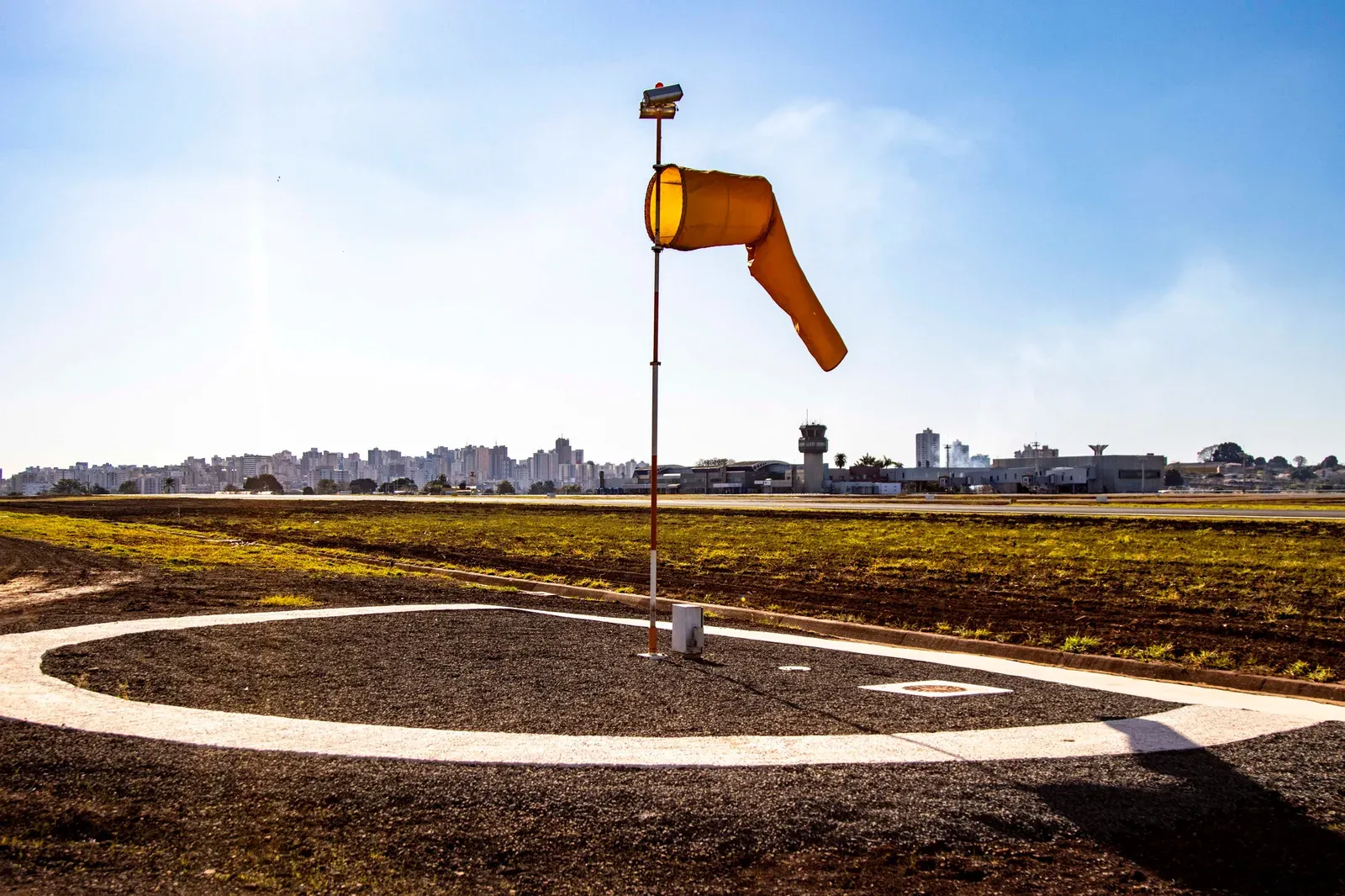
Photo: Rodolfo Gaion
BVLOS, Payloads, and What IS 94-004 Deliberately Left Out
Anyone hoping for relief on BVLOS (beyond visual line of sight) will be disappointed. The text is explicit: any flight past visual range still requires a full SORA-BR, with containment analysis, ground risk class, and air risk class. Speedbird Aero, running certified BVLOS delivery in Aracaju since 2022, and iFood, with pilots in São Paulo, remain under the old regime.
Also intentionally left out of IS 94-004:
- Night operations (even with strobes compliant with RBAC-E 94);
- External payload transport or ag spraying — still governed by IS 137 and MAPA's rules;
- Flight over crowds (defined as density above 1,000 inhabitants/km²);
- Aircraft above 25 kg — the bracket where the heavy LiDAR rigs live, like a YellowScan Voyager on a modified Matrice 600.
For precision ag with RTK/PPK — think eBee X or WingtraOne Gen II surveys — the fit is immediate and the savings hit the bottom line directly. For BVLOS transmission-line inspection, nothing changes. That's how it is.

Photo: Marios Gkortsilas
How to Classify Your Operation: A Practical Walkthrough
Self-classification is declaratory — and that's where the risk sits. ANAC can audit after the fact, and a wrong classification triggers fines under Resolution 472/2018 (between R$4,000 and R$40,000, depending on severity).
To classify correctly under IS 94-004:
- Confirm the drone's SISANT registration and the validity of the pilot's CANAC;
- Document every IS 94-004 criterion that applies to the mission (signed checklist, with coordinates, planned altitude, actual MTOW);
- Check aeronautical zoning on AISWEB before assuming the area is "clear";
- File the SARPAS request with DECEA — yes, still required in most cases;
- Archive flight logs (the controller log, usually exportable from DJI FlightHub 2 or equivalent) for at least 24 months;
- Keep RETA insurance active and LGPD compliance documented.
One detail most operators underestimate: the flight log is your defense in an audit. Without it, low-risk classification becomes your word against theirs — and ANAC wins that one.
What Changes in the Market From 2026 Onward
Three shifts are already predictable. First, the cost of entry for mapping service providers drops — industry associations estimate a 30% to 40% reduction in regulatory overhead for operators with up to 10 aircraft. That should pull in new entrants, especially in precision agriculture across Mato Grosso, Goiás, and Mato Grosso do Sul.
Second, manufacturers will push platforms right at the 24.9 kg MTOW line. Same phenomenon that played out in Europe with the C4 class 25 kg cap. Expect to see "BR Edition" versions of platforms like the DJI Matrice 400 arriving with configurations set just under the ceiling.
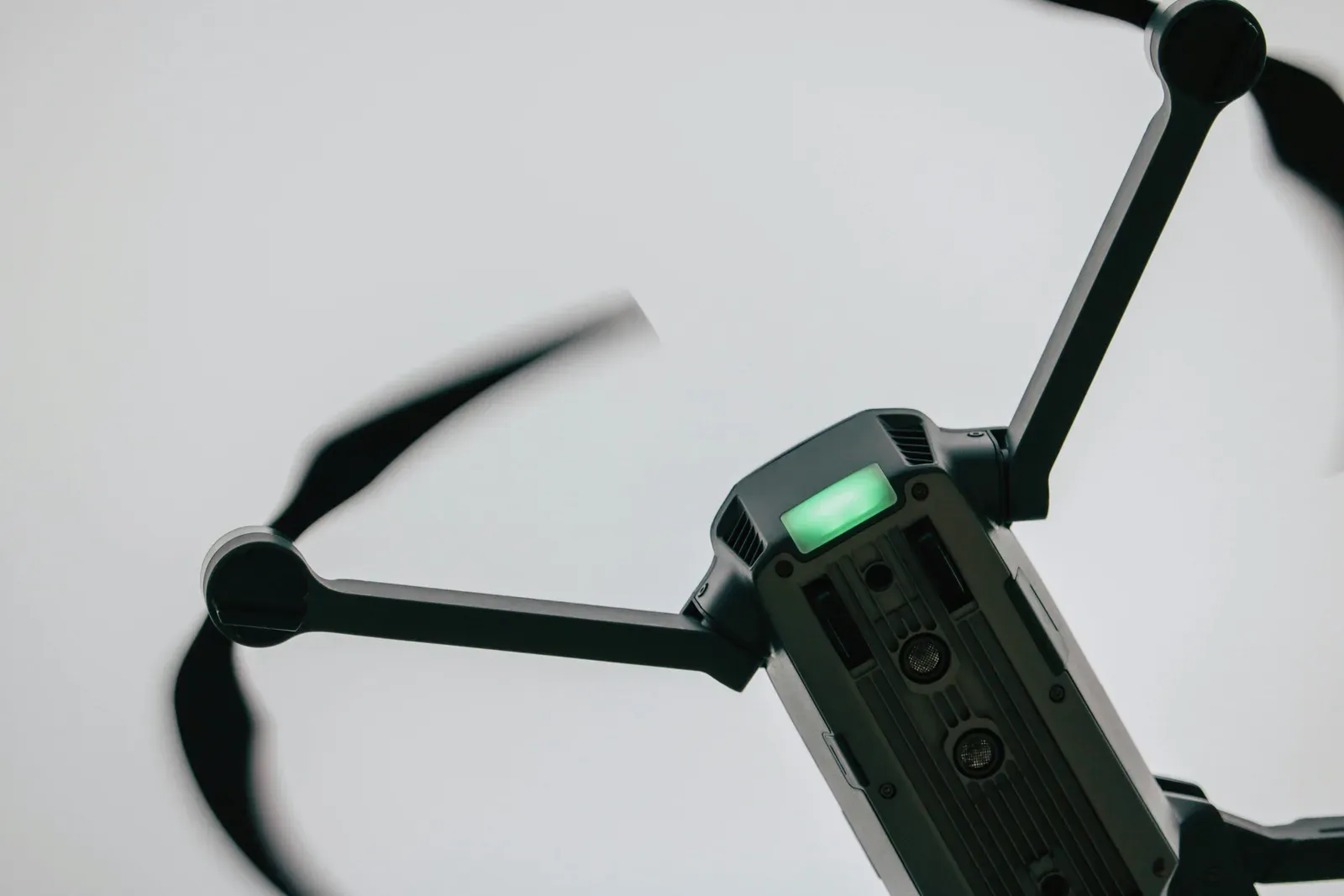
Photo: Kaleb Kendall
Third — and here's an opinion — IS 94-004 is a sign that ANAC has finally understood that regulating drones by analogy with manned aviation is a shortcut to irrelevance. The uncomfortable truth is that the sector grew despite the regulator, not because of it. This text is the first public admission of that.
Final Thoughts
IS 94-004 is not the end of regulatory complexity for drones in Brazil. It's a course correction — necessary, overdue, and incomplete for as long as DECEA doesn't come to the table. For small and mid-sized commercial operators, the immediate effect is positive: less paperwork, less time, same technical responsibility.
Key points to remember:
- Low-risk classification is declaratory and auditable — document everything;
- SARPAS/DECEA is the real bottleneck now, not ANAC;
- BVLOS, payloads, and night flight still require the full SORA-BR regime;
- The ICA 100-40 modernization, projected for 2026, is the next milestone to watch.
If you're currently operating under case-by-case ANAC authorizations, review your mission portfolio over the next few weeks. A good chunk of it probably fits the new regime — and continuing to file unnecessary SORA-BRs is burning resources your operation could use elsewhere.