The Great Agricultural Drone Reshuffle: US Ban, EU Reopening, and the Vacuum in Between
How the FCC's block on Chinese radios, Europe's reopening to UAV spraying, and the DJI/XAG duopoly are reshaping the global ag drone fleet in 2026.
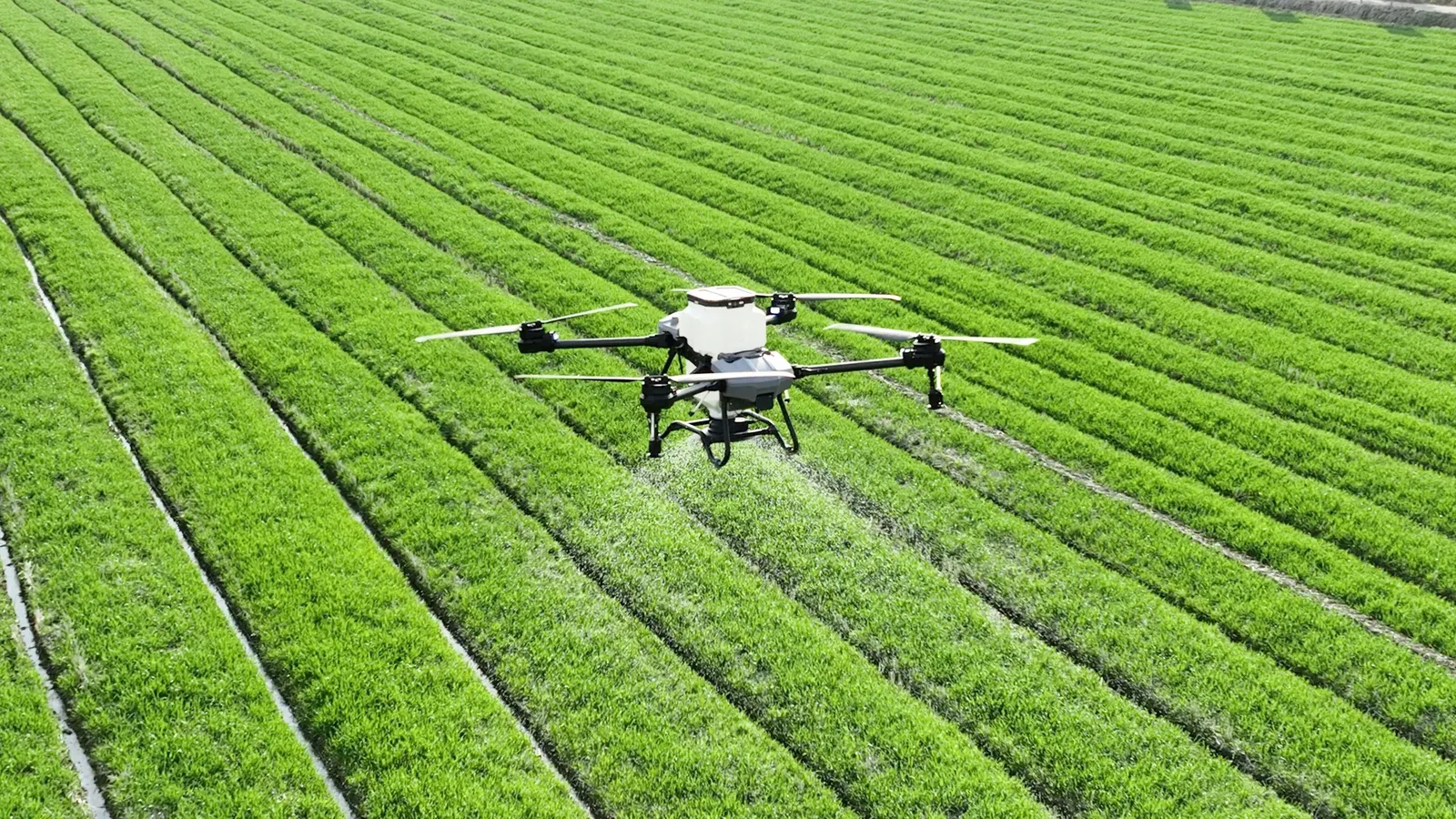
In January 2026, a soybean grower in Mato Grosso got his import request for a DJI Agras T50 bounced back: denied. Across the Atlantic, a wine cooperative in La Rioja had just secured AESA clearance to spray 400 hectares with the same model. The question running through the ag drone sector today isn't about adoption anymore — it's about hardware geopolitics.
The 2026 reshuffle has three simultaneous vectors: the FCC's block on radio certification for Chinese manufacturers on the Covered List, Europe's regulatory reopening to UAV spraying via EASA SORA 2.5, and the almost absurd consolidation of DJI and XAG, which together account for something between 85% and 90% of the global fleet of agricultural spray drones. The vacuum between those three axes is where the average grower either survives or gets squeezed.
What's changing in agricultural drones in 2026
Quick definition: ag drones are multirotor or fixed-wing UAVs configured for spraying, seeding, multispectral mapping, or biological input dispersion, with payloads between 10 kg and 70 kg and tanks that now reach 50 liters. They operate on RTK/PPK for centimeter-level precision and integrate NDVI or LiDAR sensors when used for scouting. According to DroneAnalyst, the segment grew 34% in units between 2024 and 2025.
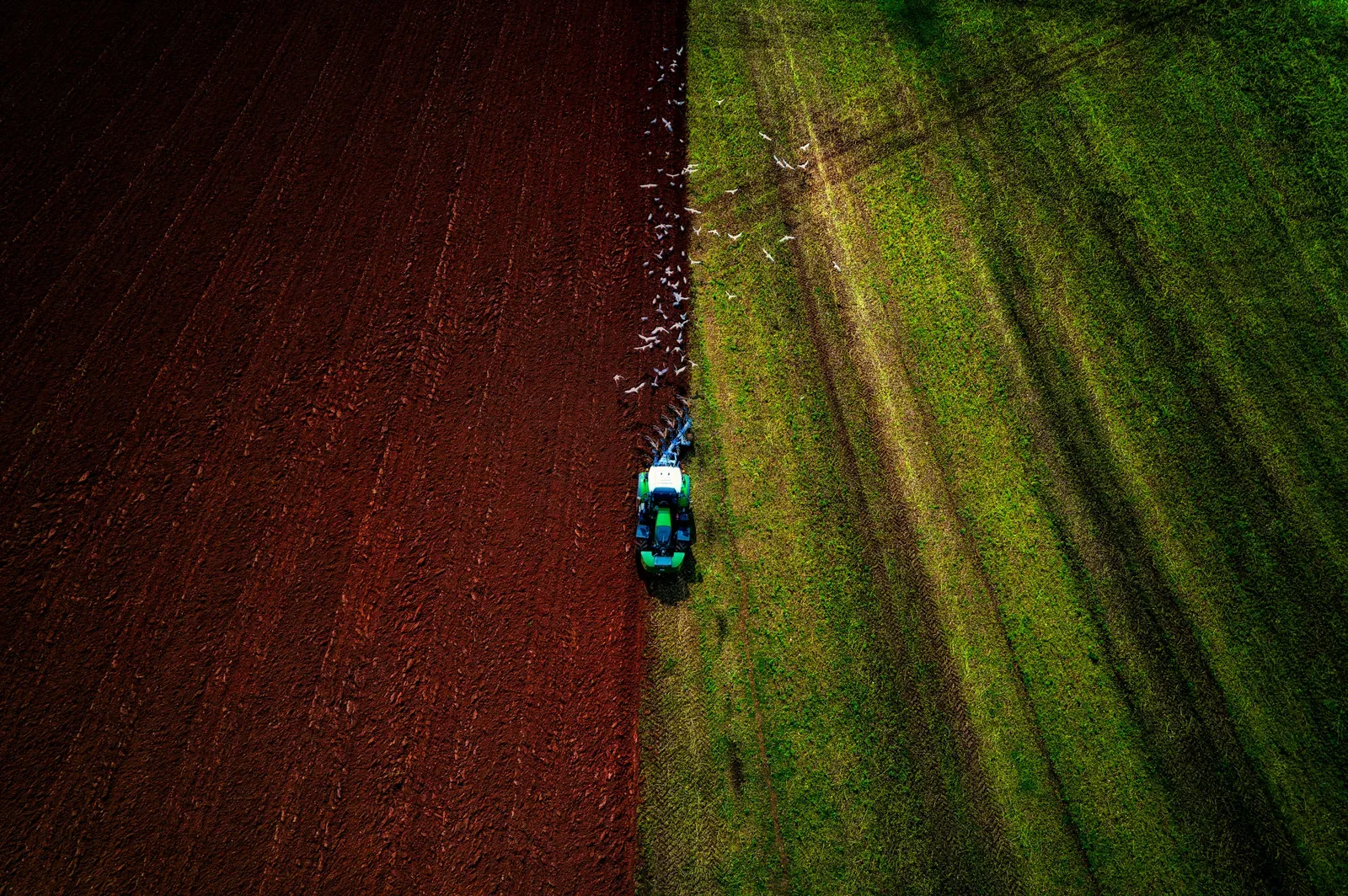
What rarely gets said out loud is that the expansion happened on top of an extremely narrow supplier base. Pull DJI and XAG off the map and the sector loses global scale overnight.
United States: the FCC block and the domino effect on Part 137
In September 2025, the FCC finalized the rule that prevents new equipment authorizations for companies on the Covered List — DJI and Autel have been on it since 2022. In practice, this means models launched after the cutoff date, including the Agras T50 and T25, can't get radio certification in the US. Legacy fleets keep flying. New fleets don't come in.
The knock-on effect for Part 137 (the FAA authorization for aerial application) was immediate. Operators like Rantizo and Hylio caught tailwind — Texas-based Hylio nearly doubled orders for its AG-272 in the last quarter of 2025. But the price gap is still brutal: an AG-272 runs about US$55,000; a T50 was going for US$22,000 before the ban.
For operators running spray drones in the US, that price differential combined with certification limits creates an added barrier: domestic manufacturers have to scale production without losing competitiveness precisely when demand is set to climb.
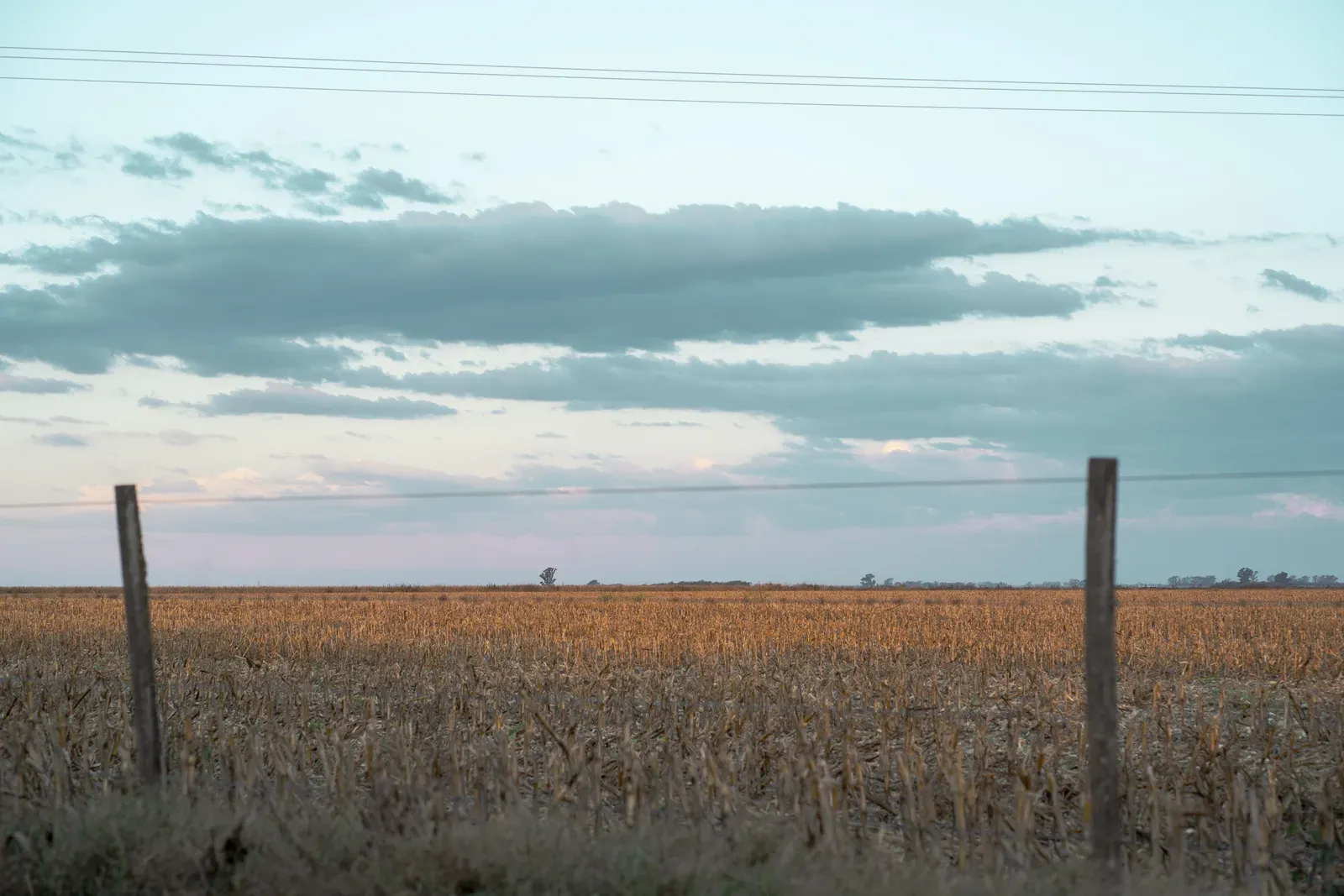
The uncomfortable truth is that the American industry doesn't have installed capacity to meet projected 2026-2027 demand. There will be a drone shortage in the corn belt. It's that simple.
Europe: the reopening via EASA SORA 2.5
Europe spent years stuck in a paradox: aerial spraying was banned under Directive 2009/128/EC, but case-by-case derogations were allowed. With the SORA 2.5 update in October 2025 and a specific category for aerial application UAS, countries like Spain, Italy, Greece, and Portugal opened operational corridors for vineyards, olive groves, and steep-slope crops — the kind of terrain tractors can't reach.
Spain is the most advanced case. As of February 2026, AESA had authorized 1,240 operators to use the XAG P100 Pro and DJI Agras T40 in vineyards across Rioja, Ribera del Duero, and Galicia. The technical argument holds up: UAV spraying with centrifugal nozzles reduces drift by up to 70% compared to tractor-mounted atomizers, according to a study from Universidad Politécnica de Madrid.
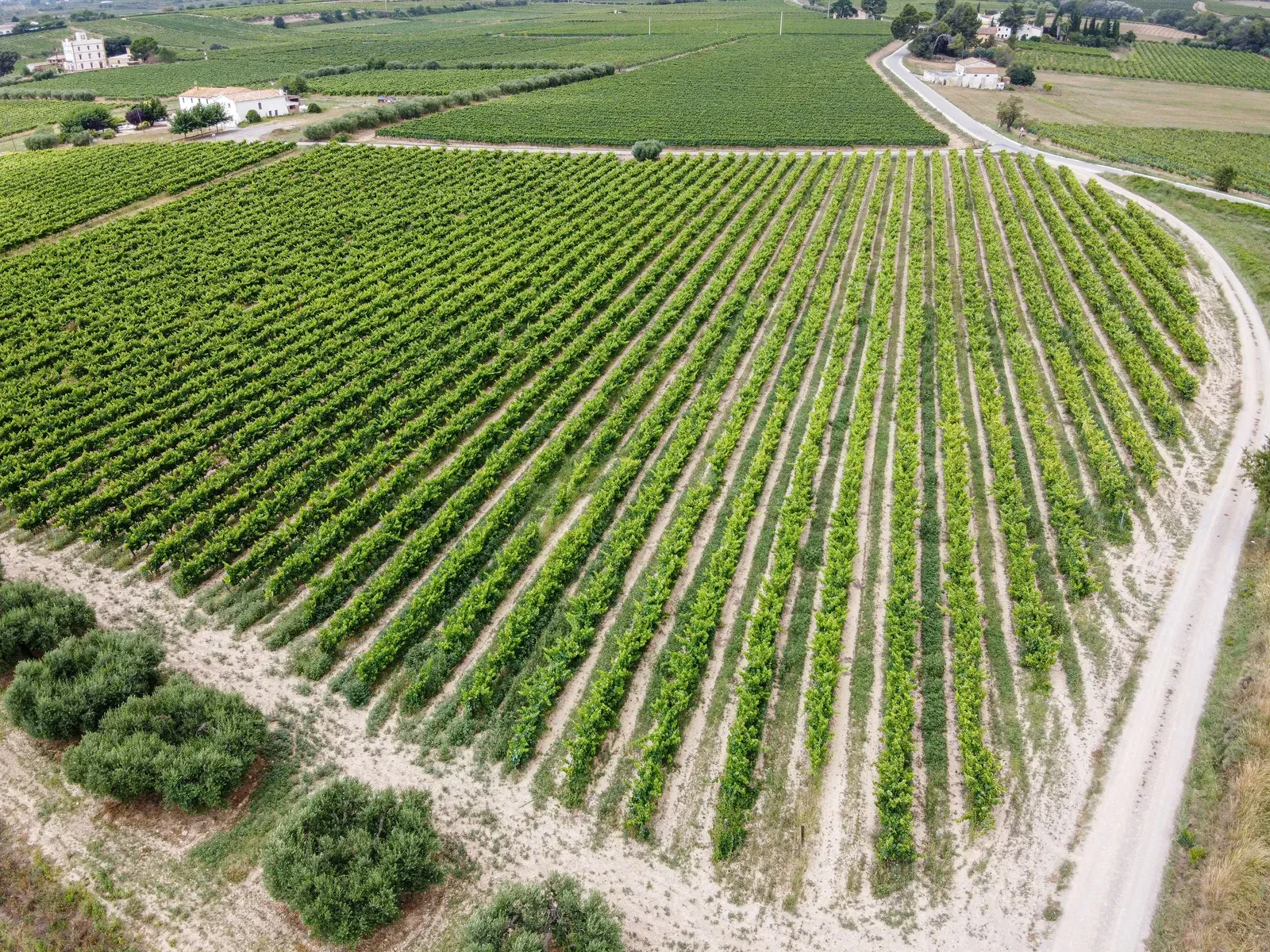
Curiously, the same hardware banned in the US is becoming the de facto standard of Europe's return to aerial spraying. The irony writes itself.
The DJI/XAG duopoly and why nobody can catch them
Looking at the global installed fleet:
- DJI Agras (T25, T50, T70P lines): estimated 320,000 units in the field by end of 2025.
- XAG (P100 Pro, V50): around 180,000 units, strong in Asia and now Europe.
- Everyone else (Hylio, Rantizo, Guardian Agriculture, ABZ Innovation, EAVision): under 40,000 combined.
The gap isn't just about price. It's the full stack — integrated RTK, field-by-field mission planning through native apps, solid-input dispersion using the same chassis, regional after-sales support. Guardian Agriculture, based in Massachusetts, has beautiful hardware (the SC1 is fully electric and hauls 90 kg), but takes 8 months to deliver. DJI ships in 3 weeks through a dealer.
My read: without explicit industrial policy — subsidies, IRA-style tax credits, guaranteed government procurement — no Western manufacturer closes that gap before 2028. It's a problem of scale engineering, not invention.
And where does Brazil sit in all this?
Brazil has become, almost by default, one of the largest net markets for DJI Agras outside China. ANAC (the Brazilian civil aviation authority) regulates operations through RBAC-E 94, and spraying certification runs through MAPA (Ordinance 62/2023, updated in 2025). AsBraap estimates 15,000 spray drones operating in the country in January 2026, projected to reach 22,000 by December.
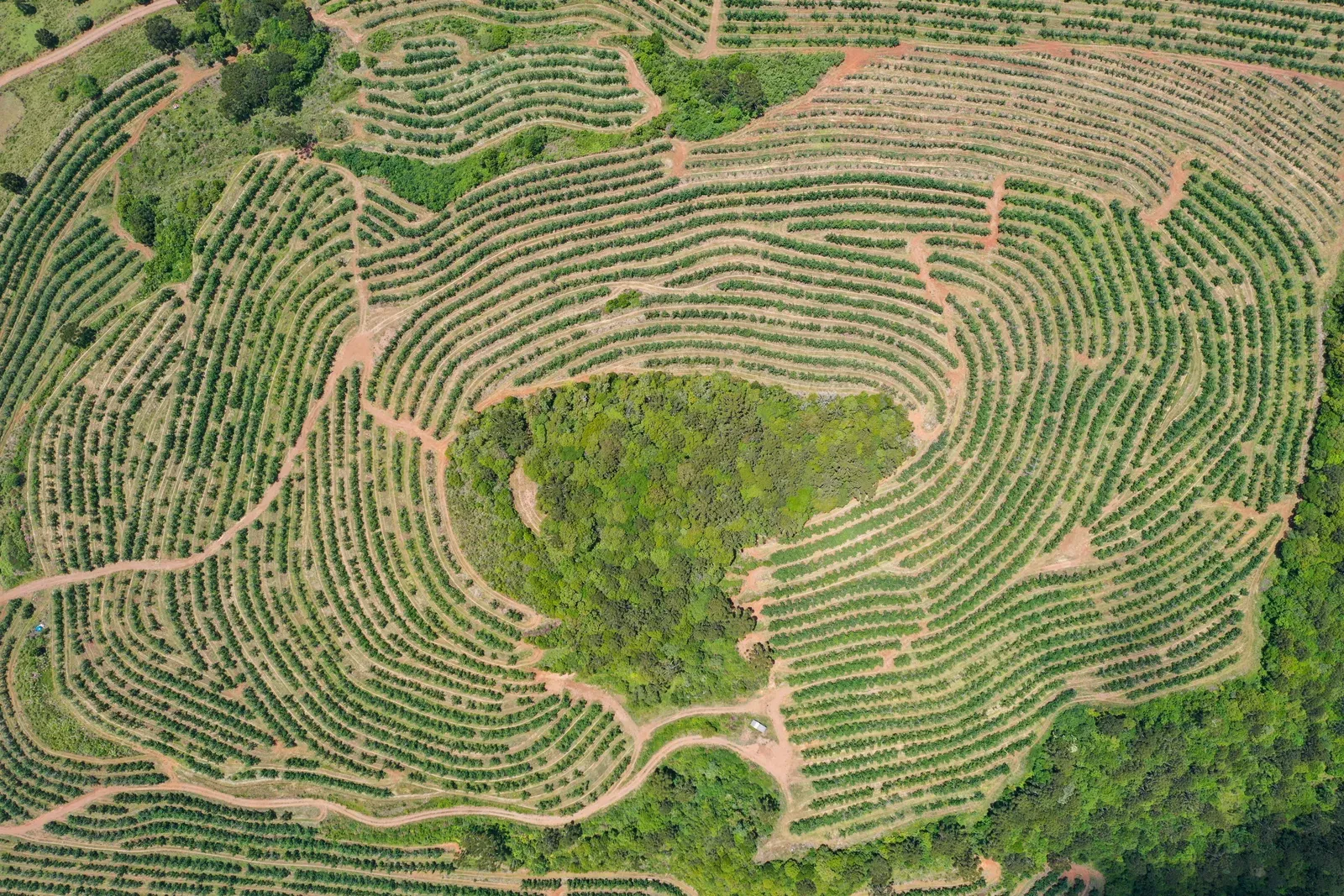
What's worrying is the dependency on a single supplier. If any diplomatic friction interrupts the flow — unlikely scenario, but not zero — Brazilian agribusiness loses the tool that today sprays sugarcane, soybeans, and coffee in areas self-propelled sprayers can't reach. There's no domestic plan B at that scale. Skydrones and XMobots build excellent mapping drones, but they don't play in the heavy-spraying category.
The next phase of expansion for ag drones will depend less on demonstrating in-field efficiency and more on diversifying the supplier chain, regulatory predictability, and local technical support capacity.
Final thoughts
Here's the 2026 board: Europe opens, the US closes, Asia dominates, and Brazil rides the wave — for now. Three things to watch over the next 12 months:
- The US Congress response to a possible agricultural carve-out from the FCC ban — the American Farm Bureau is lobbying hard on this.
- How fast SORA 2.5 gets harmonized across Germany, France, and the Netherlands, where environmental resistance to aerial spraying still runs deep.
- The expected launch of the DJI Agras T100, with a 75L tank and native coordinated swarm capability, slated for the second half of 2026.
For the operator making a purchase decision right now: if you're in the US, lock in parts inventory for your current fleet and negotiate contracts with Hylio or Guardian knowing lead times are long. In Europe, it's time to move — regulatory windows rarely stay this open. In Brazil, take advantage, but diversify suppliers even if it costs a bit more. Concentrating risk on a single Chinese manufacturer is a bet we've watched go wrong in other sectors. Worth remembering.