FAA Part 108: What the BVLOS NPRM Means for Drone Operators Outside the US
A technical read on the FAA's Part 108 NPRM through the lens of Latin American and European operators — and what it signals for ANAC, EASA, and any regulator still treating BVLOS as a case-by-case waiver.
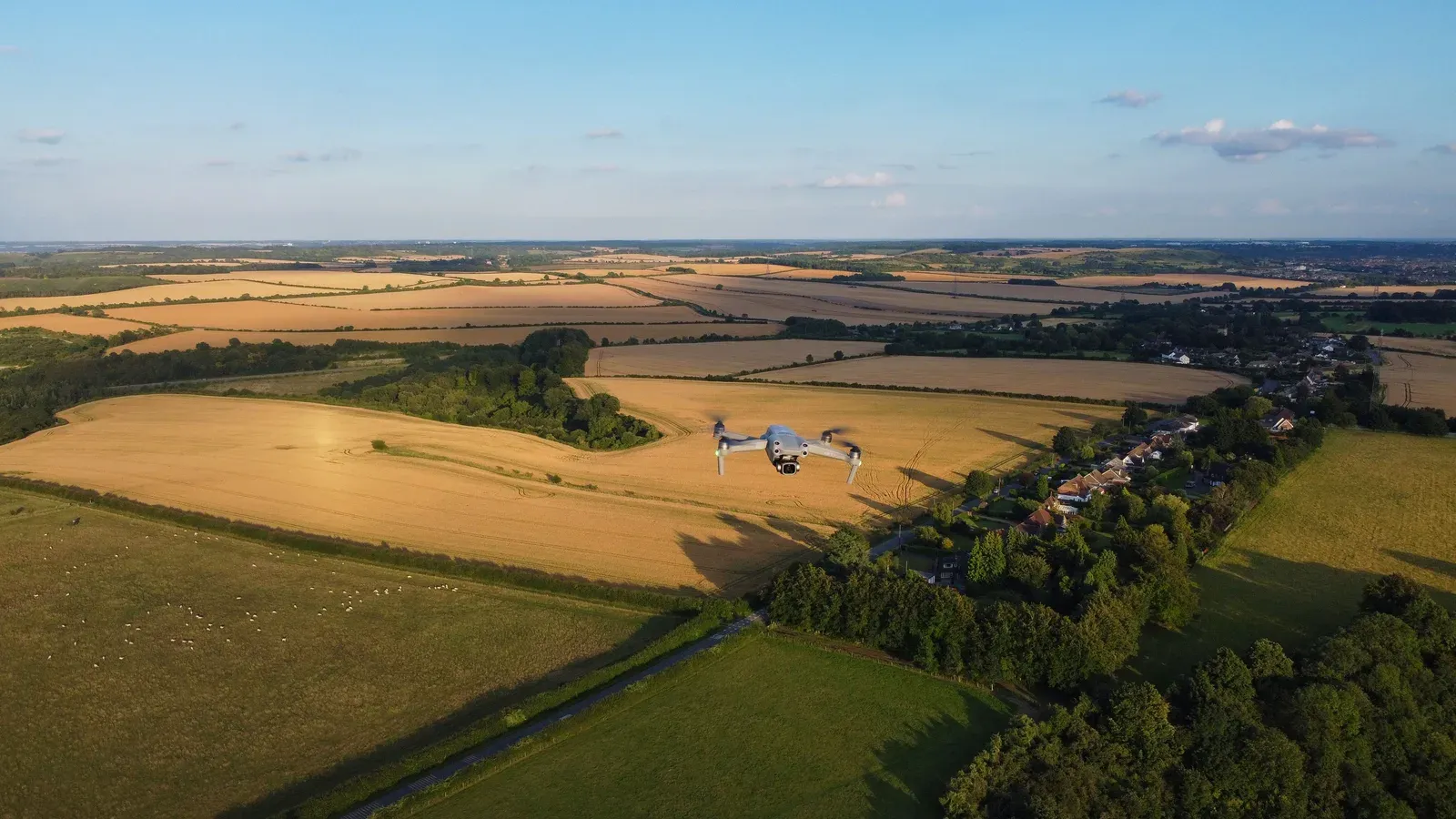
August 2025. The FAA released the Notice of Proposed Rulemaking for Part 108 — the framework that finally moves BVLOS out of the case-by-case waiver regime and into a structured rule. For US operators, it's the shift that's been coming since the 2022 ARC report. For operators in Latin America and Europe, the question is different: what does FAA Part 108 BVLOS signal for ANAC, EASA, and every regulator still treating beyond-visual-line-of-sight flight as an authorized exception?
The short answer: it moves the global technical benchmark. The longer answer requires reading the NPRM, understanding what it actually demands, and comparing its risk logic against Europe's SORA and Brazil's regulatory evolution that culminated in RBAC 100. That's what I do below.
Part 108 BVLOS in 50 words
Part 108 is the FAA's proposal to create a permanent certification for Beyond Visual Line of Sight operations with drones under 1,320 lb (599 kg). It replaces the current waiver-based Part 107 model with two primary operator pathways — an operating permit and an operating certificate, with specific operating authorizations and limitations within the framework.— with tiered requirements for detect-and-avoid, pilot training, and manufacturer accountability.
What the NPRM actually proposes (and what the press oversimplified)
The document runs 400 pages. I won't pretend I read every line, but the structural pieces are clear. The FAA proposes three operator tiers:

- Part 108 Permit — low-risk operations (agriculture, linear inspection in rural areas), with a lower barrier to entry and tighter operational limits.
- Part 108 Certificate — complex operations, including suburban environments and flight over non-participants, with mandatory SMS and airworthiness certification of the aircraft.
- Operating Authorization — a middle path for operators with a documented track record, negotiated case by case but within the framework.
The point that gets less airtime: Part 108 shifts regulatory responsibility onto the manufacturer. The drone has to be "produced under Part 108," with a declaration of conformity and native ADS-B/Remote ID. Skydio, Zipline, Wing, and Matternet have been ready for this since 2023. DJI and most Chinese manufacturers, frankly, are not. That's where half the controversy lives.
Why this matters to operators in Brazil
ANAC (Brazil's civil aviation authority) currently handles BVLOS under IS 21/2023 and RBAC-E 94, with case-specific authorizations issued through SARPAS. In practice, every BVLOS operation in Brazil still gets individual review — Raízen secured authorization for sugarcane monitoring in Piracicaba in 2024, but the process took months. It's the same waiver model the FAA is now retiring.
Historically, ANAC follows the FAA with a 3-to-5-year lag. RBAC-E 94 (2017) mirrored Part 107 (2016). If the pattern holds, expect a dedicated BVLOS RBAC-E between 2028 and 2030. Fair warning: that timeline is my read, not a promise.
In the meantime, three things are already shifting for operators in Brazil:
- DAA (detect-and-avoid) vendors — Iris Automation, uAvionix — will calibrate their products to Part 108 thresholds. Anyone buying in 2026 gets hardware designed to the US standard.
- Compliance costs drop. A DAA system running $40k today is projected to become an $8-12k commodity by 2027, per Drone Industry Insights.
- Operators already running BVLOS via SARPAS will be able to use Part 108 technical documentation as mitigation evidence in SORA filings and ANAC petitions. It helps. It doesn't solve everything.
The contrast with EASA and SORA 2.5
Europe went a different way. SORA (Specific Operations Risk Assessment), in the 2.5 version published in 2024, is risk-based — the operator demonstrates the operation sits below a ground and air risk threshold, then proposes mitigations. No rigid tiers. A matrix instead.
Part 108 is more prescriptive. It spells out which technologies, which training, which pilot hours. SORA says "prove it's safe." Each approach has trade-offs. The prescriptive one scales fast — 500 certified operators in 18 months is realistic. The risk-based one accommodates novel operations better (Percepto's drone-in-a-box, Manna's urban delivery) but bottlenecks on technical review.
The uncomfortable truth: EASA will look at Part 108 and import pieces of it. It's happened before with Remote ID (the EU moved first, then adjusted after ASTM F3411 won in the US). The cycle repeats.
Detect-and-avoid: where the bar actually rises
The hardest technical piece of the NPRM is DAA. Part 108 requires the ability to detect and avoid both cooperative (ADS-B) and non-cooperative traffic — aircraft without transponders, including ultralights and gliders. It's expensive. It's heavy. And it's the real bottleneck for BVLOS at scale.
Ground-based solutions — like Iris Automation's Casia G, which builds a surveillance "bubble" around a corridor — will likely become standard for linear operations (pipelines, transmission lines, railways). Petrobras tested a setup like this in 2024 on the GASBOL segment, with results executives informally called "promising but expensive."

For point operations — tower inspection, farm mapping — the requirement is still fuzzy. The NPRM's public comment window runs through the end of 2025. It's worth participating. Regulators do read international comments, even when they pretend otherwise.
A side effect: manufacturer fragmentation
If DJI doesn't certify products under Part 108 — and there are political signals it won't, given the Countering CCP Drones Act — the US BVLOS market ends up split between Skydio, Freefly, Wingcopter, Zipline, and Wing. That pushes prices up.
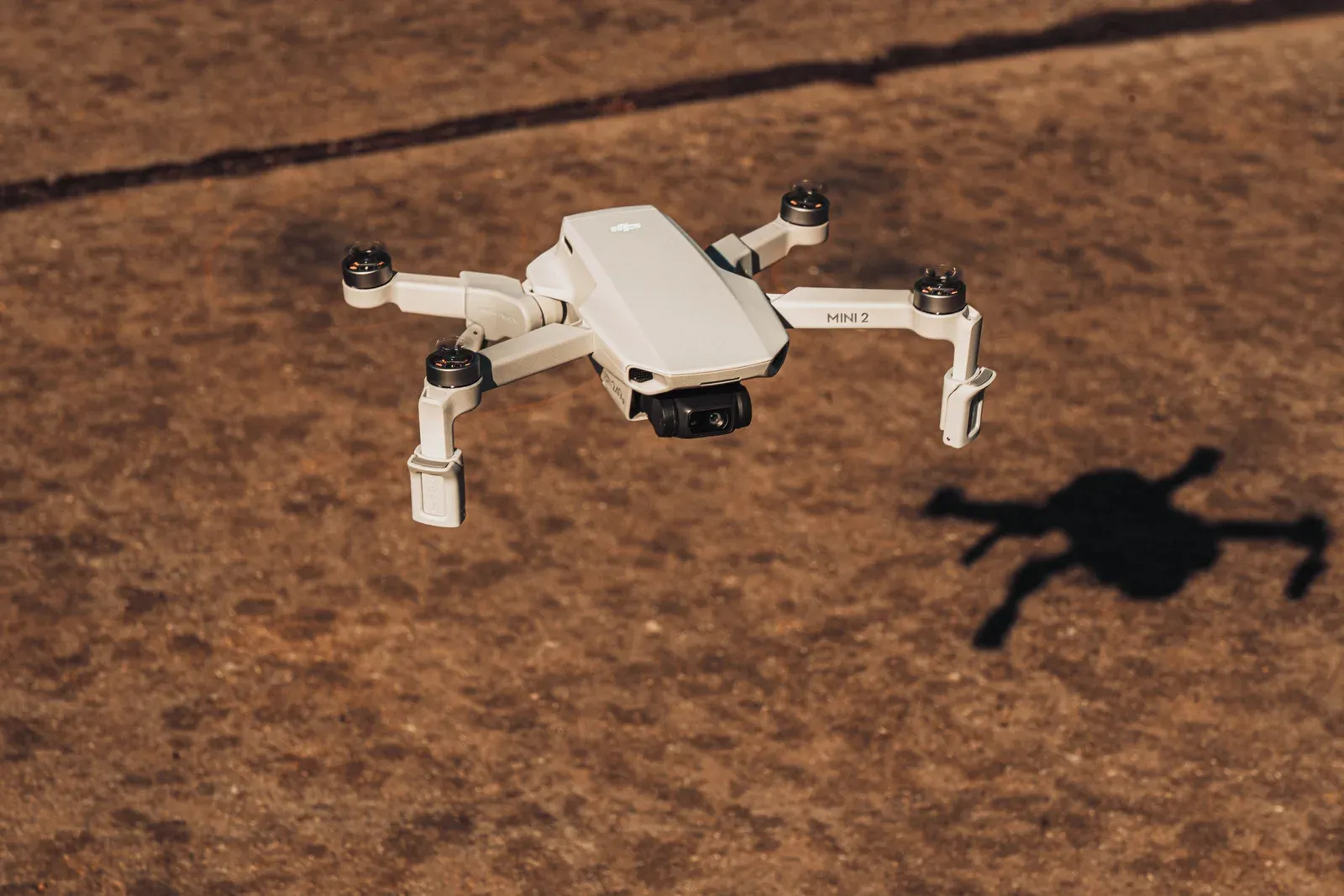
Brazilian operators land in the middle. They keep competitive access to DJI hardware (Mavic 3 Enterprise, Matrice 350 RTK), but without the Part 108 "seal" if they ever want to export services or serve a multinational client that requires FAA-airworthy equipment. A quiet fork in the road.
Final take
Part 108 doesn't become law in 2025, and probably not in 2026 either — the FAA's NPRM-to-final-rule cycle typically runs 18-30 months. But the text is already the new floor for global technical conversation on BVLOS. Anyone operating in Brazil, Mexico, or Argentina should treat this NPRM as required reading, not foreign news.
- Track the FAA public docket (FAA-2024-XXXX) and file comments if your operation is affected. Non-US operators can submit.
- When you buy new hardware in 2025-2026, ask the manufacturer about their Part 108 compliance roadmap. If they can't answer, that's a signal.
- Document your current BVLOS operations in SORA risk-assessment format. That's the format ANAC and EASA will ask for, and it bridges naturally to Part 108 compliance later.
Don't wait for ANAC. Whoever builds SMS, DAA, and pilot training now sets the price when the rule finally lands.