Zipline's $600M Round and the New Geometry of Drone Delivery: MK30, P2 and Wing Under Pressure
Most analyses compare drone delivery platforms by spec sheet. The angle that matters is economic: unit economics, route density and regulatory dependency separate the operators who scale from the ones who quietly die in pilot phase.

$600 million. That was the check Zipline pulled in during its Series G in early 2025, pushing the company's valuation to roughly $4.2 billion and reopening a debate that the tech press keeps insisting on framing as a spec race. It isn't. The fight in drone delivery today is being decided on unit economics, route density and — probably the most underrated factor — regulatory dependency. Operators who understand that geometry scale. Operators stuck fetishizing payload die in the pilot phase.
The thesis here is simple and mildly unpopular: comparing Zipline's MK30, Wing's P2 and Matternet's platforms by range, speed and payload is brochure analysis. What separates the survivors is how much each delivery costs once you divide CAPEX + OPEX by the number of flights per route per day. That changes everything.
What drone delivery actually means, operationally
Drone delivery is a last-mile (sometimes middle-mile) logistics operation executed by an uncrewed aircraft — typically a fixed-wing eVTOL or a multirotor — flying BVLOS under a specific authorization from the local regulator (FAA Part 135 in the US, ANAC RBAC-E 94 in Brazil, EASA SORA in Europe), with a payload between 1.5 kg and 4 kg and a useful operational radius of 8 to 40 km. In practice, it turns an uncrewed aircraft into an extension of the supply chain, connecting distribution centers, hospitals, retailers and consumers. It's a prosaic definition. And it's exactly that prose most pitch decks skip.
The $600M round and what Zipline is really buying
By the close of 2024, Zipline had logged more than 1.4 million commercial deliveries — a number validated by partners like Novant Health, Walmart and Rwanda's Ministry of Health, a customer since 2016. The company runs two systems in parallel: Platform 1 (fixed wing, parachute drop, the African workhorse) and Platform 2, internally called the MK30, which introduces a small "droid" that lowers on a tether to the exact delivery point.
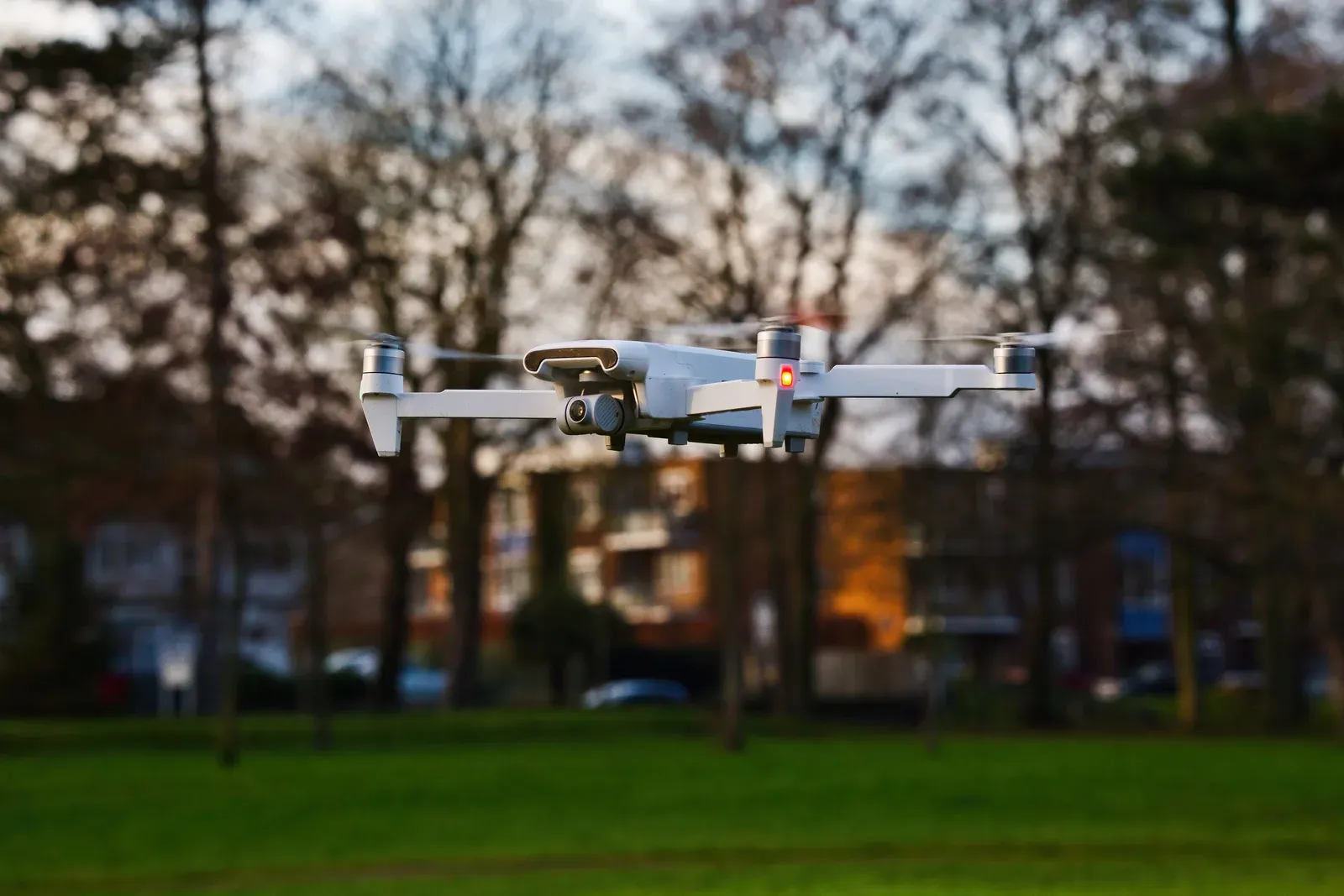
The MK30 changes the urban game. And that is what the $600 million is buying: manufacturing scale, not research. Frankly, the R&D chapter is closed the challenge now is industrialization and locking in recurring commercial contracts. That's the point where drone delivery stops being a tech demo and starts working as logistics infrastructure.
Platform 2 operates with a stated envelope of up to 16 km radius, ~3.6 kg payload, and cruise acoustic noise below typical urban ambient (Zipline has published readings around 45 dBA at 100 meters). That unlocks dense residential use — something Wing is still negotiating block by block in Frisco, Texas.
Wing, Alphabet and the problem of growing inside a big tech
Wing, an Alphabet subsidiary, has solid tech and a real regulatory edge — it was the first to earn Part 135 certification in the US, back in 2019. The current aircraft, unveiled as a scalable platform in 2023, is modular, quiet, elegant. But.
The operation moves slowly. Its Walmart partnership, which started in Dallas-Fort Worth, has grown at measured steps. In practice, Wing is delivering volumes that don't yet pressure the same operational space Zipline occupies in Rwanda, Ghana or Côte d'Ivoire. The drone delivery market, then, is starting to be defined less by the ability to complete a flight and more by the ability to turn thousands of flights into a predictable commercial operation.
And here's the less comfortable read: when you're a business line inside Alphabet, every quarter without meaningful revenue competes internally with ad projects that print billions. The urgency is different. That's not an accusation it's portfolio math. Zipline, focused, burns capital with surgical intent. Wing, by corporate nature, dilutes focus.
Unit economics: the number nobody wants to publish

Public estimates for cost per delivery in current commercial operations range from $8 to $25. The target any serious operator chases is below $3 per delivery the point where you can credibly displace a car-and-courier trip on medical or convenience routes. The gap is huge, and it closes through three levers. Not four, not five. Three.
- Route density: flights per hour per hub. Zipline in Kigali runs above 500 flights/day at its main nest. A typical suburban Wing pilot does a fraction of that.
- Ground automation: loading, battery swap, payload prep without human intervention. This is where Zipline's P2 pushes aggressively with automated docking.
- Amortized CAPEX: airframe lifecycle. Aircraft engineered for 10,000+ cycles spread unit cost in a way that boutique, hand-built airframes simply can't match.
Whoever optimizes all three gets close to $3. Whoever optimizes one or two gets stuck at $12–18 and depends on subsidy, government contract, or corporate marketing budget on the customer side (Walmart paying an "innovation premium") to close the math.
Regulatory dependency: the variable that breaks planning
This is the piece rarely discussed on panel stages. BVLOS regulation is still case-by-case across most of the world. In the US, the FAA signaled in 2024 that Part 108 the specific framework for routine BVLOS would land in 2025. It still hasn't, at least not in full. That means every growth projection for Wing, Zipline USA, Amazon Prime Air and Matternet on American soil hinges on a document that's been delayed for three years.
In Brazil, ANAC (the country's aviation authority) operates via specific authorizations inside RBAC-E 94, and integration with SARPAS/DECEA adds a coordination layer with military air traffic control that let's be honest was not designed with 400 autonomous commercial flights per day over São Paulo in mind. Brazilian UTM is still embryonic.
Rwanda, Ghana, Nigeria and Kenya handed Zipline something mature economies are still debating: real operational sky. It's no accident the company's learning curve happened there. What rarely gets said is that the African regulatory head start built the dataset that now underwrites Zipline's American and Japanese expansion.
The rest of the field: Matternet, Meituan, Manna
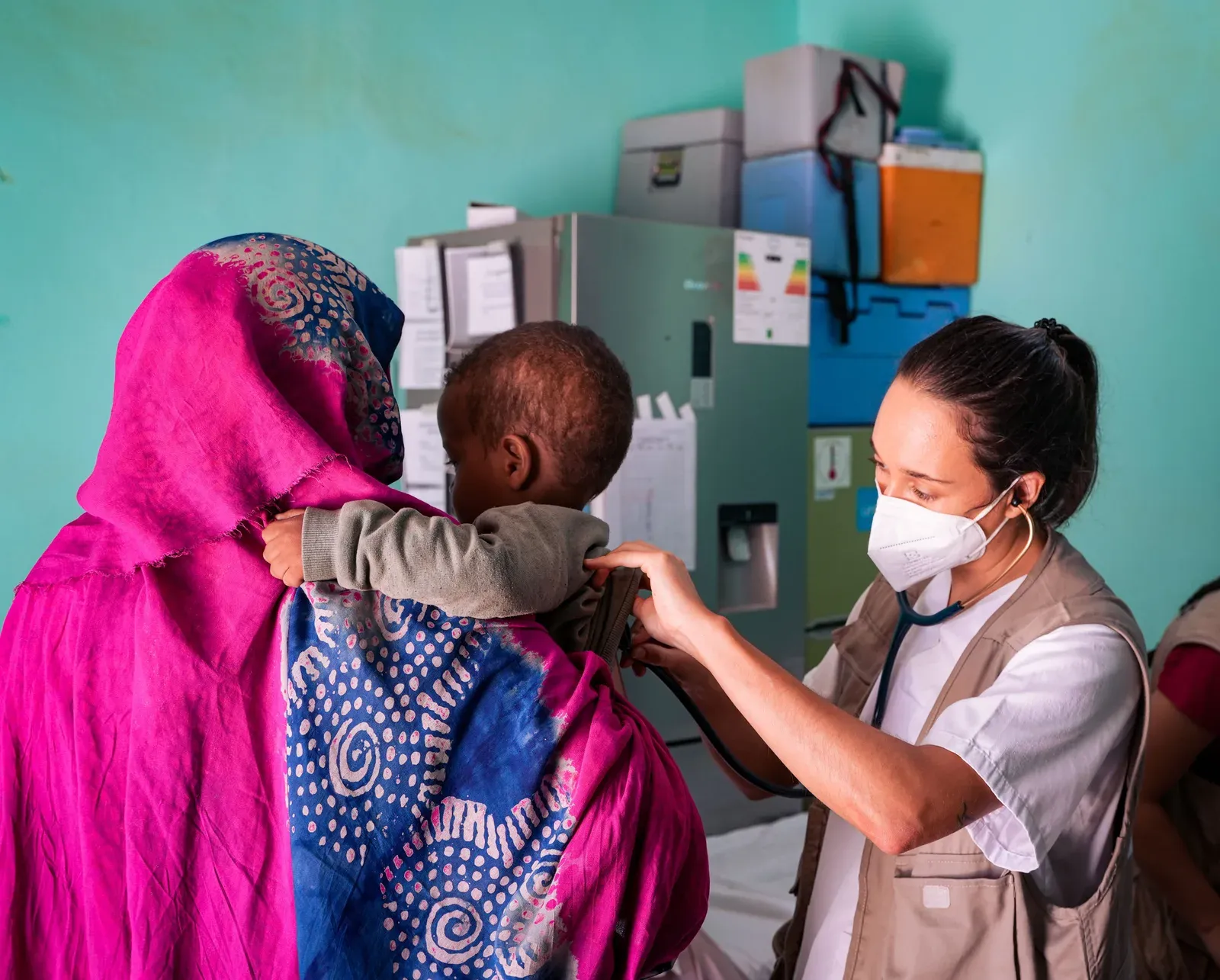
Matternet, quieter about it, found its niche in hospital logistics Cleveland Clinic, UPS Flight Forward, hospitals in Berlin and Zurich. Smaller payload (~2 kg), short routes, high value per delivery. It's the best unit-margin model in the industry today, even if volume stays low.
Meituan, in China, does the opposite: brutal volume in Shenzhen, with over 300,000 drone orders delivered in 2024 per the company's own reports, riding a regulatory environment that approved permanent urban corridors. Ireland's Manna runs food delivery in Dublin and bet everything on dense European suburbia. Each picked a different geometry and none of them is wrong.

What to watch over the next 18 months
- Final publication of FAA Part 108 — unlocks (or doesn't) a 10x jump in US volume.
- Audited cost per delivery: an operator finally publishing a real figure, not an analyst estimate.
- Long-term US healthcare contracts (Novant, Cleveland Clinic, Intermountain) that's where value per delivery pays the bill.
- UTM integration in Brazil by ANAC/DECEA — without it, domestic scale is just talk.
- Amazon Prime Air's response, after losing traction and cutting teams in 2023–2024 while keeping the MK-27 successors on paper as MK30 rivals.
Final take
In my reading, Zipline's $600 million isn't a vote on the technology the tech is proven. It's a vote that Zipline is the only operator with enough learning curve to turn drone delivery into a positive-margin business before patient capital runs out of patience. Wing has time because it has Alphabet. Matternet has margin because it has a niche. The rest need to run.
If you're a fleet manager, a logistics operator or a regulator tracking this space, stop comparing spec sheets. Start asking for cost per delivery, verifiable route density, and BVLOS approval history. That's where the next decade of this industry gets decided and where most of the commercial pilots announced in 2022 will, quietly, die in 2026.